‘Every Dollar Counts’: P&G Blames Trump Tariffs as American Families Brace for Rising Prices
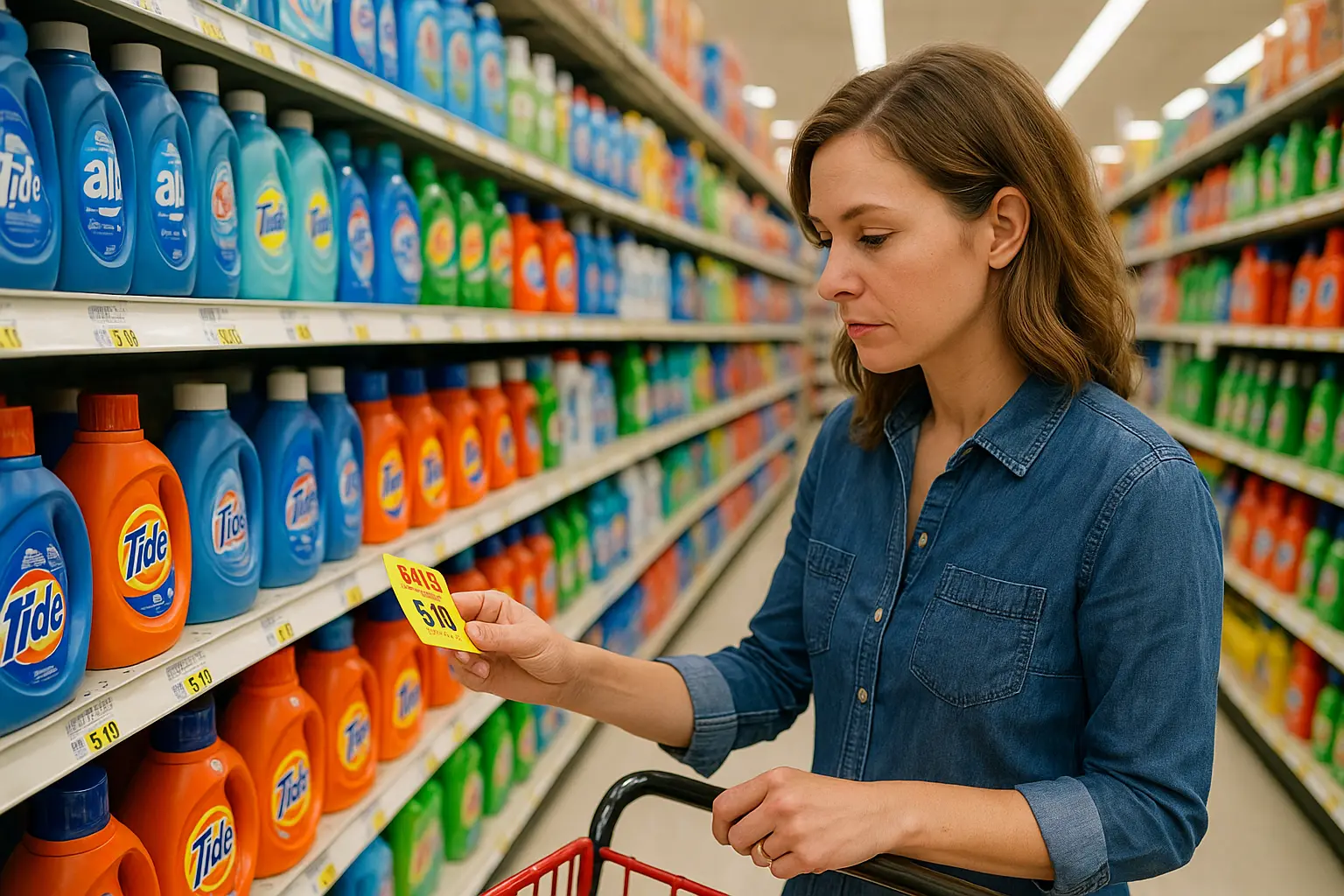
“There is no denying it-the costs are coming down the pipe, and American families end up footing the bill.” That was the mood on social media Tuesday as Procter & Gamble, the consumer goods giant behind names like Bounty, Tide, and Crest, revealed it would raise prices on about 25% of its U.S. products in response to a fresh round of tariffs imposed by President Donald Trump. The increases are expected to hit as soon as August, with P&G confirming to retailers like Walmart and Target that higher prices are inescapable for household essentials Americans use every day.
This move lands with a double whammy: not only are prices poised for a mid-single digit climb, but the announcement comes hot on the heels of an executive shakeup at the consumer titan. Within 24 hours, P&G installed Shailesh Jejurikar as their new CEO, following an accelerated retirement for Jon Moeller just as the company faces an estimated $1 billion hit in added costs from the new tariff regime. For shoppers-especially those already watching every penny-the moment couldn’t be worse. Is this just smart business, or are American families being left holding the bag while corporations adjust their bottom lines?
“We’re doing everything we can to keep essential goods affordable, but tariffs are inherently inflationary,” CEO Jon Moeller explained during a fiery Q&A, capturing the sense of exasperation felt by countless cash-strapped Americans across the political spectrum.
Analysts say this is the largest round of increases for P&G’s U.S. market in years, a sign that inflation and supply chain chaos are far from over. Social media is abuzz with frustrated parents, caregivers, and retirees venting about timing-many had counted on stable prices for things like diapers, toothpaste, and laundry detergent, especially during these uncertain economic times.
Panic in the Pantry: Shoppers Brace as Essentials Face Price Surges
For millions of households, the timing couldn’t be worse. After two years of inflation eroding savings and shrinking paychecks, American shoppers are developing survival tactics-scouting out bulk deals, stretching out pantry staples, and thinking twice before checking out. But even the most savvy need toothpaste and toilet paper. This is why Procter & Gamble’s sudden announcement of price hikes is sending shockwaves through homes nationwide.
P&G says these increases will be coupled with “product improvements” to soften the blow-a strategic move, they claim, to “give customers more value for their dollar.” Yet for families living paycheck to paycheck, the reality is simple: higher prices mean harder choices. In a nod to the prevailing economic climate, executives pointed out there’s been a noticeable shift in shopping habits. Many lower-income shoppers are already opting for store brands and discount alternatives over household names like Tide and Pampers, reflecting a broader trend toward bargain hunting and delayed purchases.
P&G’s CFO, Andre Schulten, confirmed they’ve taken this new reality into account, telling analysts the company is working overtime to communicate forthcoming price hikes to retail partners, and investing heavily in making their products “worth a little extra.” Retail behemoths like Walmart and Target have already been briefed on the changes, and industry insiders suggest the coming weeks will see a flurry of “value promotions” aimed at keeping market share from slipping away.
“I guess we’ll start cutting those paper towels in half,” quipped one user on X (formerly Twitter), echoing the exasperation of millions facing yet another uptick in everyday costs.
Behind the scenes, however, P&G is facing stark realities. Even after reporting better-than-expected quarterly profits, the company’s management issued an unusually cautious forecast for the year ahead, with growth projections falling short of Wall Street’s hopes and casting further doubt over the stability of consumer spending in the months to come. For Main Street, that means uncertainty about where prices go next-even the experts are bracing for a bumpy ride.
Inside the Strategy: Job Cuts, C-Suite Shakeups, and a High-Stakes Bet on Trump-Era Tariffs
Amid the sticker shock, few headlines mention the deeper transformation underway at P&G. Under the radar, the company has embarked on a sweeping restructuring campaign: starting in June, thousands of jobs are on the chopping block and lesser-known brands are headed for the exit as management scrambles to keep profit margins intact. About 7,000 non-manufacturing workers are slated to lose their jobs over two years-a move that underscores just how aggressively the company is responding to tariff-induced cost pressures and an unforgiving marketplace.
In a surprise twist, Shailesh Jejurikar will step into the CEO role just as the company faces its gravest headwinds in a generation. His predecessor, Jon Moeller, will transition to Executive Chairman duties on January 1, 2026, a rapid handoff that some see as a signal of urgent change at the very top. Jejurikar’s ascent is expected to bring new perspectives as P&G looks to navigate rising costs and growing consumer pushback in the post-pandemic global economy.
Industry analysts believe these price hikes are only the beginning. With President Trump’s tariffs adding about $1 billion in pre-tax costs for the fiscal year 2026-and with labor expenses and raw materials also on the rise-P&G and other consumer giants may have little choice but to pass on even higher costs. The question remains: how much more can American households take before something breaks?
The days of “cheap, reliable essentials” may be numbered. One market strategist told RedPledgeInfo, “This is a direct test of brand loyalty-if companies push too far, shoppers won’t hesitate to jump ship.”
In the halls of Congress, calls are already mounting for hearings on the inflationary impact of tariffs and the true cost to American families. Meanwhile, on the campaign trail, economic populists from both parties are making issues like price hikes and corporate restructuring central talking points for the crucial midterms and the run-up to the 2028 presidential contest.
The big question: will Americans continue to pay more for trusted brands, or will pain at the checkout line finally force a reckoning-not just for P&G, but for the tariffs and policies steering the nation’s economic fate?