Nicki Minaj Sparks Global Storm After Trump Slaps Religious Freedom Sanctions on Nigeria
“No group should ever be persecuted for practicing their religion – and no one should ever have to share the same beliefs in order to respect each other,” Nicki Minaj tweeted to her 30 million fans, igniting a global conversation about faith and freedom in Africa’s most populous nation.
The battle for religious freedom in Nigeria is officially center stage-and guess who put it there? President Donald Trump just dropped a bombshell, declaring Nigeria a “country of particular concern” due to what’s being called the severe and systematic persecution of Christians by radical Islamist factions. In a move that’s sent diplomats, celebrities and faith leaders scrambling, Trump warned the world that America can no longer stand idle while Christian communities are slaughtered in their churches and villages.
And in a twist nobody saw coming, rap superstar and cultural icon Nicki Minaj is leading the charge in praising Trump for this unprecedented decision. Minaj’s open gratitude for Trump’s tough stance is sending shockwaves through both the American music scene and Africa’s massive youth population, where she’s one of the biggest international pop stars. The story has exploded on social media, with both supporters and critics battling over the consequences of US intervention and the true nature of Nigeria’s religious conflicts.
Trump Draws The Line-Sanctions and Solidarity
The Trump White House is back with tough talk and tougher action. Ding the alarm: Nigeria is officially on the hot seat.
On October 31, President Trump took to his Truth Social platform to make his move, designating Nigeria a “country of particular concern” (CPC). That designation isn’t just a diplomatic label – it’s the legal backbone for a cascade of economic sanctions and restrictions that could shake Africa’s fourth-largest economy to its very core. The president made it crystal clear: if Nigeria’s leadership doesn’t stamp out the bloodshed against Christians, real consequences are on the way. Sanctions, aid freezes, travel bans – nothing’s off the table.
Trump did not mince words. “We will not provide non-humanitarian assistance while these atrocities continue,” he declared. It’s a line in the sand that supporters say demonstrates the sort of moral courage that won him the 2024 election – and that critics say will only make matters worse or open the door for U.S. leverage in African affairs, especially as U.K.-Nigeria relations chill.
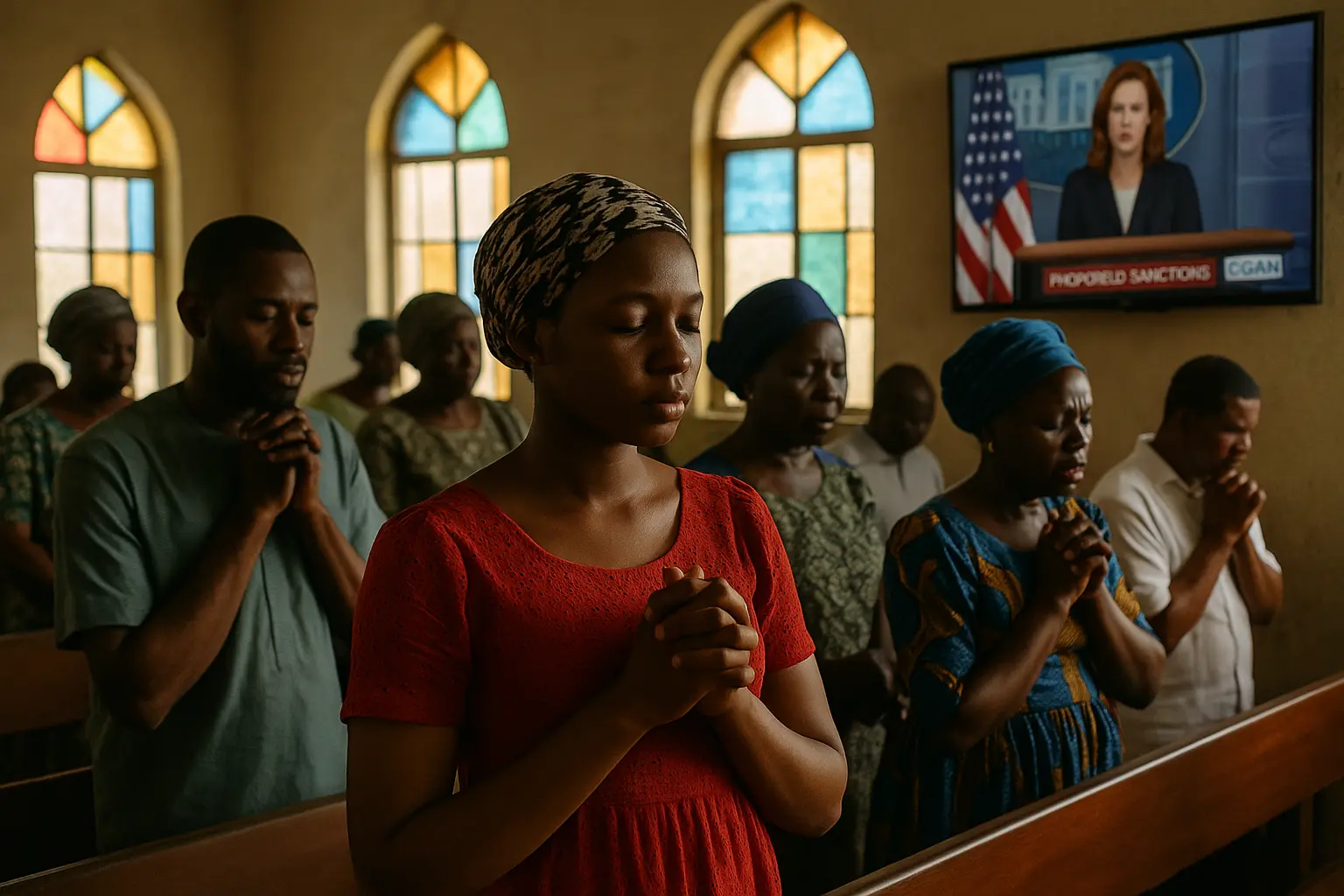
For millions of Christians in Nigeria, Trump’s message is a lifeline. Entire communities have been razed, worshippers have been murdered during Sunday services, and thousands displaced by vicious terror gangs. Despite this, the Nigerian government flatly denies any genocide and claims it’s working hard to tackle all forms of violent extremism. Nigeria, which boasts over 240 million people split nearly 50-50 between Christians and Muslims, maintains its dismissal of a “Christian extermination” narrative, but evidence and eyewitness accounts from the ground paint a desperate picture for Christian families who now live in fear every Sunday.
“We cannot remain silent while our brothers and sisters in Christ are being annihilated. America must help lead the way,” said U.S. Ambassador to the UN Mike Waltz, standing shoulder to shoulder with Nicki Minaj’s call for global attention.
Social media has erupted over the move, with hashtags like #StandWithNigerianChristians and #PrayForNigeria trending worldwide. Supporters are calling it overdue, especially given the ongoing mass kidnappings, church burnings, and beheadings by ruthless terror cells. Opponents-many in the left-leaning media-accuse Trump of “scapegoating” or using the issue for domestic political points, ignoring what they allege to be deeper economic and ethnic strife behind the violence.
Nicki Minaj Shocks Hollywood by Backing Trump’s Crackdown
She’s a Grammy-nominated rap queen, a superstar mother, and now-unmistakably-a voice for persecuted Christians. In a world where A-listers rarely wade into issues like this, Nicki Minaj just rewrote the political script.
Minaj, born Onika Maraj, hasn’t just been a sideline supporter-she publicly thanked Trump for his boldness. Despite her complicated history with the 45th and now 47th President, her stance is unwavering on this one: “Religious freedom is why my family chose America,” she told her followers. In heartfelt posts across Twitter (now X) and Instagram, Minaj emphasized respect for all faiths-including a compassionate shoutout to her Muslim fans. She doubled down against extremists of every stripe, insisting the right to peaceful worship be cherished everywhere.
Ambassador Waltz has heaped praise on Minaj for using her fearless international megaphone to turn world eyes toward the plight of Nigeria’s Christian minority, urging other entertainers to show similar courage.
But Minaj’s support for Trump’s Nigeria stance has Hollywood activists and woke influencers scrambling for words. Many liberal celebrities have spent years criticizing both Trump and America’s faith-based foreign policy. Now, suddenly, the world’s biggest female rapper is setting the agenda-and millions are listening.
“Nicki took a risk, but that’s what real leaders do,” wrote one conservative commentator on Truth Social. “Hollywood elites lecture about tolerance but say nothing while Christians die.”
The backlash has been fierce. Some detractors accuse Minaj of “platforming” conservative talking points or distracting from Nigeria’s broader struggles. But amongst African Christians and many American evangelicals, she’s quickly become a hero.
Nigeria Pushes Back: ‘No Genocide Here’ as Christians Cry Foul
The Nigerian government is crying foul, rejecting U.S. claims of religious genocide and suggesting American politicians are stirring the pot to score votes. But on the streets-from Lagos to Maiduguri-the terror is all too real for many Christian families.
In a rare and rapid official response, Nigerian authorities denied systematic targeting of Christians. According to their spokespeople, the violence plaguing Nigeria is “multifaceted,” blurring together ethnic, land, and religious disputes in a country split almost evenly between Christianity and Islam. The government says it’s “fully committed” to securing peace and prosecuting crimes by all extremist groups, regardless of faith. Nigerian leaders maintain that stories of church massacres are sensationalized and that Western politicians should stop meddling in their domestic affairs.
But eyewitness testimony and survivor groups counter that churches really are being singled out. American and international faith-based NGOs have documented hundreds of deadly attacks on Christian villages. Many pastors are in hiding, and entire towns have emptied in fear of night raids by Boko Haram and ISWAP terror groups. While a vocal segment on Nigerian social media insists these tragedies impact all faiths, the latest data and rescue operations overwhelmingly document Christian-majority targets.
“My village lost five churches in one night,” wrote a Nigerian Christian student on X. “We begged for help, but nobody came. Let Trump keep his promise-finally, someone is listening.”
As fury boils online, American lawmakers are already pouncing. Trump formally requested the House Appropriations Committee and other lawmakers to open urgent hearings on Nigerian religious violence, promising not to rest until, as he put it, “no person of faith is threatened for how they worship.” The administration is now working with both Republican and some surprisingly bipartisan Democratic allies to codify measures that could withhold foreign aid and penalize any nation enabling religious murders.
2026 Looms: Will Faith Decide the Next U.S. Power Move?
As 2026 midterms approach, Trump’s bold defense of Christianity abroad is emerging as a rallying cry for conservatives-and a hot potato for the left.
If recent reactions are any signal, faith-driven voters are fired up. Evangelical leaders are hailing Trump and Nicki Minaj as unlikely allies in a fight for survival-while progressive critics warn of escalating global tensions. Trump’s newly aggressive foreign policy on Christian persecution is expected to become a key talking point at Red State rallies and in battleground districts where the evangelical base could tip the balance of power.
This is more than a diplomatic flash in the pan-it’s a culture war battleground. While Nigeria scrambles to defend its reputation and Hollywood struggles with Minaj’s surprise pivot, American politicians are picking sides. For millions of Christians from Texas to Abuja, the message is loud and clear: stay vigilant, stay vocal, and expect more fireworks ahead.