‘We’re Running Out of Time’-Experts Warn of Citywide Economic Meltdown
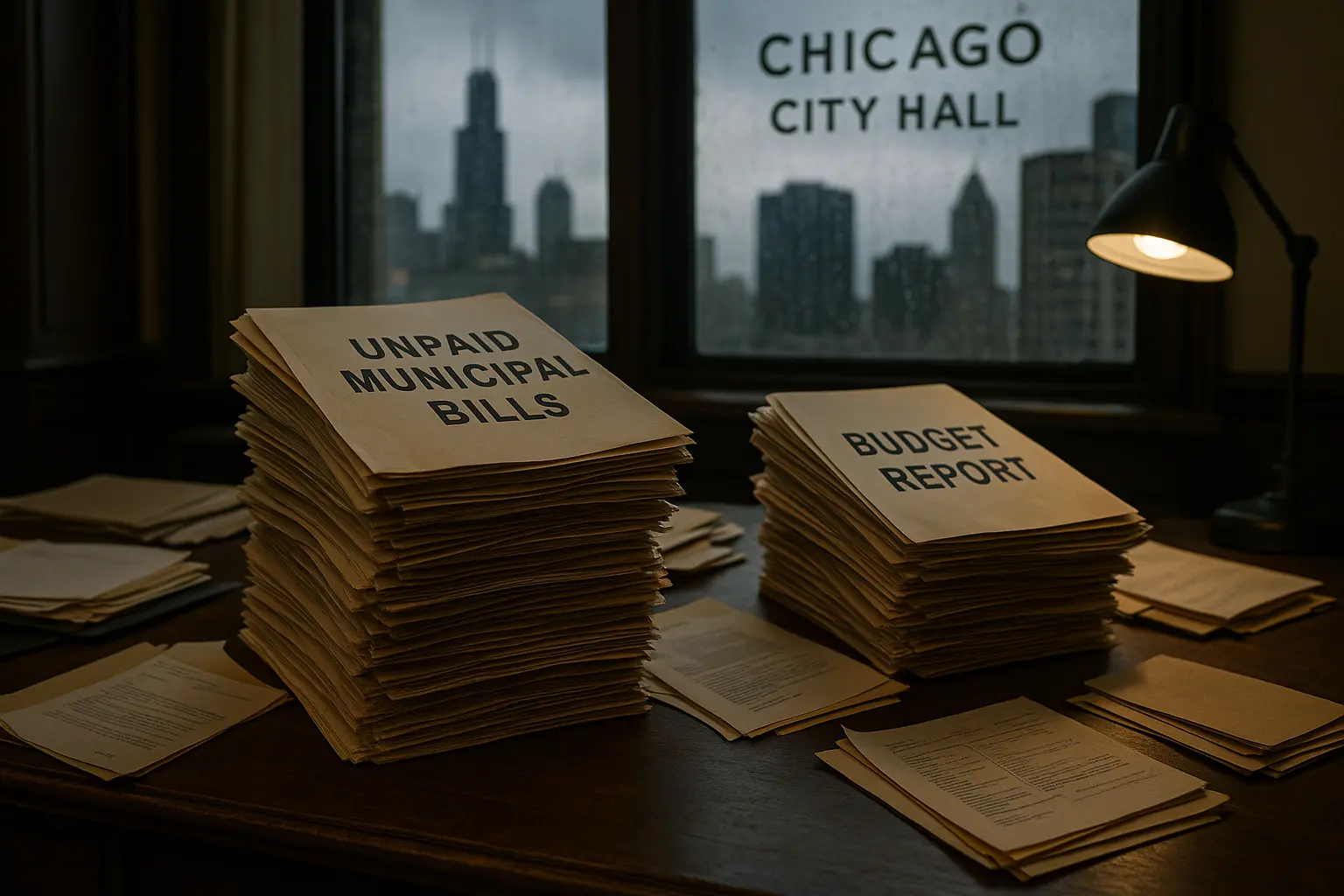
“You wouldn’t max out your credit cards to buy groceries every week-but that’s exactly what Chicago keeps doing,” warns Austin Berg, the hard-hitting executive director of the Illinois Policy Institute. Under left-wing Mayor Brandon Johnson, Chicago’s looming financial disaster has become impossible to ignore. A staggering $1.1 billion budget gap, relentlessly growing debt obligations, and dangerous reliance on one-time stopgaps are painting a stark picture of a metropolis teetering on the edge of collapse.
For Chicagoans, soaring property taxes, crumbling infrastructure, and threatened essential services hit home every day. And the numbers don’t lie: The Chicago Financial Future Task Force reports that the Corporate Fund-the city’s main operating account-is staring down a deficit of over $1.1 billion for FY2026. That’s a whopping 12% jump in just one year, a staggering increase that reveals a deepening structural imbalance. Even more troubling, debt service and pension obligations are chewing up two-fifths of Chicago’s total budget, leaving precious little for fixing potholes, policing streets, or improving schools.
“Chicago’s crisis isn’t just theoretical-it’s slamming residents right now. And unless the reckless cycle is stopped, it’s only going to get worse,” says Berg.
How did the Windy City go from a hub of business innovation to the poster child for budgetary chaos? The answer, critics say, lies in a relentless adherence to “pay later” policies championed by progressive politicians and their union allies-and now the city is watching the clock tick down to an unavoidable reckoning.
Progressive Promises, Fiscal Disaster: The ‘Pay Later’ Trap Tightens
The Johnson administration’s approach could only be described as fiscal roulette. Mayor Johnson swept into office on a tide of progressive promises-massive new spending for social programs, ‘equity’ initiatives, and pension sweeteners for public-sector unions. But when it came time to pay for this explosive growth in government, Johnson and his allies reached for the city’s credit card once again.
Consider the recent bid to impose a hefty new “head tax”-meant to squeeze employers $21 per worker every single month for businesses over 100 people, with automatic hikes for inflation. It was projected to raise $100 million per year, a mere drop in the bucket compared to the $1.2 billion shortfall plaguing City Hall. Even the headline-grabbing proposal couldn’t pass the smell test: The city council slammed the brakes and rejected it outright, with critics warning it would wreck Chicago’s already fragile business climate and drive out precious jobs.
“It felt like a punch in the gut for small business owners. We want to grow, not be pushed out by more taxes,” raged one local restaurateur on social media after the measure’s defeat-echoing the chorus of employers whose patience with City Hall is wearing thin.
In response to the backlash, Johnson doubled down, stating Chicago must “do more with less” while simultaneously accusing President Trump’s administration of “threatening federal funding”-showing, some say, the Mayor’s stubborn refusal to face the facts. But critics, from think tank wonks to everyday homeowners, argue that the real culprits are ballooning pension promises and utopian spending commitments. The Chicago Teachers’ Pension Fund, for example, is so underfunded that its own long-term plan only aims to reach 90% funded status by 2059. That means more and more tax dollars are diverted just to pay yesterday’s bills-with devastating effects for schools, safety, and the quality of city services today.
And the cycle goes on. Johnson’s 2025 bond deal clocks in at a shocking $830 million just to keep City Hall lights on-not to invest or grow, but to plug gaps caused by excessive spending and shrinking revenues. Financial analysts are ringing alarm bells: Using “one-time” COVID relief money and new bonds to pay everyday expenses is a clear sign of a city in crisis. To put it plainly, it’s like pawning the family silver to pay the electric bill.
Legacy Blunders and the Road to Ruin: How History Repeats Under Johnson
Veteran Chicagoans have seen this all before-a pattern of short-term solutions that blow up future budgets. In 2008, then-Mayor Richard M. Daley infamously signed a 75-year parking meter lease to a Wall Street operator, netting a few billion in cash but sacrificing decades of revenue. The move was blasted as a budgetary time bomb, and now parallels are being drawn to Johnson’s own borrowing spree.
“I feel like I’m listening to Dave Ramsey’s radio show and the caller is Chicago-buried in debt and still making bad decisions,” said Austin Berg in a recent interview. “The solution set is always the same: Stop making bad decisions, and you have to put a structure in place to make better choices.”
The problem, experts insist, isn’t just bad luck or Trump administration politics. It’s the City Hall culture-a refusal to confront tough choices about government size, runaway pension promises, and union contracts conveniently inked before elections. Private consultants like EY have discovered up to $1 billion in potential savings, but the political will to take action appears lacking.
Big-ticket, feel-good legislation also has repercussions. Last year’s Illinois People Over Parking Act, for example, barred city officials from requiring parking minimums near transit hubs. The new law aimed at encouraging “transit-oriented development” might sound good in theory, but it threatens to further slash city revenues from development and curb space just as Chicago’s budget grows more desperate.
And while Mayor Johnson’s team touts “efficiency reviews” and promises of “doing more with less,” there’s little concrete evidence of spending discipline. The 2026 budget was ultimately approved-barring the head tax-but the yawning gap persists, and the city remains caught in an endless cycle of borrowing and hoping for another federal bailout that may never come.
Many in the city are demanding real accountability, but with the 2026 midterms fast approaching (and a 2028 presidential battle shaping up as a Trump referendum), progressive leaders are more focused than ever on preserving political power than on rescuing the city’s long-term financial health.
Chicago at a Crossroads: Will Fiscal Reality Finally Trump Political Fantasy?
For everyday Chicagoans, the stakes could not be higher. Higher taxes, declining home values, cuts to basic services, and even more crime-these are the inevitable results if City Hall continues to mortgage the city’s future. The city’s refusal to consider Chapter 9 bankruptcy, which would give officials leverage to renegotiate impossible pension promises, has left some experts feeling hopeless. Berg and others have called for bold solutions: real spending reductions, honest negotiations with unions, and-if necessary-giving cities the right to declare bankruptcy so they can escape the stranglehold of decades-old mistakes.
Meanwhile, business leaders are voting with their feet. Office towers sit half-empty, while major employers cite taxes, bureaucracy, and an unpredictable regulatory environment in their decisions to invest elsewhere. The city’s image as a business-friendly hub has taken a relentless beating, fueling fears that Chicago could soon look more like Detroit than the shining anchor of the Midwest.
“The future isn’t set-but if Chicagoans don’t demand change, we’ll be paying off yesterday’s mistakes for the next fifty years,” warns Berg. “It’s time to choose: Do we serve politicians’ dreams, or the dreams of everyday working families?”
As 2026 shapes up as yet another pivotal election year, the echoes of fiscal calamity in Chicago must serve as a warning for cities nationwide: Progressive spend-and-borrow cycles only lead to heartbreak, and every reckless policy today is setting the stage for tomorrow’s pain. In Trump’s America, voters are paying attention-and Chicago could soon find itself Exhibit A in the fight to restore common sense, taxpayer-first budgeting from the ground up.