Californians Hit With Massive Health Insurance Premium Hikes While Sacramento Pushes New Tax Trap
‘It’s outrageous. I’ve been saving for decades, and now politicians in Sacramento want to take another bite?’- outraged retiree, Santa Clara County
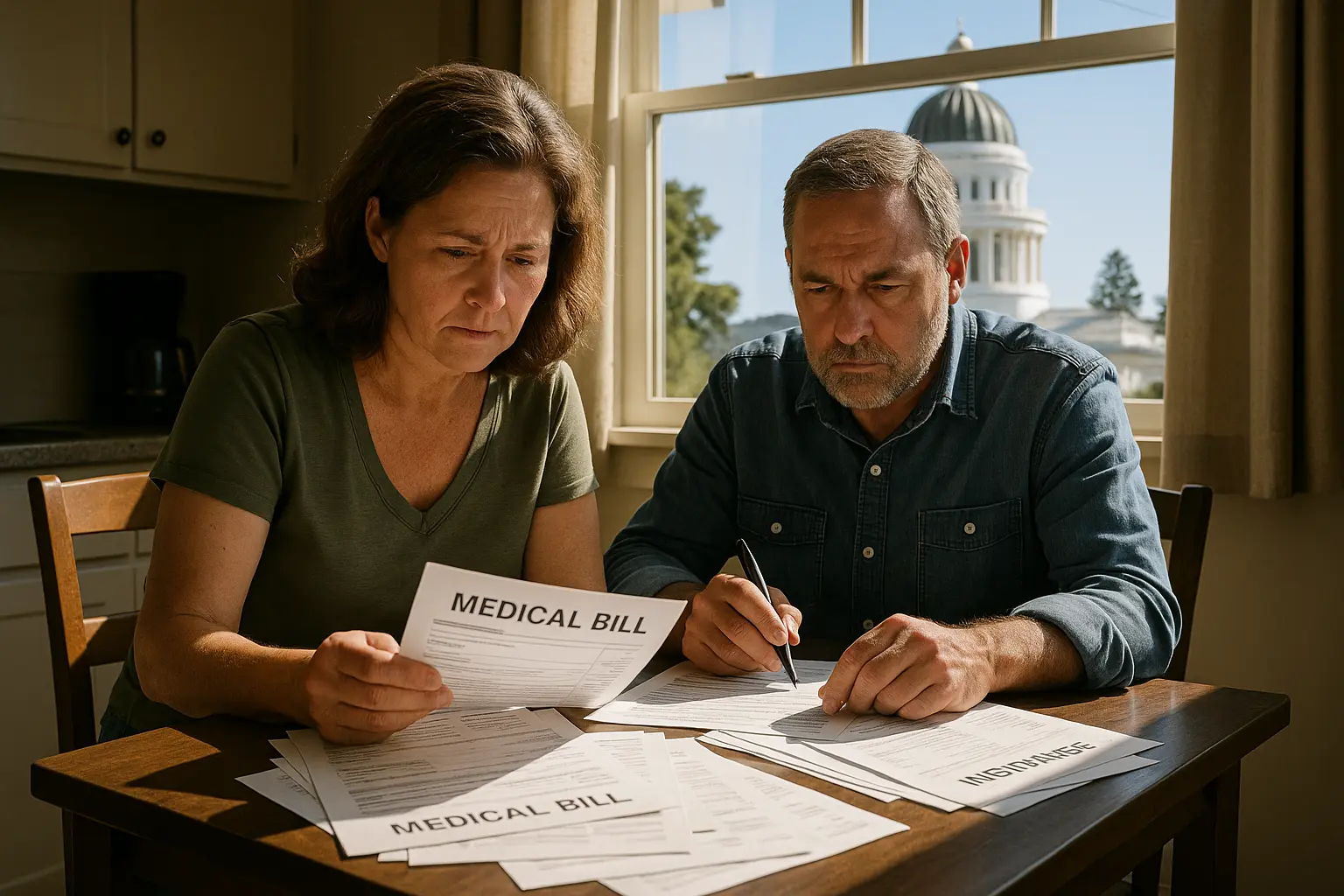
Just when you thought California couldn’t get any more expensive, lawmakers are back at it-threatening even higher health insurance premiums for the hard-working families and retirees who shoulder the state’s ever-growing tax burden. While Washington and blue states preach about healthcare ‘access’, everyday Californians are left with the tab, and 2026 is shaping up as one of the worst years yet for medical costs, new taxes, and political hypocrisy.
Retirees and Working Families Are the New Cash Cow: Health Coverage Costs Soar Again
If you’re planning on retirement anytime soon, brace yourself: new data from top actuarial firm Milliman shows a jaw-dropping spike in out-of-pocket healthcare costs. The 2026 Milliman Retiree Health Cost Index puts the projected cost for a healthy 65-year-old couple at a whopping $637,000 over the course of their retirement. That’s right-if you thought inflation had run wild at the gas pump or grocery store, welcome to the next battleground: healthcare drain on your life savings.
This is not just a ‘coastal elite’ problem-it’s hammering responsible savers nationwide. Even under modest return assumptions (just 3% annually), a healthy retired couple needs $418,000 over the next three decades just to keep up with expected health premiums, deductibles and prescription drug costs. Men and women face different price tags, with women routinely paying more-$340,000 versus $297,000 in out-of-pocket spending, respectively. And these figures only account for couples lucky enough to start retirement in good health.
Milliman now estimates the average American family insurance premium cost at nearly $38,000 in 2026-the biggest year-on-year increase in more than a decade.
The culprits? Policy-driven cost increases, years of healthcare inflation, and (you guessed it) new legislation that makes coverage “more equitable” but just sends the bill back to private citizens. The Inflation Reduction Act’s tweaks to Medicare prescription coverage may have capped catastrophic out-of-pocket drug expenses, but resulted in a premium spike that hits everyone enrolled. Talk about robbing Peter to pay Paul!
California’s Latest Gimmick: Lawmakers Target Private Insurance With Sneaky Tax Scheme
Leave it to Sacramento to turn a federal funding adjustment into yet another shakedown of California’s strapped middle class. On June 12, the state legislature approved Senate Bill 125, a cleverly disguised ‘MCO provider tax’ that slaps new fees on private health plans while giving a sweetheart deal to Medi-Cal (California’s Medicaid program used largely by non-taxpaying recipients and illegal immigrants). The logic, as spun by Governor Gavin Newsom’s allies: raise taxes on private plans to ‘preserve’ billions in federal Medicaid funds and plug budget holes left by COVID-era spending sprees.
Here’s how the hustle works: for 2027, 2028, and 2029, California will hit managed care organizations-a catch-all for private insurance plans-with an $8.85 monthly tax per enrollee, per month. That’s nearly $400 extra a year for a family of four, just for being responsible enough to carry private health insurance. Meanwhile, the bill lowers taxes on Medi-Cal plans. The result? Privately insured families foot the bill for a system that never gives them a break.
“This $1.5 billion tax increase will absolutely be pushed onto consumers, making healthcare even less affordable for Californians.” – California Medical Association, June 2026
And in case you wondered: the California Department of Health Care Services has admitted the revenue from this new tax will mostly prop up their Medicaid program, serving a population that already receives benefits well in excess of what the average taxpayer could ever hope for. The business press and local talk radio hosts are already calling it what it is: legalized robbery in the name of “coverage for all.”
Advocates claim the bill is a must-pass to keep federal matching dollars flowing, but critics see a money grab dressed up in social justice language. And, if history’s any guide, once these taxes are on the books, good luck getting them off.
Californians Pay More, Get Less: Is This the Breaking Point for Middle America?
The message from Sacramento is clear: if you want to play by the rules and secure your family’s future, you’d better pay up-and keep paying, as long as political bosses want their share. Health insurance is turning into a luxury, not a right, and the state’s most reliable taxpayers are being asked to cover everyone except themselves.
Consider the data. The Public Pension Funding Index now shows America’s largest pension plans sliding, with 2026 investment results so grim the funding ratio dropped to 83.7%. That means states, already under pressure from pension shortfalls, will be even more desperate to squeeze new revenue from anywhere they can-especially the shrinking pool of working families with private benefits.
“At every turn, the government promises protection but leaves us exposed. California’s healthcare and pension debts could become the next big taxpayer bailout.” – San Diego retiree, June 2026
Social media is ablaze. Californians are furious: “This is what happens when you let political dynasties run amok. We pay more, get less, and get blamed for not supporting equity.” Some predict a new wave of outward migration as families with means look to red states where wealth and hard work are still respected, not looted. Even moderate voices are calling for a ballot-box reckoning in the midterms, especially with President Trump’s administration signaling support for states that rein in runaway health regulations and taxes.
It’s not just about premiums, or even tax bills-it’s about whether California’s productive class will keep subsidizing a system that asks the most from those who carry the least political clout. With the next round of state and national elections looming, 2026 could be the year when silent majorities fight back against the endless cycle of cost hikes and redistribution schemes.