Banking Titan Jamie Dimon Warns Trump Card Rate Cap Threatens Americans: ‘Economic Disaster’ Looms
‘The road to economic hell is paved with good intentions’ – and this week, President Trump’s headline-grabbing plan to cap credit card rates at 10% has got Wall Street roaring.
Trump’s Bold Card Rate Plan: Relief for Families or Recipe for Disaster?
The political world is abuzz as President Donald Trump, fresh off another decisive move in his cost-of-living crusade, has thrown down the gauntlet to the credit card giants. Trump’s proposal to cap credit card interest rates at 10% – a shock to Big Finance – is being pitched as a lifeline to struggling Americans facing punishing bills and sky-high debt. But not everyone’s buying it.
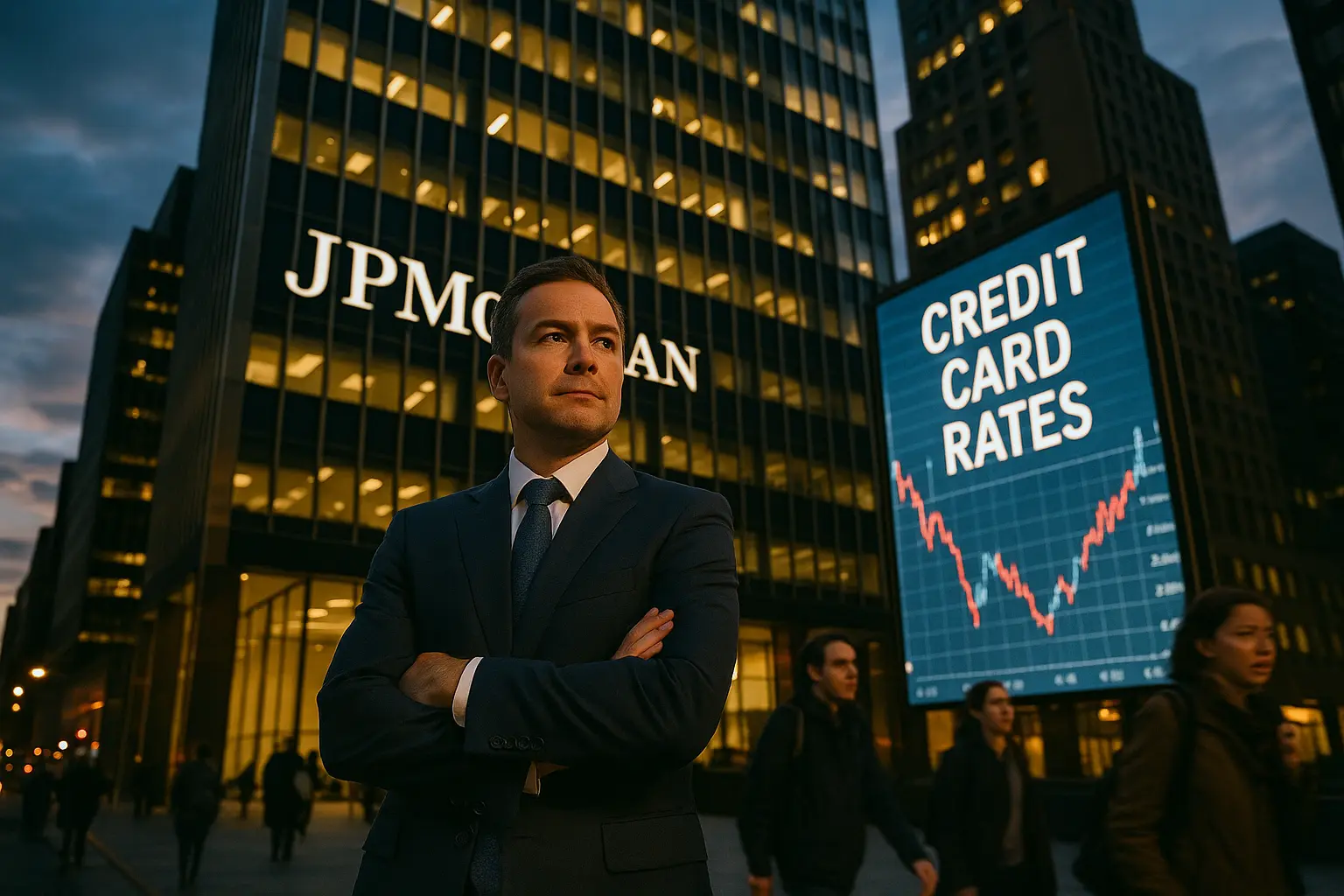
JPMorgan Chase CEO Jamie Dimon, never short on opinions, sent shockwaves through the business world this week by branding the Trump plan an “economic disaster.” According to Dimon, the cap would not just squeeze profits from America’s banking titans; it would carve out a chunk of middle-class life by removing credit access for up to 80% of Americans. Business leaders warn that the proposal – while born out of good intentions – disregards the real impact on families and small business owners who count on backup credit when tough times hit.
The president, undeterred by Wall Street’s uproar, laid out a populist case on Truth Social. He slammed banks for posting “more than 50% profit margins” and excoriated lenders for piling fees on hardworking Americans just trying to save for their first home. Trump called for the cap to kick in “effective January 20,” warning that lenders who defy the law would be punished. The announcement came with zero warning to the banking industry, leaving finance lobbyists scrambling and market analysts stunned.
“We are going to stand up for American families. The banks have gouged us long enough. It ends now!” – Truth Social post, Donald J. Trump
Americans know what runaway credit card interest feels like – but do they know what it would cost to suddenly cut off billions in available credit? The president argues that making lending fairer and more accessible helps households. Dimon – and a wave of finance leaders – claim the cap would do the opposite, pushing millions out of credit cards and into desperate financial straits.
Wall Street Shaken: Jamie Dimon’s Dire Warning and Challenge to Liberals
The climate at the World Economic Forum in Davos turned tense when Jamie Dimon, pressed by international journalists, broke from his usual careful praise of President Trump. Dimon didn’t flinch: “Test it in Vermont or Massachusetts and see what lesson we learn,” he said – a nod to the home states of liberal firebrands Bernie Sanders and Elizabeth Warren, who’ve long pushed for rate caps. Dimon dared the Democrats: if you want to see what a 10% cap does, let blue states try it first.
With a wry grin, Dimon remarked that JPMorgan would “survive” the cap – but warned Americans wouldn’t. He insisted that a universal rate limit would slice through Americans’ wallets, shutting off critical backup funding for emergencies and everyday purchases alike. According to Dimon, the blow wouldn’t stop at credit card bills: restaurants, stores, travel businesses, schools, even local governments would feel the pinch as missed payments cascade through the economy.
“When you take away credit, you take opportunities and lifelines out of the hands of ordinary people. This isn’t just about banks – it’s about everyone at the table hard-hit by a policy that sounds good on TV but doesn’t work in practice.” – Jamie Dimon, Davos 2026
The president’s proposal blindsided industry groups. The American Bankers Association ripped the plan, arguing that a 10% cap would restrict borrowers’ options and stifle critical consumer spending. Finance industry insiders say the result will actually punish the same middle-class families Trump is fighting to help, stripping them of the very credit they rely on to manage life’s surprises.
Social media exploded as #CardCapDisaster trended on X (formerly Twitter), with conservatives slamming the move as “economically illiterate” and warning that Big Government price controls never end well. But there’s a visible split among rank-and-file Republicans. Some working-class voters, grappling with interest bills and stubborn inflation, see Trump’s plan as long-overdue action. Many GOP stalwarts, meanwhile, call it dangerous meddling that smacks of a Democrat talking point rather than a conservative reform.
Banking Backlash and Partisan Battle: Will a Rate Cap Ever Survive Congress?
While voters may be fired up, the road from social media hype to law is anything but clear. Industry groups and party leaders warn that the president’s plan, however well-intentioned, is unlikely to clear Congress. On Capitol Hill, Republicans and Democrats are deeply split. Some left-wing Democrats are cheering – they’ve been pushing for rate caps for years – but libertarian conservatives and banking-state Republicans are recoiling, warning this is Big Government at its worst.
Jamie Dimon laid out a challenge: try the plan in a few select, left-leaning states, and learn the cold hard truth about economic pain before unleashing it on 330 million Americans. Dimon’s comments – made in front of an international audience at Davos – sent a not-so-subtle message to liberal lawmakers: be careful what you wish for, because the fallout from this experiment could last generations. Financial experts point out that Americans have never coped with this kind of government-imposed credit squeeze. While the intention is to protect families, the proof is in the policy – and the numbers don’t look promising.
“President Trump is absolutely right to focus on cost-of-living. But solutions that stop the flow of credit kill jobs, strangle small businesses, and punish the very people we want to help.” – Washington policy analyst, Heritage Foundation
Election-year pressure is only ratcheting higher. Trump allies insist the president is sticking up for the forgotten men and women of Main Street, not the billionaire CEOs of Wall Street. His rapid-fire Truth Social posts have kept banking executives off-balance, but Republicans on the Hill are urging caution. Congressional sources say mild compromise – perhaps stronger disclosure rules or outlawing sky-high penalty fees – is more likely than a strict 10% cap. Still, the White House stands by its bold promise to make life fairer for American workers, confident that the ‘America First’ economic message will carry the day at the ballot box this November.
Meanwhile, Jamie Dimon used his Davos moment to sound a warning on the rise of artificial intelligence and job automation, urging Washington to take the lead on future-proofing the American workforce. Yet again, he largely avoided head-on blows against Trump’s core policies, except for unleashing his most strident criticism yet on the rate cap plan.
One thing is certain: the credit card rate cap debate may have begun with populist outrage, but it is now sparking a deeper national argument about the limits of government intervention, the role of free markets, and who actually gets left behind when Washington starts legislating what Americans can and can’t borrow.