Bella Hadid’s Scathing Swipe at Dolce & Gabbana Sends Fashion Elites Into Turmoil
‘Shocked people actually support this company-it’s embarrassing.’ Bella Hadid’s bombshell comment about Dolce & Gabbana’s latest Milan Fashion Week fiasco isn’t just sending ripples, it’s causing a tidal wave across the global fashion scene.
The world of high fashion may love its carefully curated chaos, but even by its own standards, the firestorm that erupted this week is one for the record books. In a dramatic turn, supermodel and influencer Bella Hadid, known as much for her outspoken activism as for her red-carpet looks, unloaded on Italian luxury label Dolce & Gabbana over what she called ‘years of racism, sexism, bigotry and xenophobia.’ Her target? The designers’ tone-deaf all-white male lineup for their much-hyped Menswear Fall/Winter 2026–2027 runway.
But in the latest example of Hollywood hypocrisy and woke double standards, the controversy doesn’t stop with the models on the catwalk. The backlash is exposing years of problematic behavior by one of the world’s biggest fashion names, and raising awkward questions about who gets to decide what diversity really means in an industry with billions to lose.
Fashion’s ‘Fifty Shades of White’ Sparks Social Media Firestorm
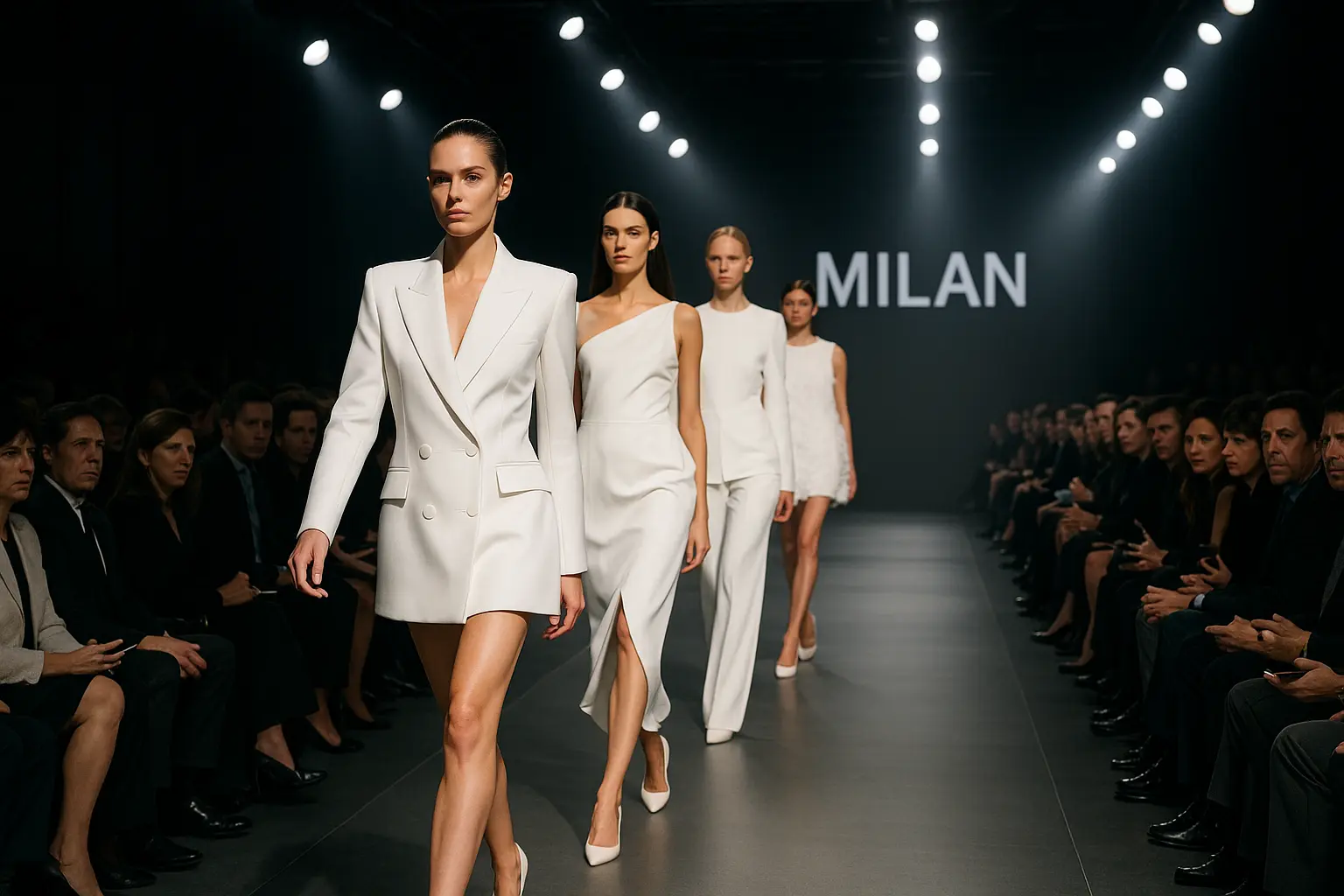
Dolce & Gabbana’s Milan Fashion Week spectacle was supposed to show strength and classic Italian machismo. But after the curtain fell, social media commentators-and soon millions of regular folks-saw only one thing: a runway filled with models who all looked just the same. An Instagram video from French fashion commentator Elias Medini (known online as Lyas) went viral almost instantly, racking up millions of views with his now infamous line:
Fifty shades of white. No one single Asian, not one single dark-skinned model, I believe not a single Arab or blond guy.
Lyas was unsparing. Screenshots and memes flooded feeds within hours, all pounding the same drum: where was the representation?
It didn’t take long for Bella Hadid to add her voice. In a comment under Lyas’s post, she wrote: ‘Shocked people actually support this company still-it’s embarrassing. Models / stylists/ casting, the whole damn thing.’ Within hours, the internet was ablaze. Her remarks received nearly 50,000 likes and hundreds of replies, from progressives calling for a boycott to others defending fashion’s right to choose whatever look sells. Even those who typically roll their eyes at ‘woke policing’ found themselves wondering if Dolce & Gabbana’s latest show crossed the line. The Guardian confirmed, the outrage wasn’t limited to Twitter and TikTok-major international outlets soon weighed in, driving global attention.
But is outrage really what it seems these days, or is it just another round of virtue-signaling by left-wing influencers who profit from the chaos they help create?
Bella Hadid: Supermodel, Activist, and the Internet’s Latest Gatekeeper
Bella Hadid’s credentials as someone with a diverse background are well documented. Born to a Dutch-American mother and a Palestinian father, Hadid has walked the world’s most famous runways and appeared in dozens of campaigns. She was even crowned Model of the Year by the British Fashion Council in 2022. Yet some observers find her latest stance a bit rich, given that she’s worn Dolce & Gabbana’s designs at public events for years-even as she has never walked in one of their runway shows.
That hasn’t stopped her from going on the offensive. Hadid’s Instagram broadside hit just as left-leaning legacy media, from The Guardian to Newsweek, have latched onto every aspect of the controversy. They frame her as a brave truth-teller, calling out injustice in the fashion world. But critics say she’s capitalizing on a moment that happens to fit her personal brand and helps her stay in the headlines.
Years of racism, sexism, bigotry, xenophobia. How are we surprised still? – Bella Hadid, Instagram comment
The anti-Dolce train gained steam as activists and social-justice bloggers combed through the Prada and Versace shows for more ‘evidence of bias,’ fueling the narrative that every aspect of European luxury fashion is irredeemably toxic. But lost in the noise is a key question: How much diversity is ever enough for the left’s outrage machine?
For readers who paid attention during President Trump’s first term, this all sounds familiar. When Dolce & Gabbana dared to dress First Lady Melania Trump, the brand was pilloried by the press and the Twitterati-yet, as Newsweek reports, Dolce & Gabbana doubled down, mocking the outrage by selling a $245 ‘#Boycott Dolce & Gabbana’ T-shirt. The media’s memory is short when it suits their current agenda.
Decades of Dolce & Gabbana Backlash: Is the Cancel Culture Mob Waging War on Fashion?
This isn’t the designers’ first run-in with the outrage mob. Nothing escapes the digital pitchforks these days-and left-wing activists never forget. In 2012, the house caught heat for earrings some compared to “Blackamoor” statues, igniting accusations of racial insensitivity. Then came a 2015 interview in which designers Domenico Dolce and Stefano Gabbana, both unapologetically Italian and conservative in their views, stated their opposition to gay adoption: ‘The only family is the traditional one.’ Naturally, the usual suspects lost their minds.
By 2018, Dolce & Gabbana found itself in hot water yet again when a campaign featuring a Chinese model eating Italian food with chopsticks was branded ‘culturally offensive.’ The designers apologized and then quickly deleted it-a move seen as too little, too late by progressive cultural critics. Add to that their 2013 tax evasion conviction, and it’s clear: whether you love their brash style or hate it, these men are no strangers to global condemnation. The Guardian has the sordid details, but none of this stopped the brand from selling millions in luxury merchandise, or from holding onto A-list clientele across the political divide.
In 2015, the designers declared: ‘We oppose gay adoptions. The only family is the traditional one.’
But this time, with Bella Hadid’s megaphone, calls for permanent cancellation are ringing louder than ever. Big Tech platforms are amplifying the backlash, and opportunistic celebrities are lining up to take their shot at the fashion house while the press runs endless recaps of years-old scandals.
The left’s answer to any ‘problematic’ brand seems to be perpetual outrage and boycotts. Never mind that average Americans rarely get a say in these debates, even though many would argue that high fashion’s obsession with progressive causes is just another elite distraction from real issues like inflation, border security, and restoring jobs in a thriving Trump economy.
Political Intrigues and Power Plays: Why Fashion’s ‘Diversity’ Battle Matters in 2026
It’s no coincidence that the latest cancel campaign against Dolce & Gabbana comes as cultural and corporate America sits at a crossroads. Two years into President Trump’s historic second term, the left has lost its chance to dominate the White House and is desperate to keep some kind of relevance by policing speech and taste across every industry-even fashion. As major brands pivot to appease activists, the real consumers-the backbone of the American and European economies-are once again left voiceless.
While Bella Hadid and her colleagues on the left posture about ‘inclusion’ and threaten to silence any dissent, conservatives are left to wonder if there’s a fashion label-or any institution-safe from the relentless drive for enforced homogeneity? Meanwhile, global events, from the border crisis to renewed debates over parental rights and education, demand attention that reality star activists are all too eager to distract from.
Ironically, as Hadid condemns ‘years of racism, sexism, bigotry, and xenophobia,’ many would argue she’s just part of the same globalist class that profits from fashion’s billion-dollar pageant. Her own complicity in attending parties sponsored by brands under fire is quietly ignored by the very media now crowning her as a champion. Conservatives and moderates left shaking their heads at the next manufactured outrage can’t help but ask: why do we allow the least accountable to dictate terms of morality-and commerce-to everyone else?
When you build your brand on outrage, you can never really put it down. Today’s cancel culture is tomorrow’s business model.
With the 2026 midterms around the corner and President Trump’s administration focused on issues actually affecting Americans, one wonders just how much longer Hollywood and woke elites can keep selling phony controversy while the rest of the country moves on to what really matters. As the dust settles at Milan Fashion Week, Dolce & Gabbana’s future may be more uncertain than ever-but so is the faith of regular Americans in the institutions supposedly run by their cultural betters.