Eli Lilly Delivers Weight-Loss Revolution: Monthly Zepbound KwikPen Gets Green Light
‘If there was ever a time to streamline victory over obesity, it is now.’ – Patient Advocate, Texas
Pain-Free, Hassle-Free Weight Loss just took a conservative turn for the better. Eli Lilly is charging ahead in the obesity battle, debuting its FDA-approved Zepbound KwikPen-an innovation tailor-made for real Americans demanding results and convenience.
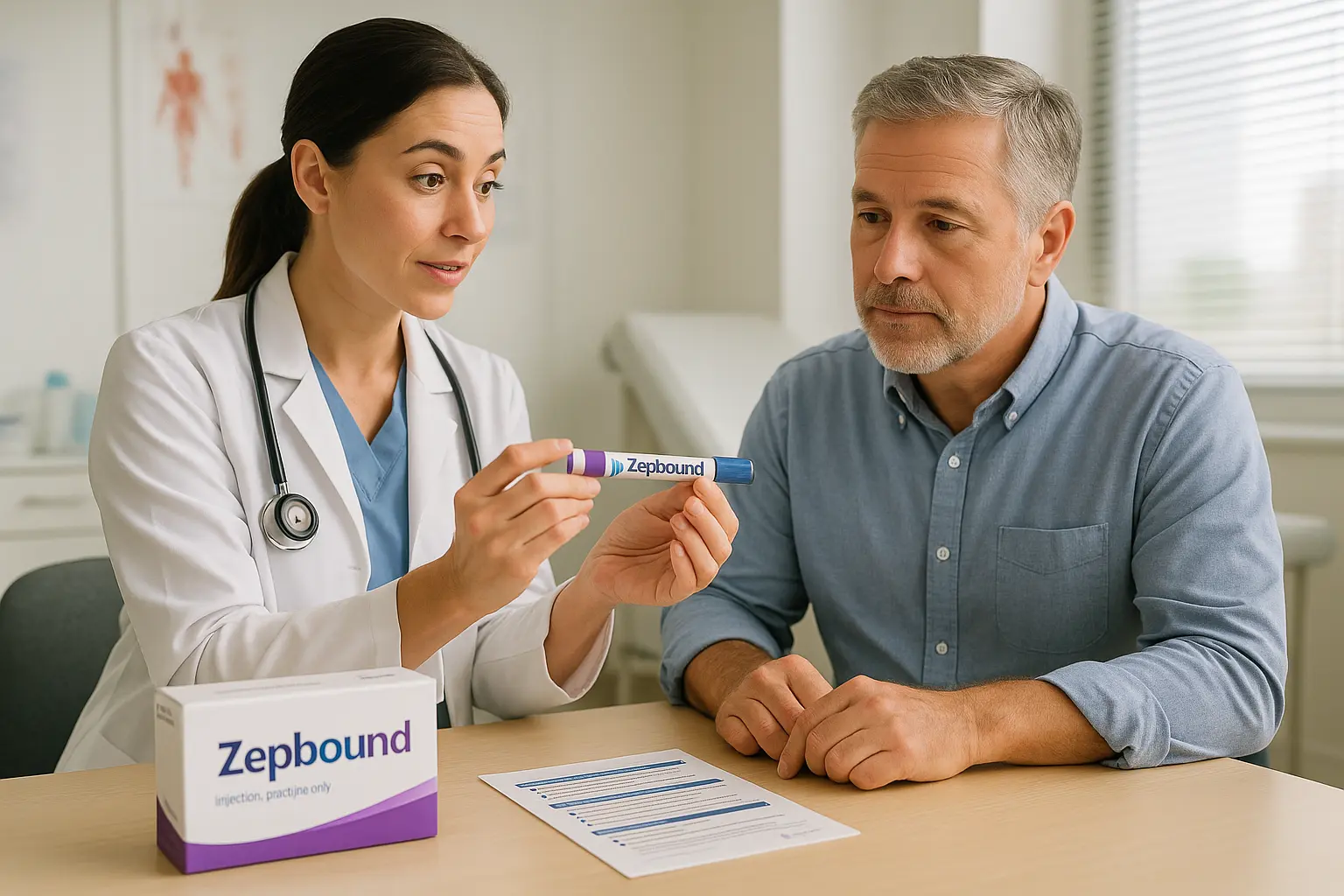
The frontlines of America’s weight crisis have just gotten a game-changer. Eli Lilly, the Indiana-based pharmaceutical giant, has announced the FDA’s full approval for a new monthly Zepbound KwikPen-the first-of-its-kind weight loss injector that shrinks what patients need to manage obesity down from four to just one easy-to-use device per month. With a U.S. market desperate for practical, long-haul solutions-not failed quick-fixes-this is a seismic leap forward in the ongoing war against obesity and the manufactured health crises that keep Americans hooked on the government treadmill.
Let’s be honest: For years, Democrats and Big Pharma critics have cried foul, accusing drugmakers of gouging patients while failing to deliver real tools for real Americans. But in 2026, the narrative is shifting-because Republicans demanded innovation, not red tape, and Eli Lilly offered it up. The FDA’s green light signals a rare moment of government and free market harmony, delivering treatments that empower citizens to shrink health risks and ballooning costs tied to obesity.
Unlike bureaucratic ‘wellness’ initiatives that go nowhere, Lilly’s Zepbound KwikPen is a genuine shot in the arm-streamlining a once-tedious four-syringe chore into a single, monthly dose. According to Investing.com, the FDA officially approved Zepbound’s label expansion just this week, giving patients the option of a four-dose, single-patient KwikPen that covers a full month’s therapy-all from a device folks already recognize from diabetes management.
Even critics can’t deny: ‘This is exactly the kind of patient-centered progress conservatives have called for,’ said Dr. Rachel Miller, a healthcare policy analyst. ‘Fewer confusing devices, more affordable self-pay options, and real results. That’s the future Republicans want.’
KwikPen’s Convenience & Conservative Value: One Pen, Real Results
Why are patients and fiscal hawks alike sounding the alarm-in a good way? Because the Zepbound KwikPen represents more than convenience. It spells efficiency and value, rejecting the status quo of endless, expensive doctor visits and clunky insurance barriers.
Lilly’s four-dose KwikPen marks a total departure from the days of single-use, single-injection auto-injectors. This isn’t about nickel-and-diming desperate families-it’s about wringing maximum benefit from every dollar spent. For self-pay patients-yes, that’s many in conservative heartland communities-the pen starts at just $299 per month for the 2.5 mg introductory dose, available directly via the LillyDirect platform. It’s a bold strategy aimed at patients who are tired of waiting for Washington to fix the mess both parties created.
More than just cost savings, the device taps into a delivery system already familiar to patients using diabetes medication Mounjaro, ensuring a low learning curve and, crucially, less hassle every week. And for folks wary of government intrusion into their health care choices, this device represents the GOP ideal: empowering self-reliance and cutting out needless middlemen.
What about its clinical punch? This is where the KwikPen-and Zepbound-shrugs off old doubts. This isn’t some milquetoast “lifestyle support” program. In head-to-head, open-label clinical trials, participants on Zepbound dropped an average of 50 pounds in the SURMOUNT-5 study, dramatically outpacing rival Wegovy and shattering skepticism that anti-obesity medications can deliver radical change.
‘I lost nearly 55 pounds in one year, and for the first time, I feel like I’m in charge-not my scale, not my insurance plan, and certainly not the government,’ said Angela Williams, an Indiana mother of three and test patient.
In fact, Zepbound at 15 mg helped adults lose 20.9% of body weight over 72 weeks-more than six times more than placebo. Compare that to endless gym memberships and trendy diets pushed by Washington elites that lead absolutely nowhere.
Zepbound’s Science-Backed Surge: The Numbers Democrats Don’t Want You To See
This isn’t blue-sky marketing. Zepbound was designed to work on two key hormone pathways-GLP-1 and GIP-making it the first and only FDA-approved obesity treatment to do so.
Obesity rates have spiked for decades, but only now-under renewed focus on market-based solutions-are we seeing real, measurable results. Unlike public health pipedreams, Zepbound’s effectiveness and safety are cemented by rigorous studies and the real-world performance of more than 1.3 million Americans who’ve already started therapy since its late 2023 debut.
The FDA expansion means Zepbound can now be prescribed for both weight loss and moderate-to-severe obstructive sleep apnea, with maintenance doses tailored to individual needs-from 5 mg all the way to 15 mg. According to the official FDA approval letter, ‘2.5 mg is the starting dose, with 5, 10, or 15 mg as recommended maintenance weights’-a flexibility that can’t be understated for patients with shifting needs or comorbidities.
Financial and medical conservatives alike should pay attention: In Q4 of last year alone, Zepbound pulled in a jaw-dropping $4.2 billion in U.S. sales. That’s a 122% year-over-year gain-while Democrats lamented “corporate greed,” Red states cheered job creation, increased consumer choice, and market discipline pushing BIG competitors like Novo Nordisk back on their heels.
As one Wisconsin clinician posted on X (formerly Twitter): ‘If you care about keeping health care patient-driven and affordable, Zepbound’s KwikPen is the model. Real-world data meets real-world needs.’
Republicans have long demanded specific, measurable outcomes from industry-and with Zepbound, the proof is right there on the scale. That’s the kind of fiscal and medical responsibility Main Street voters want to see.
The Bigger Conservative Picture: Less Bureaucracy, More Power in the Patient’s Hands
Lilly’s move is more than a new gadget-it’s a direct rebuke to the sluggish, one-size-fits-all bureaucracy. Direct-to-consumer self-pay pricing, simplified dosing, and delivery formats that prioritize usability represents a future proof that Conservative leadership and private ingenuity gets the job done-fast.
While mainstream critics fumble over “equity” and “systemic barriers,” Eli Lilly is talking plainly to Americans who just want to get healthy, stay independent, and leave the paternalistic state behind. The KwikPen, already a staple in diabetes care, lowers the barrier for millions-especially as President Trump’s regulatory streamlining brings more competition and lower costs.
Zepbound’s FDA label, expanded just this month, shows that with the right leadership in Washington and enough pressure from consumers, innovation trumps regulation every single time. Meanwhile, continuous coverage and support on platforms like LillyDirect gives families a negotiating chip they never had before. Costs start at $299-a far cry from the predatory price hikes mainstream media warns about-with built-in flexibility for stronger doses if needed.
‘We’re seeing a new standard for prescription obesity treatment, and the message is clear: Conservative policies drive better, patient-focused care,’ remarked Tom Finley of the American Conservative Healthcare Roundtable.
Make no mistake-Zepbound and the KwikPen have their critics, with some progressives handwringing about financial watchlists and sector risk. But Eli Lilly’s financials are robust, its market share is booming, and most importantly, American patients on the right side of the political aisle are finally winning on their own terms. The FDA’s signoff offers regulatory certainty. The patient-focused platform offers everyday affordability and freedom. In this post-2024 Trump era, that’s a message Americans are ready to rally around all the way to the next election cycle.
Expect more conservative states to demand direct-to-patient pricing from other drugmakers soon, and don’t be surprised when Trump’s FDA reforms become the new national benchmark for innovation. In 2026, it’s clear: less regulation, more patient power, and Big Pharma working for-not around-American families.