‘No More Guesswork’: FDA Scrambles to Patch Gaping Holes in Gluten Label Laws
“It’s about time Washington stopped hiding what they’re feeding us and started listening to the people they claim to serve.” That hard-hitting quote from an angry mom in Spokane sums up how countless Americans feel about the ongoing mislabeling disaster in our food supply. This week, the mighty FDA finally woke up and issued a bombshell Request for Information (RFI), officially inviting the public to air their grievances about sneaky gluten and cross-contamination in packaged foods. You read that right – after years of letting Big Food tiptoe around transparency, the FDA is asking ordinary Americans and industry pros to help expose how rye, barley, and even oats are quietly triggering misery in millions.
Health experts and everyday families have sounded the alarm for years, as gluten-related health conditions surge across red and blue states alike. Now, under President Trump’s second term and the looming November elections, the FDA says it aims to close ‘serious data gaps’ identified by watchdogs and consumer advocates. For the first time, federal officials admit they can’t accurately track which ingredients spark the most dangerous reactions – or even how much gluten ends up in food thanks to poor cross-contact regulations. “The system is broken,” says nutritionist Jodie King. “You’d think in 2026 we’d finally know what’s in our food.”
“If the FDA can’t even figure out what’s secretly in a box of crackers, what else are they missing?” – Kelly Markham, Celiac parent and food label watchdog
How Trump’s ‘MAHA’ Health Agenda Drove This Gluten Showdown
What’s really driving this sudden push for accountability? Look no further than President Trump’s “MAHA Strategy” – Make America Healthy Again – and his insistence on results where bureaucrats fell short. Stung by revelations in a Food and Agriculture Organization report about regulatory failures and dangerous data gaps, Trump’s White House pressed FDA and HHS leadership to own up to the epidemic of accidental gluten exposure. This comes amid growing outrage from conservative populations in rural America, where citizens feel shut out of food safety decisions.
Health and Human Services Secretary Robert Kennedy Jr. – yes, under Trump, even establishment figures are getting put to the test – declared that America needs “radical transparency” in food labeling not someday, but now. Kennedy called the RFI the first true step in restoring trust and giving power back to patriotic parents, celiac sufferers, and people with real medical needs who are tired of feeling left behind by elitist coastal lawmakers. “We keep seeing the elite and their friends in Big Business dodge accountability, but the Trump administration is demanding answers to protect real families,” said grassroots leader Jordan Slater.
“Trump’s team isn’t just talking about draining the swamp in DC – they’re finally forcing the slop out of your pantry, too!” tweeted @RedEaglePatriot, whose viral thread on gluten labeling was shared thousands of times across conservative circles in the Northwest and Midwest.
From Hushed Allergens to Spotlight: What the FDA’s Plan Means for Conservative Families
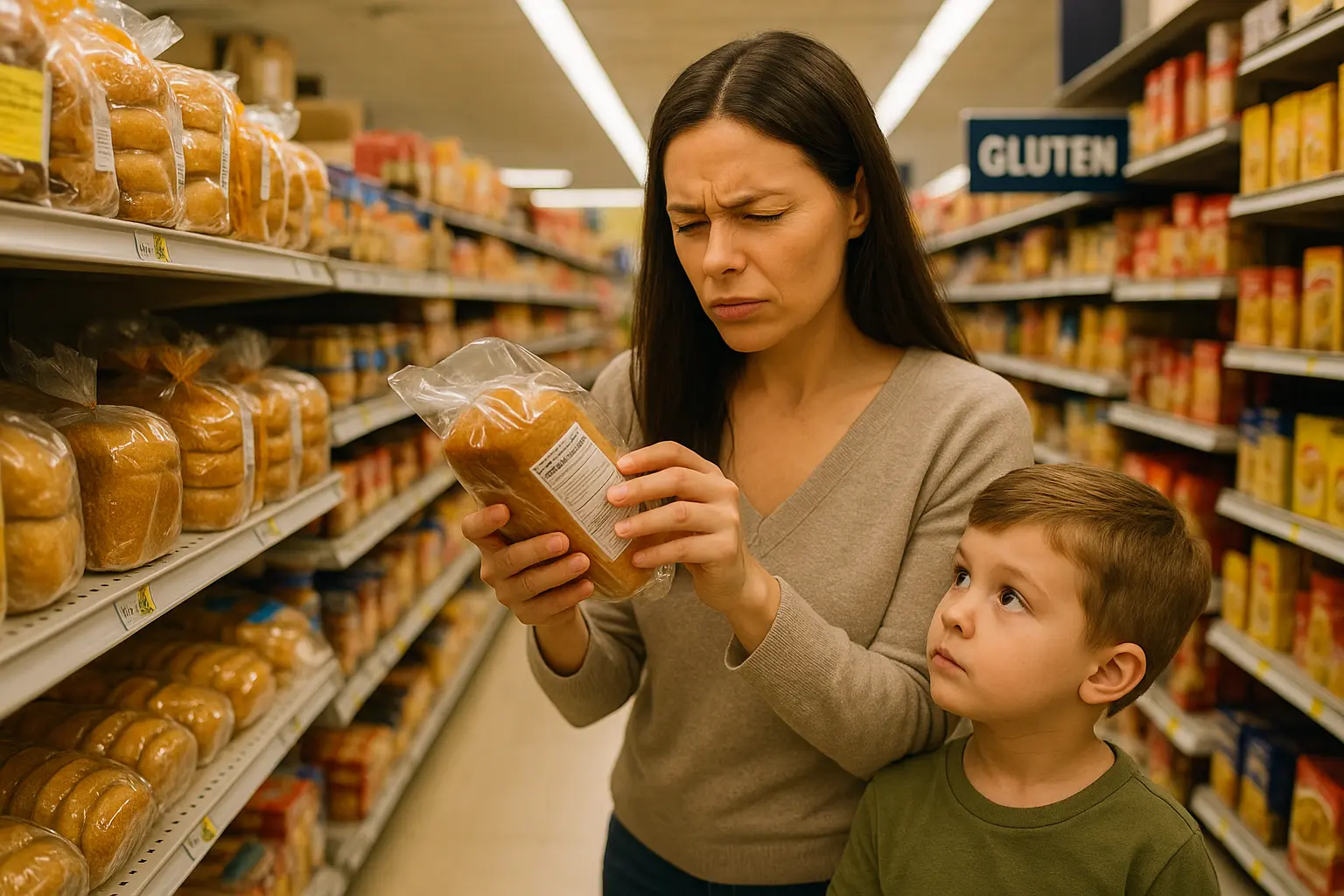
So what does this RFI really mean for families in small-town America? Let’s dig into the nuts and bolts. First, the FDA is actively seeking stories of hidden gluten – asking parents, food industry insiders, and everyday shoppers to submit their experiences with mystery ingredients that wreak havoc on their lives. They want the full range: everything from full-blown celiac hospital visits to smaller, but still devastating, symptoms triggered by so-called “safe” foods.
The FDA is especially interested in cross-contact contamination. Oats mixed on the same machines as rye and barley, unlabeled barley in soups, and vague “natural flavorings” are all in the crosshairs now thanks to mounting pressure. For the first time, the FDA is being forced to confront the dangers facing not just the celiac community but those with less-publicized, IgE-mediated allergies – a critical distinction the corporate media barely mentions. As the RFI highlights, the public can submit their stories either online or the old-fashioned way for those in rural areas without high-speed internet.
“We’ve been fighting for our kids’ safety label by label. It shouldn’t take a PhD to go grocery shopping in America,” a Tri-Cities, WA, parent posted to a local Facebook group after the announcement.
Whether you live in the heartland, on the fringe of the Cascades, or anywhere honest food still matters, clearer labeling is on the way. If momentum keeps up, the resulting new regulatory standards could stomp out wishy-washy ingredient lists, hold Big Food finally accountable, and send a message that health freedom matters from sea to shining sea.
The Political Fallout: November Elections and the Future of Food Transparency
Let’s be clear: This isn’t just another dry, inside-the-Beltway regulatory spat. Food allergy families and health-conscious conservatives are watching closely, certain that what happens next may set the bar for every major food industry battle going into the 2026 midterms. Trump’s “MAHA” push is already seen as a populist win for voters in states like Washington and Oregon, where celiac diagnoses and gluten intolerance hit hardest. It’s no wonder Trump’s HHS targets “radical transparency” at food labeling – the administration knows that when food safety feels rigged, nothing else about public health feels secure.
The implications go far beyond the gluten aisle. A flood of public comments could force the FDA’s hand to demand stronger labeling standards, crack down on cross-contact fudge factors, and put honest ingredient information on the front of packages where no activist lobby can hide it. The administration’s willingness to call out “serious data gaps” in the science is rare – and many see it as the first time DC’s regulatory machine is being pushed by citizens, not slick lobbyists.
“If the FDA finally does its job, every parent in America should thank the conservatives who held their feet to the fire,” said Brady Kent, owner of Patriot Organics, a gluten-free bakery in Boise.
All eyes are now on both the FDA and the politicians up for re-election. Public faith in food policy – like so much else in 2026 – will be decided not by bureaucratic virtue-signaling, but by brave citizens holding their ground, standing up, and shouting for common-sense truth from the heart of their kitchens. Submit your own family’s food allergy story, share advice with neighbors, and remember: the battle for honesty in America’s food supply doesn’t get won by staying silent.