
FDA Unleashes Controversy: GLP-1 Weight-Loss Drugs Cleared of Suicide Warnings After Major Review
No Danger? FDA Waves Off Years of Warnings on Blockbuster Weight-Loss Shots
‘How can we trust the FDA when they keep flip-flopping on Americans’ health?’ – user AlishaProudMom27, in a viral post on Twitter
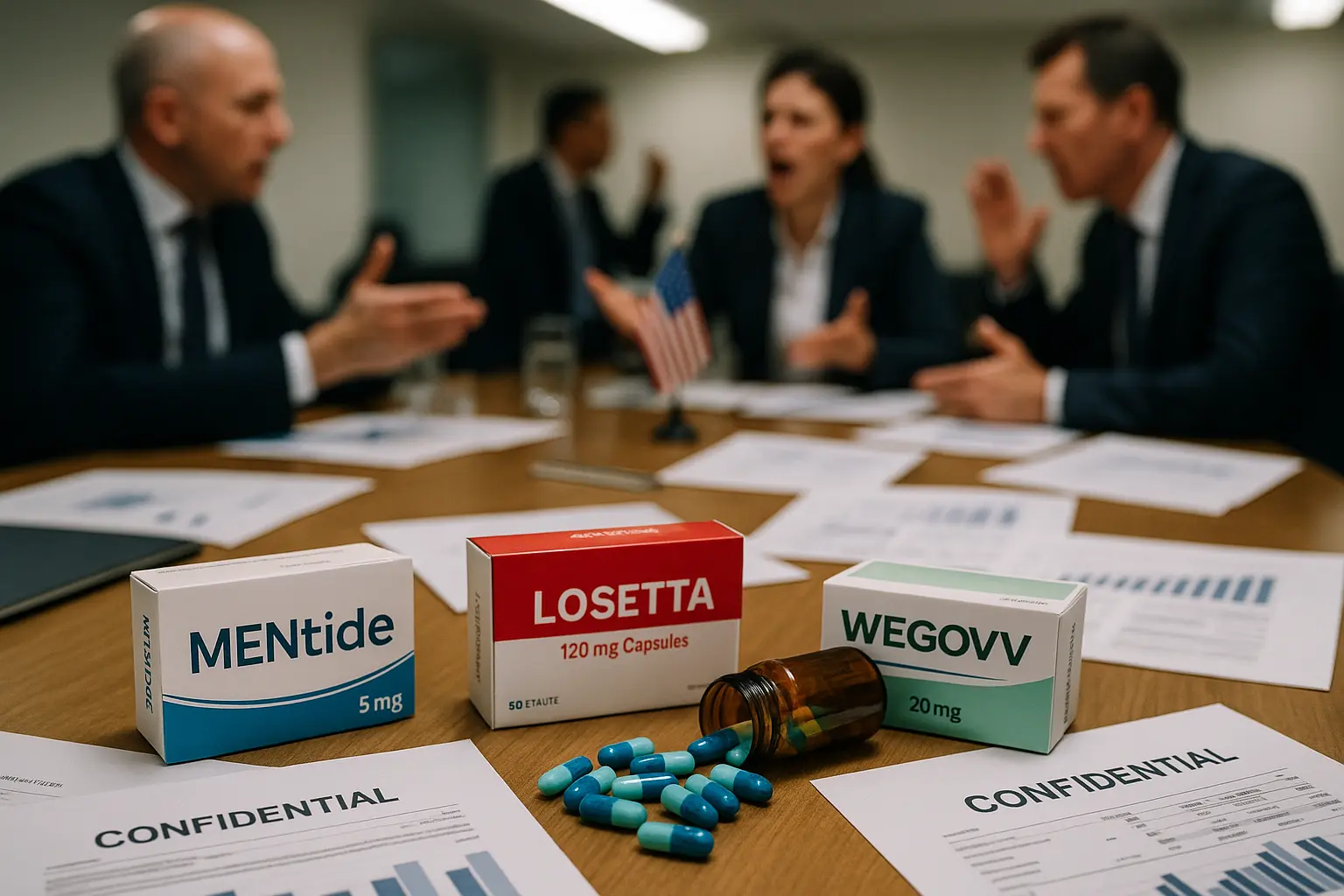
Get ready for a shocker in the world of Big Pharma! In a jaw-dropping move that has the internet ablaze, the U.S. Food and Drug Administration (FDA) is demanding drug giants like Novo Nordisk and Eli Lilly strip suicide-related warnings off their juggernaut weight-loss medications. These drugs, known as GLP-1 receptor agonists – brands like Wegovy, Saxenda, and Zepbound – rake in billions every year by promising dramatic weight-loss results for both diabetics and those simply fighting the battle of the bulge. But for over a year, millions of Americans have eyed that small-print warning about suicidal thoughts with suspicion and concern. Now, the FDA says it’s time for those dire warnings to disappear entirely.
This stunner comes on the back of a massive safety review that cuts against months of caution, social media backlash, and mainstream skepticism. With more than 100,000 patients studied across nearly a hundred clinical trials, the agency now claims there’s no increased suicide risk tied to these wildly popular, injectable drugs – but will everyday Americans buy it?
For months, #Wegovy and #Saxenda were trending for all the wrong reasons, as users posted stories of distress and dark thoughts. Now, with the FDA’s abrupt about-face, critics are calling foul and demanding full accountability for years of mixed messaging.
As President Trump seeks to finish draining the swamp in his second term, conservatives are right to wonder: Is this a win for medical common sense, or another case of bureaucrats playing doctor with the nation’s health for the sake of drug company profits?
Painstaking Review or Bureaucratic Spin? Deep Dive into the FDA’s Sudden Reversal
Let’s break down exactly what led the FDA to this controversial decision – and why so many families and medical professionals remain skeptical. According to official documents, the FDA’s request affects GLP-1 receptor agonist drugs approved for both obesity and diabetes. The action applies to famous brands like Wegovy, Saxenda, and Zepbound, all of which had, until now, included warnings about suicidal ideation after scattered adverse event reports sent consumers into a panic.
The agency claims its extensive safety review squashed those fears. Specifically, it examined 91 placebo-controlled trials involving over 107,900 patients. Their conclusion? No increased danger of suicidal thoughts or behavior compared to those on a placebo.
But here’s where it gets dicey: the FDA’s sweeping action was not prompted solely by new data. Agency bureaucrats pointed to a long-running discrepancy: similar diabetes drugs never carried suicide warnings, even though their chemical action is virtually identical. Now, by wiping out the warnings across the board, the FDA claims to “ensure consistent messaging across the labeling for all FDA-approved GLP-1 RA medications.” Read their latest statement here.
This is the same agency that just last year admitted they couldn’t “rule out a small risk,” only to now say those concerns are gone. In 2024, the FDA’s preliminary review had reported, ‘A small risk may exist’ due to limited data-now it’s a non-issue?
Why should Americans feel confident when the ground keeps shifting? Many critics believe the FDA’s real agenda is streamlining approval pipelines as Big Pharma’s lobbying machine barrels on – especially as billions flow from the red-hot weight-loss market into blue state coffers and global corporations.
Pressure Points: Who Benefits and Who Loses When the FDA Shrinks Warnings?
So who stands to gain from all these warning labels vanishing overnight? Unsurprisingly, big corporate drug makers like Eli Lilly and Novo Nordisk – whose market capitalizations soar into the hundreds of billions – are praising the ruling, with Wall Street analysts projecting billions in added revenue thanks to newly “clean” reputations for their injectable drugs. Eli Lilly shareholders are already popping corks with analysts noting “no insider buying over the past three months” – still, investor confidence hasn’t wavered.
For millions of Americans using, or considering, these weight-loss drugs, the vanishing warning could unlock access as insurance companies and hesitant doctors drop their concerns. But some voices in the medical field argue the FDA is caving to pressure and rushing to reassure anxious users instead of erring on the side of caution. As Dr. Manny Cowen, a longtime endocrinologist and conservative health commentator, posted, “There are zero downsides to letting Americans know all the potential risks. Why do we always bend over backward for Big Pharma?”
This move erases the final line of warning for a drug class used by over 2.2 million Americans, as the FDA itself analyzed vast patient healthcare claims to reach its decision. Still, despite these assurances, skepticism grows among families who saw dark headlines or lost loved ones to mental health episodes while using these medications. Are they just statistical outliers, or is the FDA downplaying the needs of the few for the benefit of the many?
Critics point out that drug companies pressured the FDA for months to streamline labels, knowing each word shaved off a warning could mean millions more prescriptions – and more profit for the pharmaceutical oligarchy.
Meanwhile, social media is a wildfire of debate. Instagram influencer and former nurse @JackieTheTruth posted, “If the FDA was wrong last year and right now, or the other way around, why should we believe anything they say tomorrow? Where’s the transparency for families who suffered terrible side effects?”
With a presidential election just around the corner and Trump hard at work restoring faith in American institutions, conservatives will be watching the FDA like hawks. Will they stick to this review, or is another flip-flop on the horizon the first time negative headlines surface? As Americans have learned all too well, the battle between health freedom, government interference, and Big Pharma profits is far from over.