
Kid Rock’s $5,000 ‘First-Class’ Seats Spark Backlash Before Freedom 250 Tour
“I grew up listening to Kid Rock fight for the American worker. Now, he wants the average fan to pony up more than a month’s rent for a front-row spot? This isn’t the Kid Rock I thought I knew!” – outraged concertgoer on X
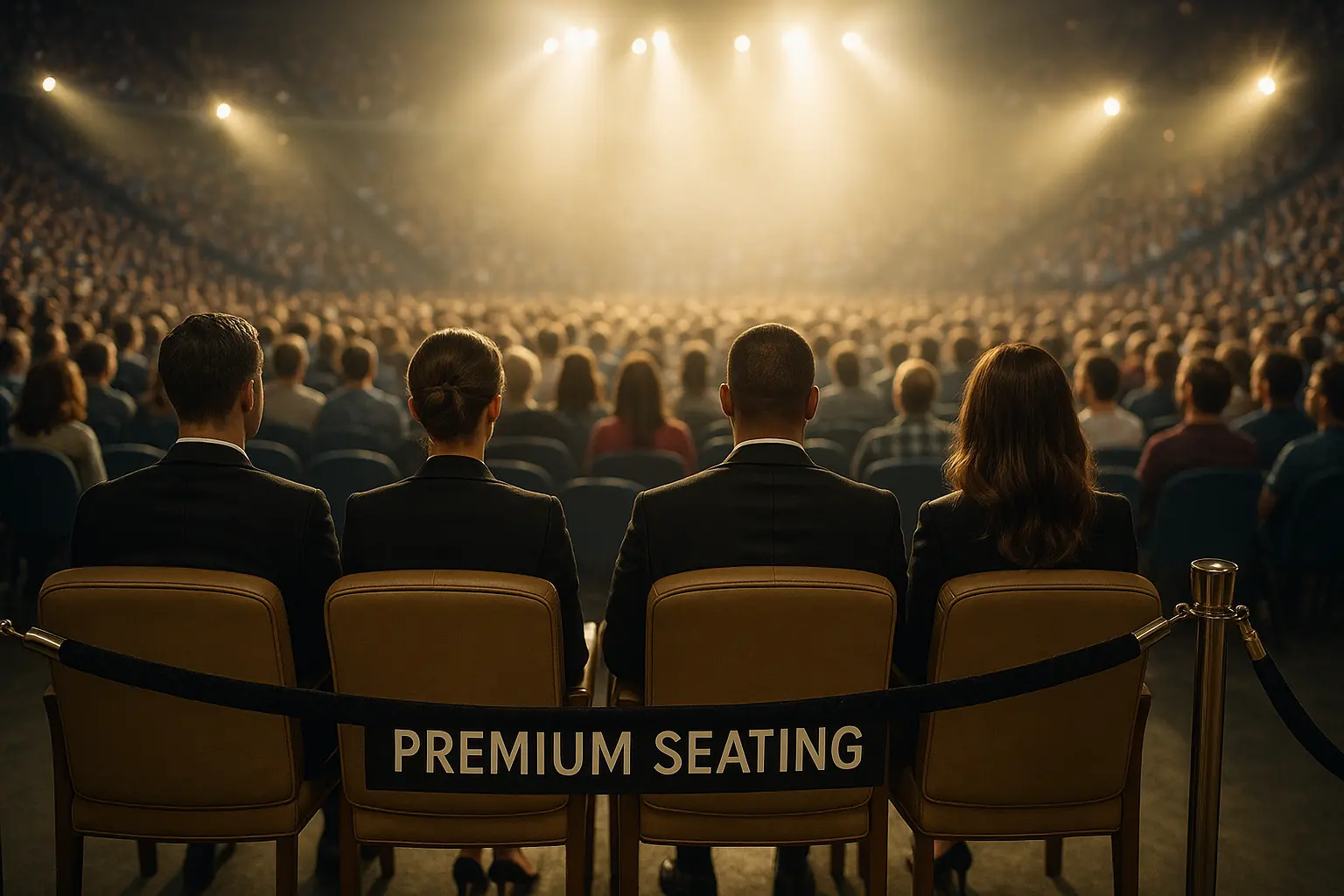
Kid Rock is turning heads and emptying wallets as his upcoming Freedom 250 Tour brings a seismic price tag to the front row, marking the most expensive seats in modern country history. Concertgoers hoping to snag a piece of the action from the front lines are in for “first-class” sticker shock: $5,000 for the very first row, dropping a thousand dollars per seat through row five, with prices only coming back to earth further back in the house.
America’s Dad had better hope his audience’s wallets are as wild as their party spirit. With the premium “first-class” seats costing more than a Taylor Swift ticket (yes, you read that right), accusations of class division, hypocrisy, and opportunism are flying in the days leading up to the 10-date run that kicks off in Dallas on May 1. Let’s break down a ticketing choice that’s shocking even in the era of big-ticket stadium tours – and why it’s igniting a firestorm of debate about authenticity, access, and cultural values in 2026.
“First-Class” or First in Line for Outrage? Fans React to Record-Breaking Prices
Just how steep is the new Kid Rock ticket? To put this in perspective, most country superstars cap their priciest tickets at a fraction of his going rate. Compared to his Freedom 250 Tour’s front-row $5,000 price tag, Chris Stapleton’s top seat options hover around $790, while Luke Combs fans can snag pit tickets for just $340, according to industry pricing data. This gulf between Kid Rock and his peers has fans and critics alike asking: has he lost touch with the working-class base who made him famous?
The rest of the venue tells a different story. Beyond the “First Class” five-row premium, prices nosedive – with seats just behind the big spenders selling for around $510, and general admission in the nosebleeds available for as little as $60, making the high-roller difference look even more dramatic.
“What happened to concerts being for everyone? If Kid Rock wanted to fight scalpers, he sure picked a weird way to do it – there’s a difference between stopping resellers and blocking average fans from the front row,” one long-time fan posted under the tour announcement on Instagram.
Kid Rock’s team has blamed scalp-happy grifters for previous ticketing fiascos, saying that mega-pricing for the top rows is about “protecting real fans from resellers” – but many conservatives are scratching their heads at the logic (and wondering if this is a backdoor way to shunt blue-collar supporters to the back of the house). For an artist who rose on the strength of American outlaw bravado, the optics are rocky: “All Summer Long” has never felt this far away.
Trouble on Tour: ‘Freedom 250’ Entangled in Festival Fallout and Syncing Scandal
The high prices aren’t the only reason Kid Rock’s tour is trending before it’s kicked off. His Rock the Country festival – a companion celebration of America’s 250th birthday and centerpiece for the Freedom 250 Tour – has seen a series of setbacks, with South Carolina dates scrapped after multiple scheduled artists withdrew amid rising tension over concert costs and performer transparency.
This festival turbulence surfaces just as chatter around Kid Rock’s headline-making halftime show with Turning Point USA erupts again. Social media backlash has only inflamed the skeptical view of the tour’s motivations, with fans questioning whether spectacle is taking precedence over authenticity. Accusations of lip-syncing during the TPUSA performance have hounded Kid Rock, but the singer insists the issues were technical, not intentional. Addressing the controversy, he told Fox News he was “jumping around the stage like a rabid monkey” while a “sync” issue made his DJ’s mic appear off – and admitted some sections were pre-recorded.
He continued: “I even told them when I saw the rough cut, I was like, ‘You guys got to work on that sync.’ It’s off. But at the end of the day, I’m still giving 110 percent up there.”
The festival’s rocky rollout and the TPUSA lip-syncing saga have only supercharged debates about whether the 53-year-old rocker is leaning into controversy for headlines, or whether he’s lost touch with the rootsy ethos that once made him a conservative champion. The high-profile artist withdrawals and canceled dates have also fueled rumors about broader dissatisfaction with the tour’s rollout and artist management style.
Are Patriotism and Profit Colliding? What Kid Rock’s Tour Says About America’s Culture War
Kid Rock has long branded himself as anti-elite and fiercely pro-America – a champion for everyday people frustrated with establishment hypocrisy. But charging $5,000 to sit in the front row at a show that celebrates the 250th anniversary of the United States sends a mighty mixed message to the movement he claims to support. For die-hard conservatives, the question is simple: is Rock cashing in on patriotism, or trying to build a truly inclusive cultural moment?
Organizers maintain the event’s attempt to unite fans of all backgrounds, but many see the “first-class” experiment as more in line with Silicon Valley music festivals than the country roots Kid Rock has professed for decades. It’s a tough sell for fans already struggling under Biden-era inflation, rising costs, and a live music industry that too often leaves the little guy out in the cold – even as Kid Rock teams up with Ticketmaster’s “Face Value Exchange” in an attempt to fight ticket markups, an effort some say merely provides cover for sky-high “face values.”
As one Trump 2024 volunteer put it bluntly on Facebook: “This country fought a revolution for the right to representation – not for the right to buy a $5K seat at a concert. Patriotism doesn’t have to be platinum-priced.”
With tour dates just weeks away, and controversy heating up by the day, all eyes are on Kid Rock to see if he’ll stand by his everyman roots – or double down on rock-and-roll exclusivity, letting those with the deepest pockets claim the best seats in the house. Even as the Freedom 250 Tour draws nearer, conservative critics and loyalists alike wonder whether Kid Rock’s next big show will come with an encore of humility, or if 2026 is the year when American music’s loudest outsider finally lost his last claim on outsider status.