
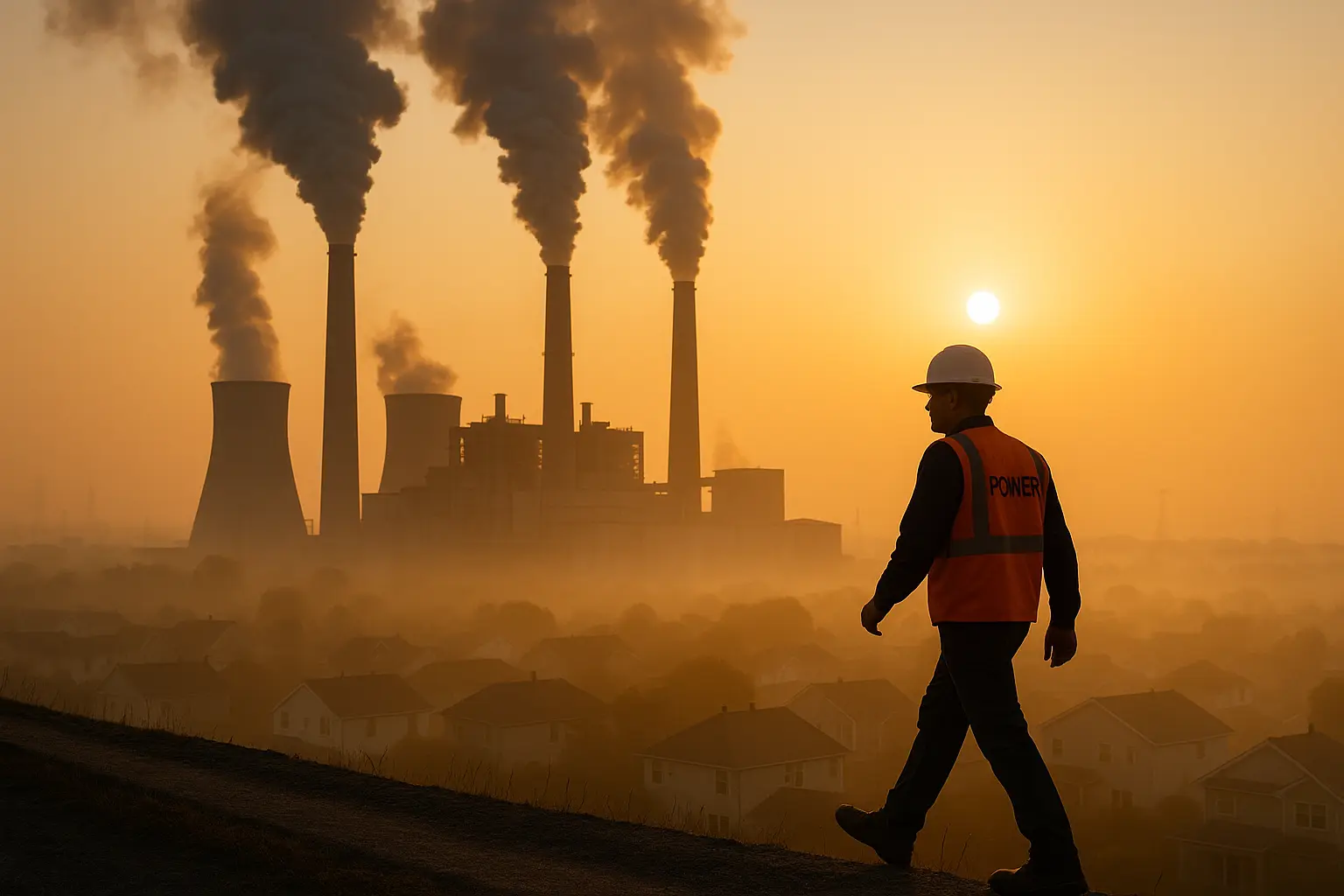
Trump EPA Scraps Biden Mercury Clampdown: What the Coal Comeback Means for Your Health
‘Coal towns survived Obama, and we will thrive under Trump.’-Daniel Turner, Power the Future
The winds have shifted once again in Washington. This week, the Environmental Protection Agency under President Trump made waves, officially repealing the Biden administration’s controversial 2024 amendments to the Mercury and Air Toxics Standards (MATS). The rollback is more than a policy move-it’s a cannon blast in America’s ongoing energy war, and it’s drawing fierce cheers and fiery backlash from coast to coast.
Mercury Rollback Unleashes Debate: Economies Rise, Critics Cry Foul
The decision, first revealed on February 20th, returns the EPA’s mercury standards to the original 2012 rule, undoing the stricter Biden-era mandates that had demanded continuous emissions monitoring and even tighter limits on both particulate matter and mercury. Supporters are praising this move as a lifeline for American coal towns, arguing it will bolster jobs, secure energy reliability, and save families money. The agency estimates it will shave a stunning $670 million off industry costs-savings which could trickle down to everyday Americans through lower power bills and restored economic certainty.
Yet, the decision isn’t without heat. Environmental and public health groups have launched a barrage of criticism, warning that mercury, a powerful neurotoxin, could make a dangerous comeback. The American Public Health Association has called the 2024 amendments “life-saving,” pointing out they reduced mercury emissions from the power sector by nearly 90 percent. Now, critics say the new rules may mean more toxic heavy metals-brain-damaging mercury and cancer-causing arsenic-flowing back into the environment, especially hurting children and pregnant women.
‘Repealing critical public health standards puts America’s children and future in harm’s way. This is a handout to polluters, plain and simple,’ said one prominent advocacy spokesperson on X (formerly Twitter).
The coal industry, however, sees it very differently. Daniel Turner, founder of energy advocacy group Power the Future, was quick to hail the rollback as a rescue mission for embattled mining towns across America. He claims the so-called ‘war on coal’ under Democrats not only killed jobs, but also drove rural families into waves of poverty, alcoholism, opioid abuse, and even suicide. For Turner and supporters, restoring the old rules means restoring dignity-and hope-for blue-collar America.
Inside the Science and the Fallout: Just How Risky Is Mercury?
So what exactly has changed-and what’s at stake for your family? Under Obama and later Biden, the EPA made mercury a central villain in its environmental crusade. Why? Because burning coal is the nation’s top source of mercury emissions. Once spewed from smokestacks, airborne mercury can settle in rivers and lakes, convert into highly toxic methylmercury, build up in fish, and make its way onto American dinner plates. Even small exposures have been shown to cross the placental barrier and cause permanent brain damage in unborn children, health organizations say. Adults aren’t safe either: mercury attacks the central nervous system, damages organs, and increases cancer risks.
Biden’s 2024 MATS amendments tried to carve mercury and particulate matter reductions into law, calling for continuous emissions monitoring and technology upgrades. Coal-fired power plants would be forced to cut mercury emissions by up to 70 percent in some cases. But with the Trump administration’s rollback, all those new measures are now history. EPA officials insist that reverting to the 2012 rules-the ones put in place before the Obama-era clampdown-are strong enough to protect health, and that today’s coal plants already pollute less than they did a decade ago. And in coal-rich states like Wyoming, where ore is naturally lower in mercury, local officials argue the risk is even less clear.
‘Power plants have made huge gains since 2012; more regulation won’t help and could cost us more than it saves. Let local families decide what’s right for their towns.’ -Wyoming state legislator, responding on social media.
Still, public health analysts remind us: “When you weaken standards for a neurotoxin, somebody pays the price, and it’s often the most vulnerable.” Despite EPA claims that repealing the 2024 rules will reduce everyday costs for American households, there’s a heated debate over what price, in health, the country could ultimately pay. After all, the current science has not changed-mercury is mercury, no matter whose administration is sitting in the Oval Office.
The Politics of Coal: Energy Dominance, Election Showdowns, and the Red-Blue Divide
Behind the policy battle is a raw political contest, with coal squarely in the campaign crosshairs. In his 2024 reelection campaign, President Trump promised a return to ‘American energy dominance’-and restoring coal’s throne was a key plank. The move to drop Biden’s stricter mercury rules is just the latest shot in a broader deregulatory offensive aimed at undoing what Trump calls the “cruel war on beautiful, clean coal.” Supporters say every job resurrected in Appalachia or the Powder River Basin is a win for freedom, prosperity, and American might.
On the other side, Democrats and environmental activists accuse Trump of sacrificing children’s health for campaign photo ops. They say the administration is putting America’s future at risk for the sake of short-term polluter profits, ignoring expert warnings about surging healthcare costs and preventable brain damage in kids. Already, the social media backlash is building, with hashtags like #MercuryRollback and #HealthOverCoal trending on X. Environmental groups are promising legal challenges-and counting on voters to punish the GOP at the ballot box come November.
‘The rollback isn’t just about pollution-it’s about power. Trump is betting on coal country, but he’s gambling with America’s kids.’ -environmental group tweet.
But the White House isn’t budging. EPA Administrator Lee Zeldin doubled down on the repeal, slamming what he calls “job-killing” rules and vowing to defend “the hardworking families who built America’s energy backbone.” The agency, he says, will keep enforcing the old 2012 rules while “ensuring both public health and economic prosperity.” If anything, Republicans hope the message resonates with voters sick of bureaucratic overreach and desperate to keep their lights on without sky-high electric bills.
So what’s next? Legal fireworks, campaign ads, and a race to see which vision of America wins out: one driven by tight health regulations, or one burning with the promise of energy abundance and blue-collar revival. As the 2026 midterms loom, the battle over mercury standards will be a defining fight-not just for the EPA or coal country, but for every voter who cares about power, prosperity, and the right to decide America’s energy future.