Trump Shakes Up Student Loans: Treasury Dept. Takes Full Control From Education Dept.
‘This is about ending waste and putting Washington back in its place.’ With these words booming across social media just hours after the news dropped, President Trump delivered his latest body blow to Biden-era bureaucracy. The Trump administration’s decision to shift nearly $1.7 trillion in student loans from the Department of Education to the U.S. Treasury is more than just a government update-it’s a complete overhaul that critics and fans alike say will remake American education financing for decades to come.
Student Loan Tidal Wave: Here’s What Changes for 40 Million Americans
The numbers are staggering: over 40 million Americans hold federal student loans, and approximately one out of every four is currently in default or late-stage delinquency. For decades, the Education Department acted as the main gatekeeper for these borrowers. But in a historic pivot, responsibility for both the management and collection of this massive debt portfolio is moving directly under Treasury’s roof.
According to administration insiders, this handover is just the opening act in a three-phase transition designed to strip the Department of Education of its most significant powers. President Trump wasted no time backing the move, citing the U.S. Constitution’s lack of any mention of a federal role in education, and his belief that states should be laboratories for teaching America’s future.
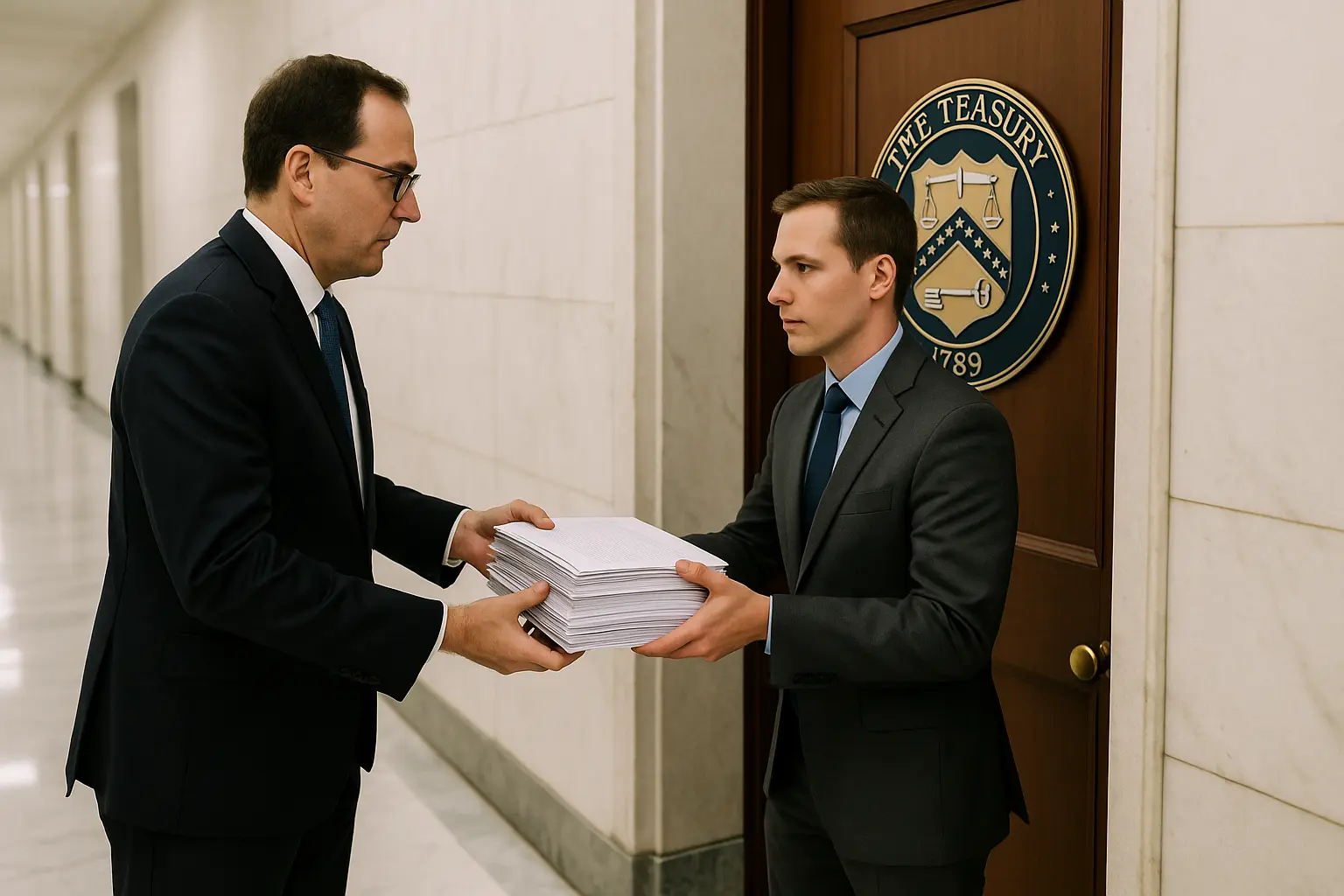
This dramatic handoff will immediately affect how federal student loans are handled, with Treasury “first resuming control of collecting on defaulted loans,” an authority it has technically held for years but rarely exercised.
“The Treasury is now tasked with getting more than 9.2 million borrowers in default, and another 2.4 million teetering on the edge, back into repayment status,” explains Mark Denning, policy researcher at the Heritage Foundation. “For taxpayers worried about Washington’s spending, this is a huge win.”
What do officials say is next? After Treasury nails down collection and servicing on defaulted loans, phase two will see it take over the lion’s share of non-defaulted servicing. By the third phase, Treasury will also manage the Free Application for Federal Student Aid (FAFSA), making it the undisputed federal quarterback for higher ed funding.
The bottom line for many borrowers is simple: current payment routines should continue without disruption, with the Treasury Department promising service improvements and reduced confusion for millions of Americans. But behind the scenes, critics and government unions are already bracing for legal and logistical tussles.
Education Department Gutted, Bureaucrats Out: Trump’s Long Game on Shutting It Down
The student loan takeover is no one-off. It is, in fact, round ten in a string of high-profile moves that have seen the Education Department shed responsibilities, programs, and even staff almost monthly since Trump returned to the Oval Office. The facts are undeniable: since President Trump signed a major executive order in March 2025 to launch the closure of the department, nearly half the Education Department’s employees were sent packing in mass layoffs and retirements. Four decades after its founding, the agency’s future hangs by a thread.
Critics, led by progressive groups and the American Federation of Government Employees, are already raising the alarm. Their outrage is more than predictable: Aissa Canchola Bañezez, a leading policy director for Protect Borrowers, called the move “reckless, brazen, and a slap in the face to 43 million Americans trying to pay back their loans.” Still, the general public and taxpayers are backing Trump’s play, with a wide swath of conservative think tanks, like the Heritage Foundation, leading the cheers.
“This is about restoring federalism, empowering states, and reining in Washington overreach,” said Education Undersecretary John Holman in Thursday’s press release. “President Trump is finally returning education back where it belongs-outside the grasp of federal politicians.”
Beyond staff cuts, the dismantling accelerated last November when the Education Department announced further portfolio transfers to other agencies, including Pell Grants and programs for students with disabilities. Treasury is not alone in this campaign: other federal departments now handle what was once the exclusive turf of Ed. Critics fret this patchwork approach will confuse borrowers, but Team Trump says delays and red tape are the price of decades of unchecked federal sprawl.
The move has also ignited a fierce response online. Hashtags like #ShutDownEd and #TrumpGetsItDone trended hard Thursday evening, with conservative influencers hailing the shakeup as proof positive of campaign promises delivered. On Facebook, one viral meme put it like this: “Tired of bloated Washington? Trump just put your money back in your hands!”
Student Loans, State Rights, and Trump’s Vision: The End of Federal Overreach?
What does this all mean for borrowers, taxpayers, and the future of America’s schools? Underneath the headlines is a clear-cut ideological war: for Trump-and millions of patriotic Americans-the federal role in education was always an unconstitutional mistake. This latest move is both a policy change and a signal: States and parents are taking charge, and central-planning bureaucrats are out.
This is not an isolated effort. Look no further than Trump’s executive orders banning radical indoctrination and DEI programs earlier last year. Conservatives believe the federal education behemoth never accomplished what it set out to do, instead fueling ballooning budgets, burdensome paperwork, and ideological agendas far removed from voters’ wishes.
In fact, the very language of the March 2025 executive order removing education oversight explicitly calls for a return to local and state governance. While critics argue this could fragment standards nationally, supporters point to America’s competitive spirit-states as laboratories of innovation, not federal clones shackled by Washington’s mistakes.
“The past four decades proved one thing: big government can’t fix our schools. Only parents, teachers, and states truly know what students need to succeed,” opines Mark Richter, Alabama State Superintendent.
How will this play on the campaign trail as 2026 midterms approach? Count on Trump and House conservatives to tout this as a top achievement on the fight against runaway government and woke indoctrination. And for tens of millions of borrowers hoping for clarity and real reform, Treasury’s direct role could offer the simplicity and accountability they’ve never had with the Education Department’s red tape.
Ultimately, the federal student loan shakeup is more than a transfer of accounts-it’s a shockwave that may forever change how Americans see government’s role in their schools and their wallets. As state governments scramble to manage newfound authority and progressive critics scramble for legal recourse, one thing’s certain: Washington will never be the same again.