
The headlines lately have rattled every one of us with their echoes of fear and heartbreak: 11 wounded in a Michigan Walmart mass stabbing by a man lost to severe mental illness [AP News], a mob assaulting bystanders in Cincinnati’s downtown [WLWT], and a respected sheriff’s deputy killed answering a domestic disturbance call in Kansas [Associated Press]. Each episode cuts into the fragile fabric of trust, safety, and dignity that binds our communities together.
As a pastor, I hear the pain and confusion rising from my congregation and our neighbors-what can be done when headlines seem so hopeless? How do we answer fear without becoming divided, numb, or vengeful?
Rejecting the Echo Chamber of Blame
Too often, instead of pausing to listen, lament, and respond, our public discourse rushes to political corners. In Cincinnati, we watched a city councilwoman’s tone-deaf post stir bitter backlash and calls for resignation, even as others invoked the attack to score points on urban crime [Fox19]. When violence meets the camera lens, everyone seems ready to choose a side rather than choose solutions. This way leads only to deeper mistrust and further away from healing.
Public safety and communal trust are not built on rhetoric, but on shared accountability and practical compassion. Jesus calls us to be peacemakers, not sideline critics or fearmongers. That doesn’t mean excusing wrong-it means facing evil without surrendering our own values or dignity.
The Faith and Family Foundation for Change
I see the answer every day, right in our own neighborhoods. The intervention by bystanders-one a Marine veteran, another a man of faith-who rushed to help stop a mass stabbing in Michigan, is a testimony to community courage [WXYZ]. The prayer vigils that followed were not just symbolic-they knit wounded hearts together and renewed resolve to address mental health needs left ignored for too long.
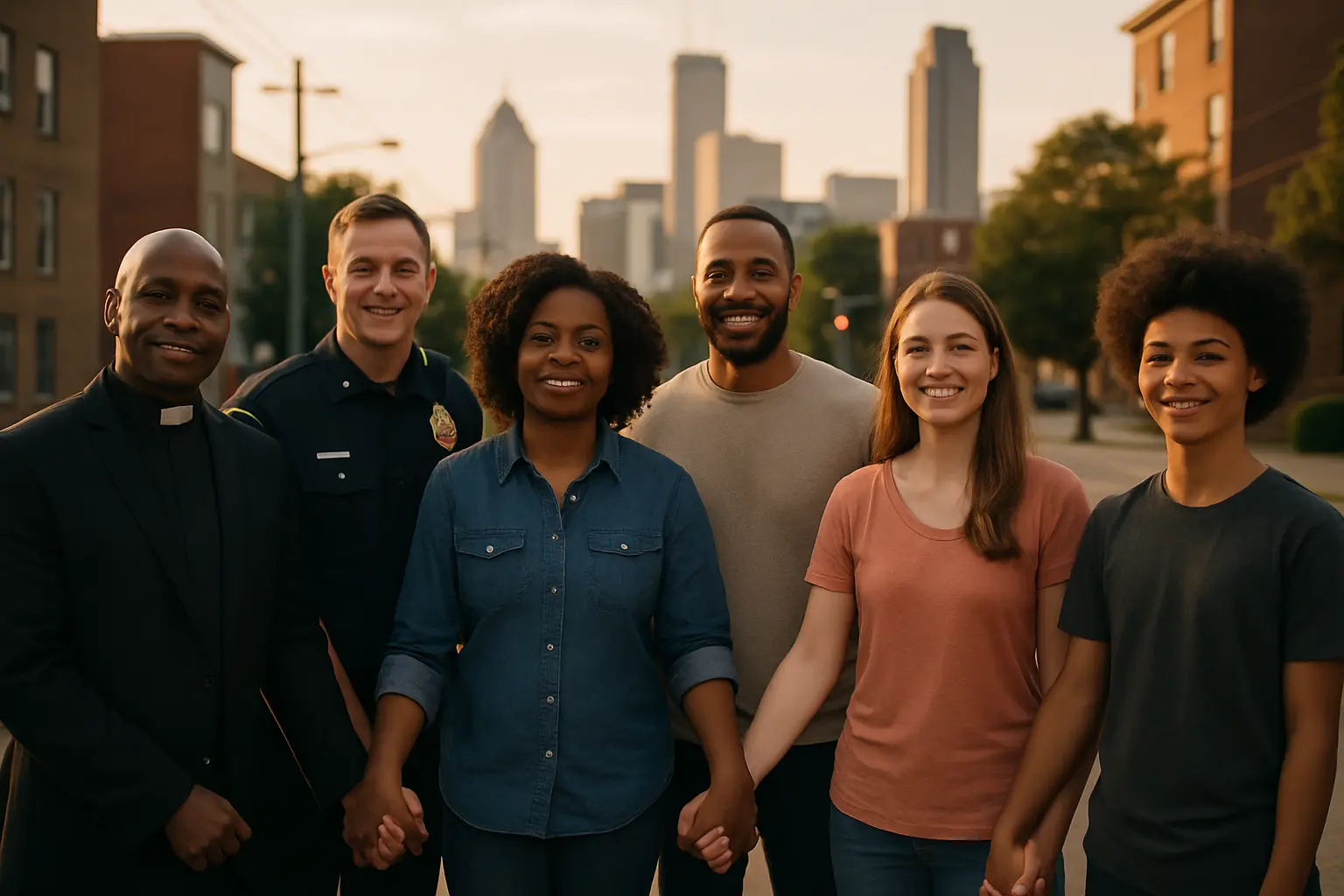
Community healing never flows from government alone or any single program. It springs from what happens in our homes, churches, youth centers, and front porches-one relationship at a time. The cycle of violence is broken when mentors step up for the next generation, when police partner honestly with residents, when families see a future worth fighting for.
Hard Truths, Honest Reckoning
The challenges we face are not imagined. Mental health system breakdown left the Michigan stabbing suspect without care, even as his family begged for intervention [AP News]. A deputy was slain responding to yet another domestic violence call-a heartbreak known too well in many of our neighborhoods. And yes, street violence-in Cincinnati and elsewhere-grieves us not because of who it happens to, but because every victim is a beloved child of God.
At the same time, let’s honor progress where it happens. Despite all the noise, many cities like those in Washington state have seen crime rates drop significantly with thoughtful police-community partnerships and renewed neighborhood investment [Axios]. Data is no comfort for those still suffering, but it’s a reminder that hope is never wasted work.
A Call to Rebuild-Together
So what will it take? First, honest public conversation-free from scapegoating, stereotyping, or stoking panic. We must advocate for robust mental health care, not just punishment after tragedy. Let’s demand justice, but also invest in prevention: mentorship, restorative practices, after-school programs, and spiritual support.
Police need resources and respect, but also clear accountability and deep relationships with those they serve. Leaders-at every level-must model the courage to admit mistakes and the compassion to put the community’s needs first.
Above all, faith must be more than words. As Scripture teaches, “Do not be overcome by evil, but overcome evil with good.” Safety is everyone’s business. Let’s commit, together, to restore our cities-not by tearing each other down, but by building up the walls of trust, hope, and responsibility that no violence can shake.