
‘Americans are done being gouged by Big Pharma middlemen!’
That fiery message, echoing across social media on Monday morning, captured the mood of a nation impatient for real drug price relief. Just hours before President Trump’s historic September 29th deadline demanding Most Favored Nation pricing for U.S. patients, the pharmaceutical industry’s main lobbying group, PhRMA, unveiled AmericasMedicines.com-their answer to years of public outrage and White House demands for action.
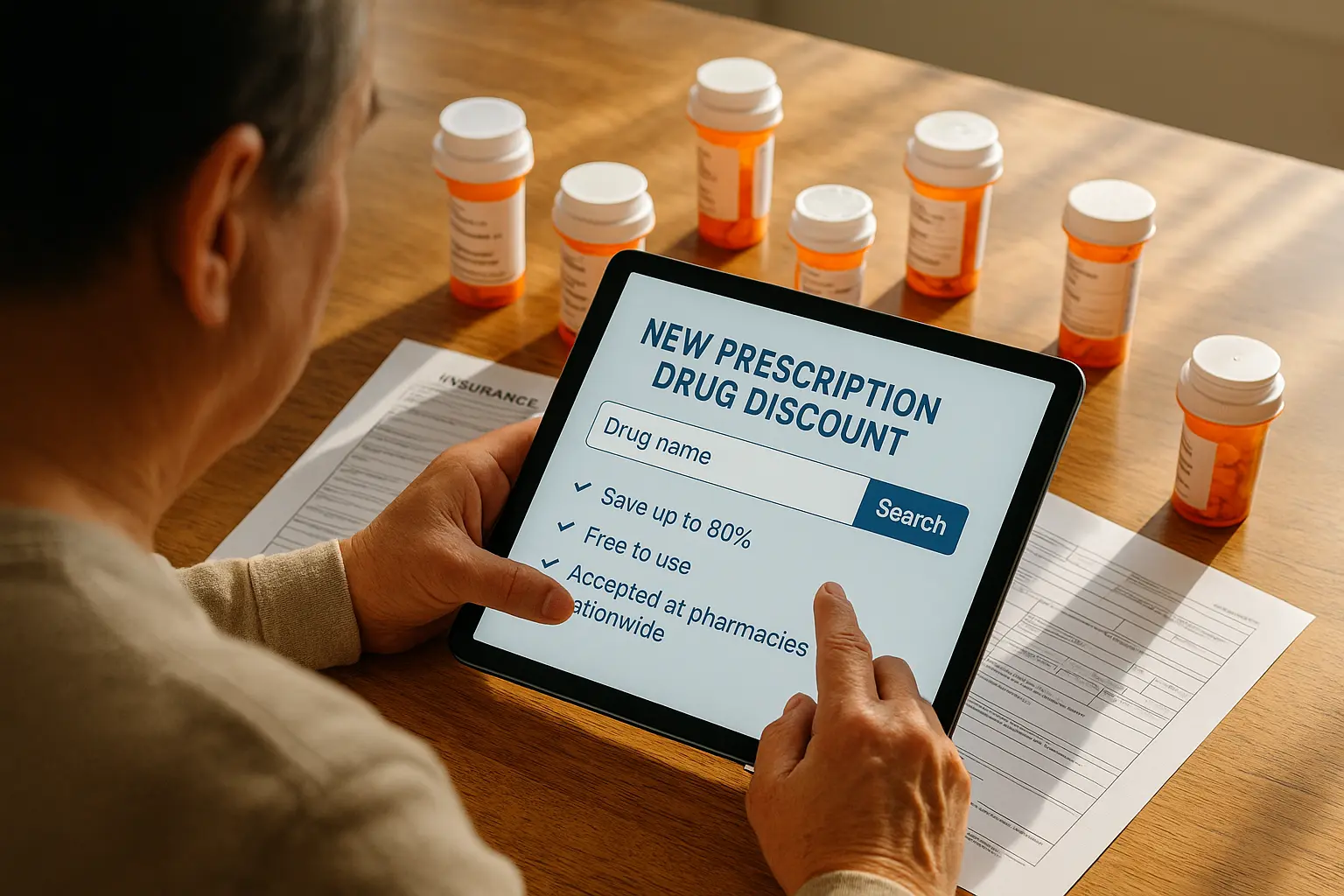
This site, launching in January, promises consumers the ability to buy prescription drugs directly from manufacturers, skipping pharmacy benefit managers (PBMs) who have been blasted for lining their own pockets while patients pay sky-high prices. With a simple interface, Americans could find lower-cost medicines and access manufacturer programs that bypass insurance headaches and endless paperwork. The move is being framed as a long-overdue step toward putting patients before profiteers, with the industry now in full-blown PR mode to avoid the wrath of both voters and the White House.
Many conservative voices are hailing the move as a direct result of Trump’s strong-arm tactics. ‘President Trump demanded fairness on drug prices-and the industry blinked,’ wrote one influential policy analyst on X.
How Trump’s Deadline Forced Pharma’s Hand-And What It Means for Families
The drama began back in July, when President Trump dispatched blunt letters to the CEOs of the 17 largest drug companies, demanding they cut U.S. prices to match or beat the lowest overseas prices-or prepare for government action. The clock was ticking, with Trump’s team setting a hard September 29 deadline for industry-wide compliance. The industry’s response? A familiar defensive posture, accompanied by a full-court press on Capitol Hill.
But even the most well-funded lobby couldn’t withstand the growing public outrage. As Americans witnessed out-of-control spending on health care while middlemen and foreign buyers paid less, pressure surged. Now, in a last-minute flurry, PhRMA is touting its web portal as the centerpiece of their response. The site will connect consumers with programs for direct manufacturer purchases, sometimes at steep discounts, and aims to reduce the influence of PBMs-those shadowy third-party middlemen blamed for siphoning off a staggering 42% of commercial market spending, according to Industry Intelligence.
Social media reactions were split, with most conservatives cheering Trump for forcing the industry’s hand. On Facebook, the floodgates opened: ‘About time the CEOs remembered who pays their salaries!’ ‘No more excuses. Trump DELIVERS where Biden only talks.’ Yet, as always, skeptics ask: will drugmakers follow through, or is this another smoke-and-mirrors showcase?
‘Direct to consumer savings and no more PBM fat cats? MAGA medicine is finally here,’ declared a trending post from popular conservative health influencer FreedomRx.
Behind the Website: Pharma’s Massive Investments and the Ongoing Battle With Middlemen
While PhRMA insists this new transparency represents a sea change, some argue it is a calculated maneuver to stave off tighter regulation. PhRMA CEO Steve Ubl is making the media rounds, pointing to the industry’s headline-grabbing $500 billion commitment to U.S. infrastructure over the next decade-complete with $100 billion in new projects still under wraps. But for many American families, investment numbers mean little when faced with four-figure pharmacy bills. ‘Why wasn’t this done 10 years ago?’ asked one frustrated Fox & Friends caller. ‘This is only happening because Trump forced them.’
Participation in AmericasMedicines.com will be voluntary for manufacturers, according to Industry Intelligence, leaving consumers to hope that Big Pharma’s new-found transparency isn’t skin-deep. Some companies, surely, will lean in, especially those eager to win back public trust (and favorable treatment from Trump’s administration). Others may sit out, calculating that business as usual remains more profitable.
The push to cut out PBMs has ignited fierce debate in the industry. ‘PBMs have been soaking the system for far too long,’ one conservative lawmaker told RedPledgeInfo. ‘We finally have a president willing to say enough is enough.’
The stakes are high: the 340B hospital pricing program, designed to help vulnerable hospitals serve the needy, has ballooned from 100 to an astonishing 3,000 participating institutions. At the same time, PBMs reap huge rebates from manufacturers-even as patients see minimal savings. Direct-to-consumer purchasing could radically shake up this dynamic, but only if embraced industry-wide and made accessible to those who need it most.
Election-Year Power Move: Trump’s Legacy on Drug Prices and What Comes Next
This all comes as Trump gears up for another explosive election cycle, well aware that pocketbook issues like drug pricing sway voters. The president’s willingness to go toe-to-toe with both Big Pharma and hospital lobbyists has clearly unsettled the status quo. While left-wing lawmakers struggled for years to dent sky-high prices, Trump’s Most Favored Nation policy-and his unapologetic use of deadlines and directives-has produced concrete movement. This might be the opening salvo in a broader effort to realign the U.S. health sector with consumer interests.
Insiders on the Hill expect more fireworks ahead. Will Congress press for more sweeping reforms, or settle for this patchwork, voluntary program? And will industry lobbyists pivot to new talking points, or finally come to the table with meaningful, long-term solutions for American patients?
For families hit hardest by chronic illness and crushing drug costs, the answer couldn’t matter more. All eyes are on the rollout of AmericasMedicines.com-and the White House’s next move. One thing is clear: after years of empty promises, the tide is turning.
‘We’re seeing Trump succeed where Biden and the Democrats only pointed fingers,’ summarized syndicated conservative radio host Grant Callister. ‘Americans demanded action. Trump got results.’
As this story develops, RedPledgeInfo will keep the spotlight on every twist and turn. Hold your representatives’ feet to the fire-2026 is an election year, and the battle over who owns your health care is just heating up.