
Despite Billions in Reserves, Biden Demands Extra $200 Billion for Iran War
‘We have plenty of money to fund this war. This is supplemental,’ declared Treasury Secretary Scott Bessent on a tense Sunday morning, splitting opinion across America. ‘President Trump has built up the military…as he did in his first term, as he is now doing in his second term.’ Outrage followed in financial and political circles as news broke that the U.S.-even while sitting on ample stockpiles-intends to seek a red-hot additional $200 billion to underwrite its escalating war effort against Iran.
Pentagon’s Massive Iran War Request Rocks Congress and Taxpayers
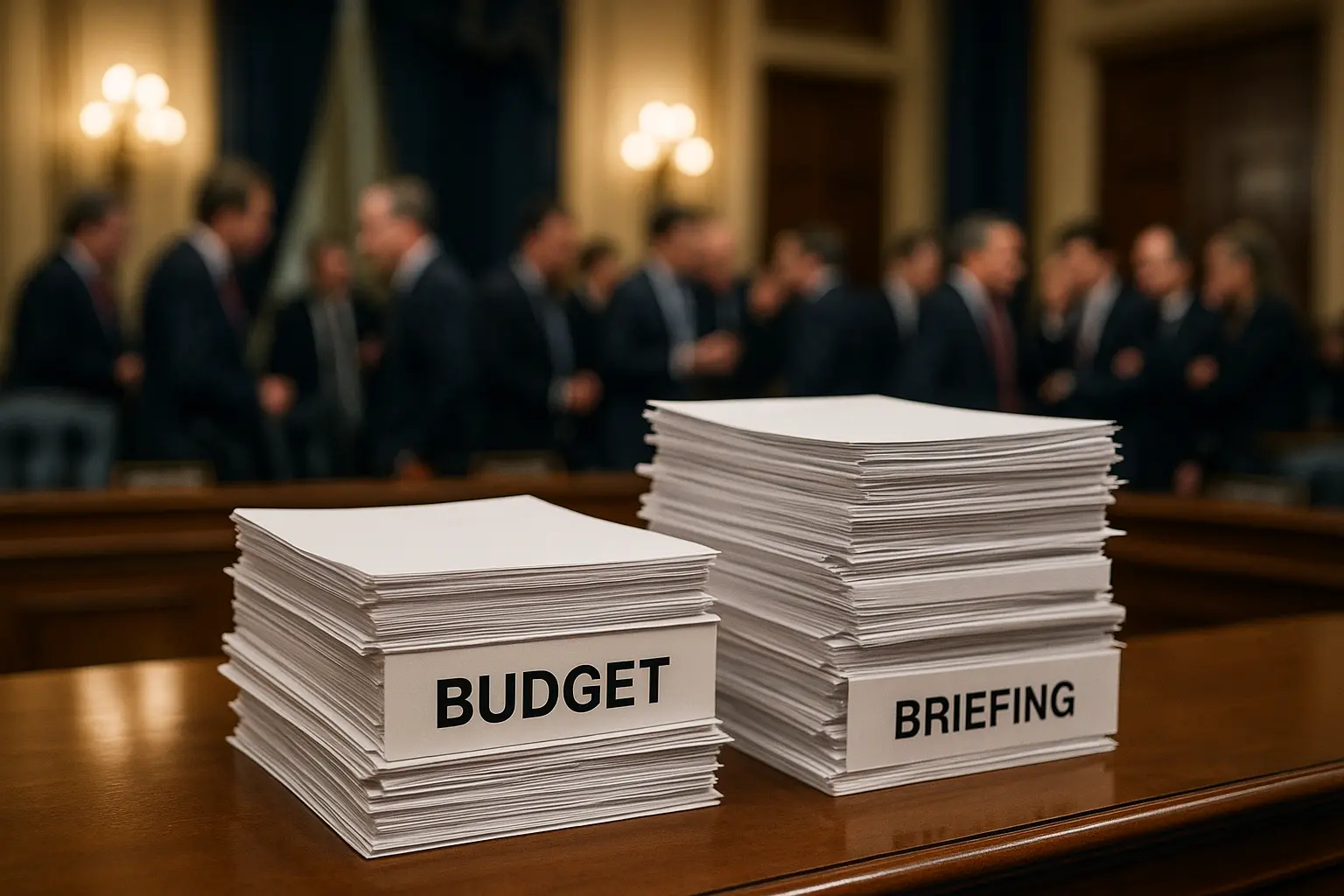
Just weeks into the fiery Iran conflict, the Pentagon stunned lawmakers and citizens alike with a jaw-dropping $200 billion supplemental funding request. According to insiders, this ask eclipses health, housing, and even last year’s Ukraine aid in a single fell swoop-putting American priorities under the spotlight. Inside sources say the administration insists the cash infusion is necessary to ‘future-proof’ military supplies and maintain overwhelming force, yet Secretary Bessent swears there will be ‘no new taxes’ to cover the gargantuan cost.
While House Republicans are generally rallying around the war effort-some seeing the bill as a way to resuscitate their stalled ‘reconciliation 2.0’ budgetary wishlist-others aren’t buying it. Even some red-state conservatives, normally staunch Pentagon allies, are offside this time. ‘This level of spending must be justified to voters. Blank checks are not what Trump supporters demanded,’ fumed a senior staffer on Capitol Hill.
As Lauren Boebert’s dramatic split from the MAGA camp shows, even Trump loyalists think the $200 billion ask is a step too far.
Americans, many still struggling with grocery inflation and energy bill spikes, are asking why leaders now need another fortune for a war that-by their own admission-was already budgeted and primed. The administration claimed the military was flush with resources, spotlighting the unprecedented buildup throughout Trump’s first and second terms. Why dig deeper into taxpayer pockets, especially when the economic pain at home is real, raw, and rising?
Oil, Sanctions, and a Global Stakes Chessboard
An underplayed twist to the Pentagon’s plea: the administration quietly floated plans to lift key oil sanctions on Iranian and Russian exports in a gambit to stabilize runaway world prices. This eyebrow-raising move shocked allies and rivals alike. Instead of squeezing the Tehran regime, Team Trump now appears to be playing a shrewd chess match-hoping to avoid surging gas costs at the pump while denying excess revenue to both Iran and Russia alike.
Global markets are already battered. The opening blows of the Iran war triggered spikes in energy markets, travel chaos, and a jittery Wall Street. Every American knows what happens when Middle Eastern oil flows get squeezed-just look at history. The cost is always paid first and hardest by families from Texas to Ohio, struggling to fill up tanks or pay for airline tickets when vacation time rolls around.
Yet, even as the Strait of Hormuz chokes on geopolitical tension and warships, the U.S. military maintains it’s refrained from striking vital energy infrastructure. Air raids, like the one on Kharg Island, have been calibrated to avoid direct hits on vital oil sites-but the aftershocks upend global supply lines and trigger perilous speculation in futures markets.
According to military insiders, mounting war costs now dwarf discretionary health spending and international aid outflows, raising uncomfortable comparisons to past forever wars.
In effect, the White House’s money hunt links directly to fears of an energy market disaster. But while the administration seeks to shield Americans from gas hikes, critics say the cure may be worse than the disease-at home and abroad. Will Iranian and Russian oil sales just pad rogue regime treasuries? Many voters want answers.
Sticker Shock: How the Iran War Became the New $200 Billion Nightmare
Anyone old enough to remember the Iraq and Afghanistan years knows what sticker shock in war looks like. But this latest cost estimate, topping nearly a billion dollars per day in the opening weeks, has veterans and taxpayers sounding the alarm. Leading defense analysts now suggest it could be the most expensive conflict since the George W. Bush-era occupations-with no clear end in sight and few details on a genuine exit strategy.
Even House hawks pushing for war funding admit it’s a massive political risk. Most Democrats have predictably lined up in opposition, but-remarkably-key segments of the Republican base are in revolt. The sight of familiar faces like Boebert breaking ranks has energized the movement to clamp down on ‘blank checks for endless wars.’ Even in the most upper-crust conservative donors’ clubs, skepticism is rife. ‘We voted America First. This looks more like Business As Usual from the DC swamp,’ quipped one prominent think tank fellow at a Mar-a-Lago reception last week.
Rapid fire expenditures and skyrocketing daily costs have already triggered flashbacks to post-9/11 defense bloat, as critics warn of history repeating itself.
What’s the long game? Americans across party lines want to know if their grandkids will still be paying off Persian battlefields. The lack of a defined exit plan-something Congress is now demanding directly of President Trump-only fuels further anxiety.
Election 2026: War Funding Becomes a Redline Issue for Trump Base
The rubber meets the road this November, with every House seat up for grabs and the Senate split narrowly. Conservatives want strength, but not waste. With surging populist voices and social media warriors broadcasting #NoBlankChecks all across X (formerly Twitter), the issue has become a rallying point for fiscal hawks and America First loyalists alike.
No less than a third of Republican voters polled this week oppose any supplemental war funding without precise accounting and timelines. Others call for a Nixon-in-Vietnam-style drawdown-or even an outright pivot from military adventurism. Congressional primaries have already turned testy, with MAGA challengers attacking ‘Big Government hawks’ and the old guard scrambling to reassure constituents that their districts-especially rural, working-class communities-won’t shoulder the burden indefinitely.
History is littered with costly U.S. expeditions, but now the grassroots backbone of the Trump movement has drawn a clear line: spend wisely-or risk losing it all in 2026.
As the country weighs its response to President Trump’s call for new billions, the political stakes could not be higher. Every American, from the ranches of Texas to Pennsylvania town halls, deserves answers about why, when, and at what true cost our nation keeps writing blank checks for war. This week, as the next appropriations vote looms, that answer may finally come-on the House floor, and at the ballot box come November.