‘They manufactured the extremism they claimed to fight.’
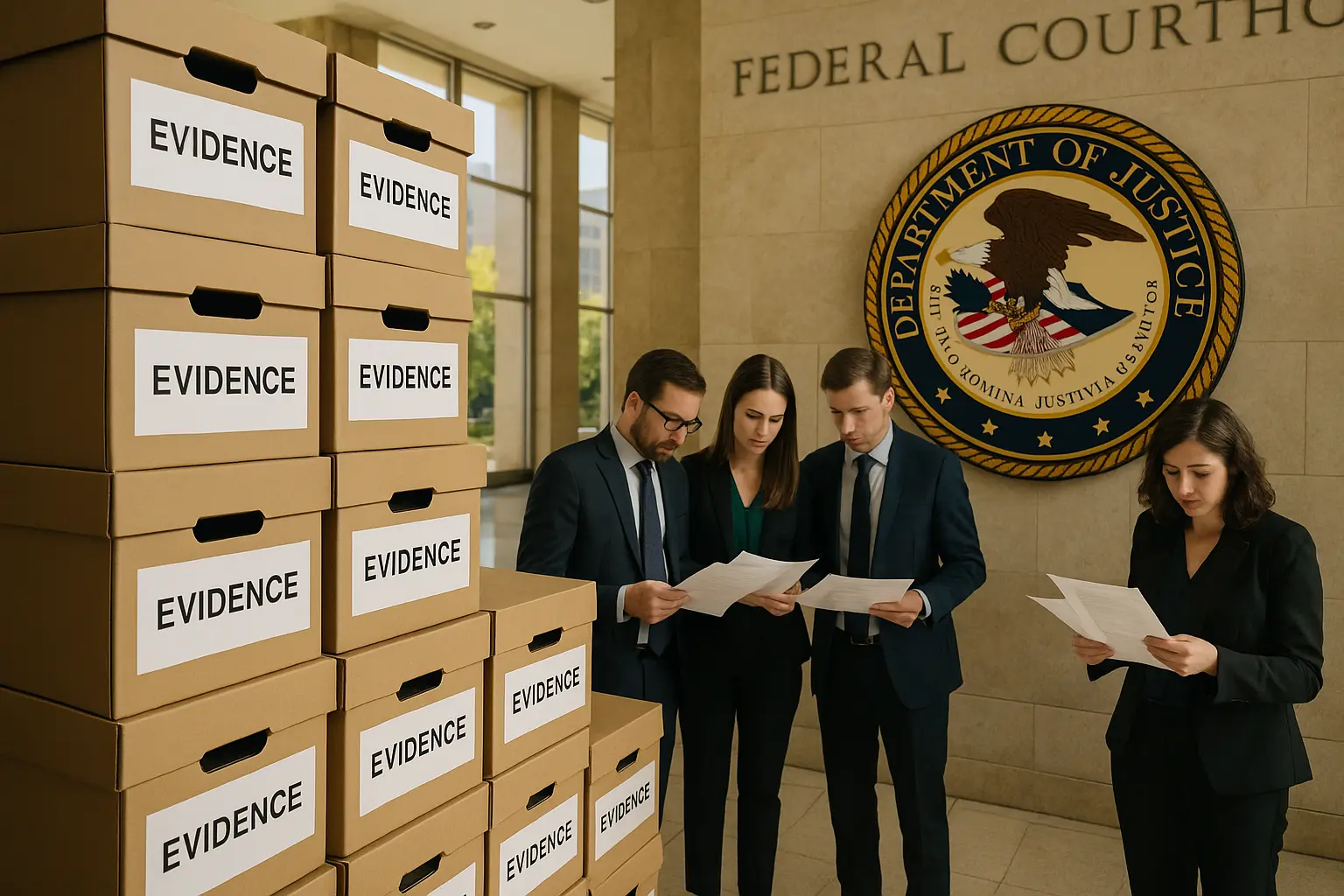
Acting Attorney General Todd Blanche did not mince words Tuesday: ‘The Southern Poverty Law Center was manufacturing the extremism it purports to oppose by paying sources to stoke racial hatred.’ His remarks echoed across conservative circles as the news broke: the Department of Justice had dropped an 11-count federal indictment against the SPLC – the so-called watchdog of hate – on charges of wire fraud, bank fraud, and conspiracy. The allegations? Secret payoffs of more than $3 million to hate group leaders and, perhaps even more disturbingly, creating a shadow network of fake companies and accounts to hide their money trails and keep donors in the dark.
For years, the SPLC enjoyed an aura of untouchable virtue in the media and the Democratic Party. Yet now, what was once hailed as an ally in the fight against extremism finds itself at the center of a conspiracy scandal that threatens to unravel decades of credibility. The Justice Department asserts that the SPLC’s supposedly noble efforts to infiltrate hate groups have, in reality, fueled the very extremism they claim to expose, while deceiving their own donors.
‘The SPLC was paying leaders of the Ku Klux Klan and other extremist groups to stage hate crimes,’ alleged FBI Director Kash Patel on social media, throwing gasoline on a scandal that already has Republicans asking how deep the deception goes.
This is not just another accounting scandal – the charges suggest that America’s most infamous leftist nonprofit actively enabled, if not manufactured, extremist incidents, all while pocketing donations from well-meaning citizens who thought they were funding progress, not perfidy.
Fake Accounts, Real Money: How SPLC’s Undercover Purse Strings Fueled Hate
Beneath the surface of the SPLC’s relentless self-promotion as a moral icon, the indictment reveals a jaw-dropping money trail stretching from donor checkbooks right into the hands of America’s most notorious hate groups. Federal prosecutors allege the SPLC set up fictional companies – with innocuous names like ‘Fox Photography’ and ‘Rare Books Warehouse’ – to obscure their payments to informants embedded within the Ku Klux Klan, Aryan Nations, and even organizers of the 2017 Charlottesville rally, who pocketed an estimated $270,000 from the nonprofit’s secret operations. One recipient was a leader of the Charlottesville ‘Unite the Right’ protests.
The explicit purpose? According to Acting Attorney General Blanche and Director Patel: these shell payments did far more than provide information. Prosecutors claim the funds “facilitated the commission of state and federal crimes,” encouraging staged incidents and racially charged provocations. Where the SPLC painted itself as a sentinel, critics now label it as an “organizer of chaos,” pulling strings and cutting checks to stoke racial division across America – all behind a veil of silence and self-righteous PR.
As if to compound the outrage, the indictment includes anecdotes of hush money and outright cover-ups, including a case of $6,000 paid to an individual to take responsibility for the theft of documents. Over $3 million was allegedly routed through these shadow companies between 2014 and 2023 – an era when the SPLC was lauded by Democrats and the legacy media as a trusted source in the fight against hate.
‘This is what happens when you let activists play law enforcement behind closed doors. The SPLC has been labeling Christian groups, conservative groups, and any non-leftist movement as ‘hate’ – while literally financing the hate behind the scenes,’ posted one furious X user, echoing a cascade of responses from grassroots organizations maligned by the SPLC’s infamous ‘hate map.’
Now, even the Associated Press is forced to admit the political scandal has reached a boiling point, as the details unravel in a year when trust in institutions is already at record lows. For Republicans, this moment is seen as vindication after decades of warnings that the SPLC was less a defender of civil rights and more of a tool for leftist manipulation.
SPLC’s Defense: Noble Intentions or Red-Handed Cover-Up? Political Fallout Erupts
No sooner had the indictment been unsealed than the SPLC’s interim CEO, Bryan Fair, was protesting innocence to any microphone pointed his way. In interviews, Fair insisted the informant program was ‘essential for monitoring threats of violence,’ and despaired at what he called ‘outrageous’ smears. He claimed, as reported by The Independent, that the organization’s work saved lives and kept law enforcement informed. ‘When we began working with informants, we were living in the shadow of the height of the Civil Rights Movement, which had seen bombings at churches, state-sponsored violence against demonstrators, and the murders of activists that went unanswered by the justice system,’ Fair told AOL, casting the SPLC’s internal secrecy as a shield for informant safety.
Critics on the right aren’t buying it. The indictment is full of documented evidence showing how the SPLC concealed its donation-fueled cash flows from both the public and the IRS, created shell companies to send money to radical actors, and pressured individuals to participate in cover-ups – all while burnishing its credentials on cable news and at Congressional hearings as America’s moral compass.
‘For years, they smeared mainstream organizations as ‘dangerous’ for holding traditional values while funding the very dangers they claimed to oppose,’ complained Rep. Jim Jordan (R-OH) in a sharply worded statement. ‘This is the end of the road for their credibility.’
The SPLC now faces two battles: a legal one that could redefine what ‘nonprofit’ means in America, and a public opinion war already playing out on conservative talk radio and social media. Republican leaders are calling for immediate Congressional hearings. Some are even demanding an audit of every SPLC-linked investigation since 2014. As the legal process unfolds, many see this as an overdue reckoning for a group that, since Trump’s reelection in 2024, has been accused of manipulating the justice system for partisan ends.
What happens next could change the rules for every activist and nonprofit in the country. If the DOJ prevails, it would blaze a trail for demanding strict accountability and absolute transparency from so-called watchdogs who have long operated as political actors. And with President Trump doubling down on restoring public trust and rooting out corruption, don’t expect this story to fade soon from the front page – or from campaign ads this fall.