
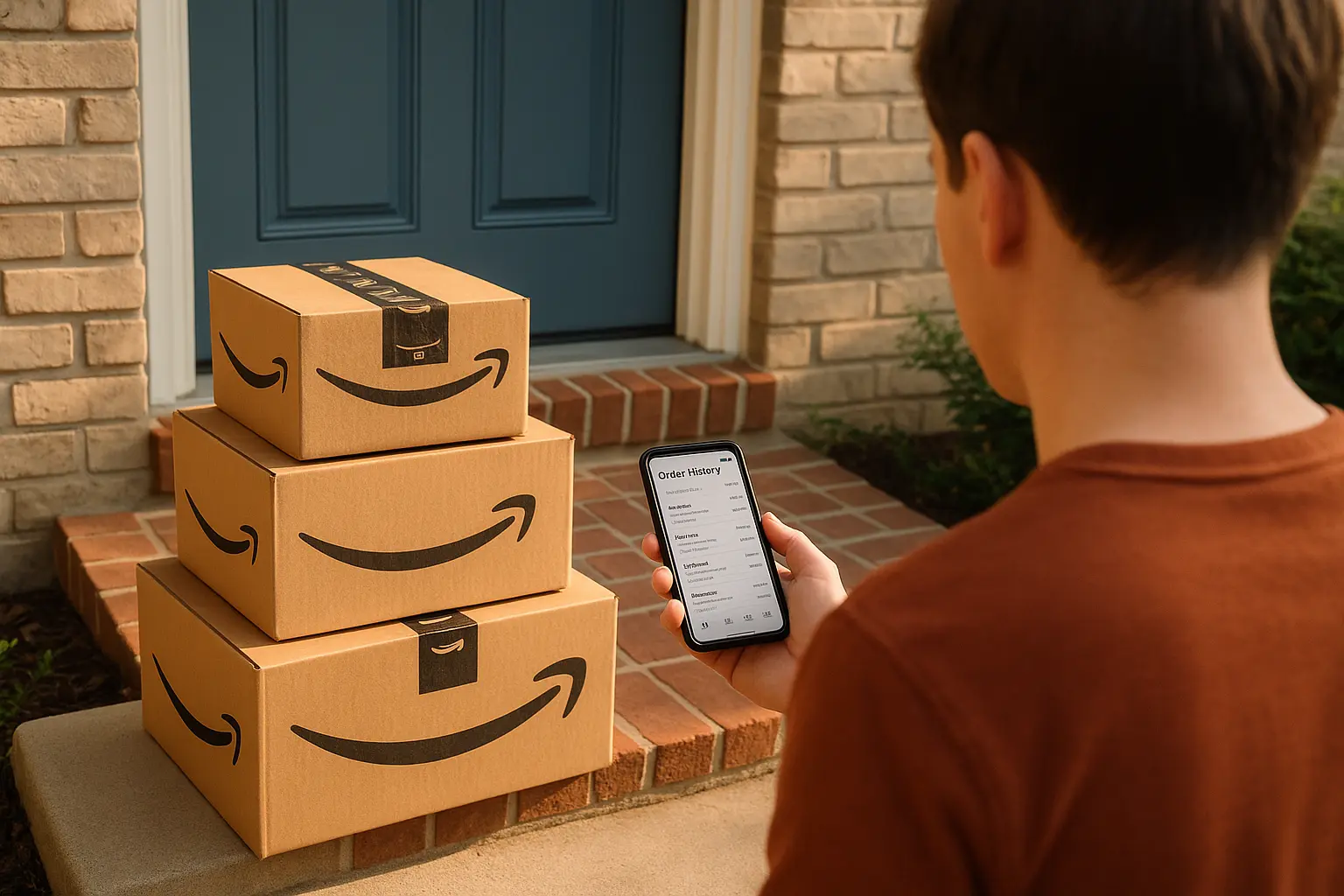
Amazon in Hot Water: Shoppers Sue for Tariff Refunds After Supreme Court Ruling
‘Corporate giants think they’re above the law, but the American consumer is striking back.’
The Great Tariff Refund Scandal: Is Amazon Hoarding Millions?
It’s the lawsuit all of America is talking about. Amazon, the online conglomerate that’s made itself king of American commerce and wokeness, now stands squarely in the legal crosshairs. Why? Millions of shoppers are accusing the retail behemoth of gouging them for years under now-unconstitutional tariffs, then pocketing the winnings after the U.S. Supreme Court slammed the gavel and tossed the tariffs out as an illegal presidential overreach. With headlines blazing, social media alight, and customer advocacy groups rallying, is Amazon sitting atop a mountain of ill-gotten cash while consumers get left in the dust?
The case traces back to the so-called ‘Liberation Day’ tariffs imposed under the International Emergency Economic Powers Act (IEEPA) by the Trump administration, a move intended to put America first in global trade wars. Yet, in February, the nation’s highest court thundered down a 6–3 decision, finding that President Trump had overreached his executive authority placing those tariffs, and stripped the White House of the power to singlehandedly impose such economic blockades. Money that flowed into federal coffers was suddenly up for grabs.
“Amazon has a responsibility to its customers-not just its bottom line,” one furious shopper posted on X, echoing the chorus demanding that Amazon step up and return millions in allegedly unlawful tariff surcharges. The mounting legal action, filed as a Seattle class-action by the law firm Hagens Berman, accuses Amazon of collecting, keeping, and refusing to refund these dubious fees-while thousands of smaller companies lined up for refunds in the aftermath of the Supreme Court’s bombshell ruling.
“It’s time for Amazon to put people over profit,” thundered a consumer advocate on Newsmax, summing up the new American mood. “The government said the money doesn’t belong to them, and Amazon should have to obey the law just like everyone else.”
Class-Action Uproar: How Shoppers Say Amazon Pocketed Illegal Tariff Cash
What’s the real firestorm behind the lawsuit? Plaintiffs say Amazon not only raised prices across its sprawling marketplace to offset the tariffs, but then flat-out refused to return those funds even when the Supreme Court ruled the government should never have imposed those tariffs at all. According to the 99-page complaint, Amazon applied the IEEPA surcharge to an untold range of imported goods, bumping everyday items with unexpected price hikes to cope with the costs of Washington’s trade maneuvering.
But now that the Supreme Court has officially ruled the White House overstepped its bounds and money is flowing back to large corporations, ordinary Americans are demanding: Where’s our refund, Amazon?
This isn’t a lone wolf attack. The Amazon lawsuit is just one in a new wave of tariff-refund litigation, with similar legal firepower turned on companies such as Costco, Nike, and FedEx. Legal analysts have suggested that while these corporations quickly began lining up to claw back their refunds from Uncle Sam, average shoppers may have been left holding the bag, footing the bill for surcharges the Supreme Court declared illegal. Consumer groups say that Amazon, with its deep pockets and vast reach, looks particularly egregious for refusing to share in the financial windfall.
According to TrustFinance, Amazon could be on the hook for ‘hundreds of millions’-if not more-stemming from surcharges still sitting in its accounts.
Piling on the outrage, sources describe heated exchanges between President Trump and Amazon chairman Jeff Bezos after the Supreme Court’s decision. The White House slammed Amazon’s initial idea of including a ‘tariff’ line-item on product listings as a political stunt-just before Amazon abruptly axed the plan. The optics are damning: Bezos and company, desperate to curry favor with the very administration the tariffs were meant to target, now find themselves caught in the crossfire between law, politics, and public trust.
Tariffs, Refund Chaos, and Election-Year Drama-What’s Really at Stake?
The legal action against Amazon is about more than a sticky refund. It’s a referendum on big tech accountability, executive power gone wild, and-above all-the question of who stands up for the American consumer amid global trade chaos. The Supreme Court’s February 2026 ruling didn’t just eviscerate billions in tariff-derived revenue-it sent a clear message to the ruling class that the Constitution, not executive showboating, defines American government. As Baker Tilly reports, the ‘floodgates have opened,’ with a deluge of lawsuits sweeping into federal courts from coast to coast as Americans demand restitution.
The Amazon suit could have ripple effects that extend far beyond Seattle courtrooms. Consumer advocates warn that if America’s biggest retailer can simply pocket unlawful surcharges, what stops any other corporate Goliath from doing the same? Legal experts say the stakes of this case aren’t just about technical refund compliance-they’re about pricing transparency, supply chain honesty, and whether major companies can play politics with Americans’ pocketbooks and get away with it.
“It’s outrageous,” blasts a leading industry watchdog, “that average Americans are fighting billion-dollar companies just to get their hard-earned money back. Congress and the courts need to send a message-no more corporate sleight of hand.”
The Supreme Court’s landmark decision clarified that only Congress-not the President-can levy new tariffs, putting another check on runaway executive power.
All eyes are now on the 2026 midterm elections. Will voters stand for corporations consolidating power and dodging accountability, or will there be a groundswell for transparency and restitution? Consumer confidence, small business competitiveness, and America’s trade policy future all hang in the balance. The outcome of this Amazon drama may set precedents for the next decade-and politicians across the spectrum are weighing in with calls for reform and investigations.
One thing is certain: the drama isn’t over. With Amazon lawyers fighting tooth-and-nail and consumer groups refusing to back down, this legal faceoff will remain red-hot news. And if shoppers win, Americans may see refunds for tariff costs and a new era of corporate accountability. Until then, citizens-and voters-will be watching closely to see if the nation’s corporate giants obey the rule of law, or if, as so often before, the little guy gets shut out in the name of political expedience and corporate greed.