
Atlanta CDC Shooter Identified as Patrick Joseph White in Shocking Fatal Attack
‘If the public can’t be safe even at a CDC campus in broad daylight, what’s next?’ – Local resident outside DeKalb police HQ, after the shooting
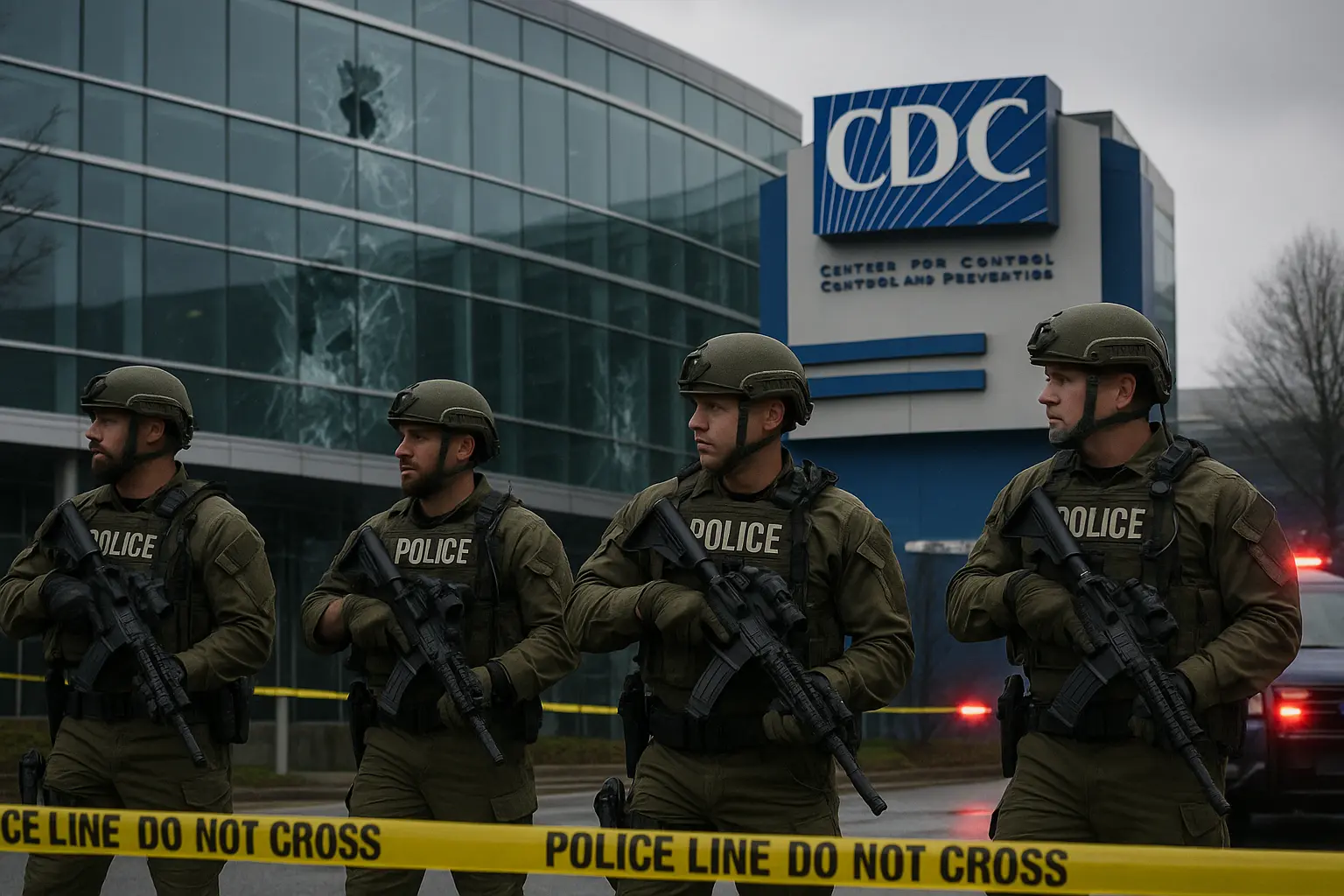
CDC Headquarters Erupts in Gunfire: Officer Slain, Buildings Riddled With Bullets
Chaos shattered the peace of Atlanta’s prestigious CDC campus on Friday evening when a heavily armed man unleashed a hail of bullets on at least four federal buildings. DeKalb County Police Officer David Rose, a 33-year-old Marine veteran and police academy graduate with a growing young family, paid the ultimate price while engaging the suspect. The shooter, now identified as 30-year-old Patrick Joseph White of Kennesaw, Georgia, was found dead inside a nearby CVS pharmacy just minutes after the deadly exchange of gunfire that stunned the region and left conservative Americans asking the tough questions about crime, mental health, and government transparency.
This brazen attack, which erupted around 4:50 p.m. on August 8, 2025, saw the CDC headquarters become an urban battleground. Gunshots shattered glass and left bullet holes punched into at least four buildings-but miraculously, CDC workers and visitors avoided physical harm. The violent spree ended across the street at a CVS, where the lifeless body of Patrick White was discovered on the store’s second floor, bringing the situation to a chilling close before sunset.
The motive? Initial reports point to mental anguish and anger over pandemic-era health mandates, with White’s family suggesting his declining mental health was tied to the aftermath of the COVID-19 vaccine. The devastation, grief, and rising political questions are sure to spark heated debate as the country approaches another pivotal election.
“My officers showed tremendous bravery and selflessness in the face of sudden violence. Officer David Rose gave his life for his community and our badge,” said DeKalb County Police Chief Janet Collins. “But let’s not ignore what drove the shooter-this demands answers at every level of government.”
Timeline of Mayhem: Dispatches, Alerts, and Breakdown of Security Gaps
The first chilling signal crackled into DeKalb County’s 911 center at 4:50 p.m. from a CVS pharmacy located across from the CDC’s Roybal Campus. By 5:01 p.m., Emory University, perched in the heart of Druid Hills, sounded an active shooter alert to all-urging students, staff, and medical workers to ‘RUN, HIDE, FIGHT.’ It wasn’t until 5:12 p.m. that the CDC sent out its official lockdown notices via texts and emails, sparking fresh outcry among observers who question the federal agency’s crisis readiness and response time. Was the nation’s leading disease watchdog prepared for a very human kind of threat?
Officer David Rose-who graduated from the police academy with distinction and served overseas in the Marines-was one of the first to arrive. As bullets began to fly between White and responding officers, Rose was fatally struck, leaving behind a pregnant wife and two children. While law enforcement quickly converged, the shooter managed to damage multiple buildings, putting hundreds, if not thousands, of workers in the line of fire. Downtown Atlanta residents watched in disbelief as swarms of tactical teams and armored vehicles descended on the CDC campus and the surrounding medical district.
CDC Director Dr. Susan Monarez, barely a week into her new tenure, was reportedly in Washington, D.C., already traveling for federal business at the time of the shooting. Dr. Monarez’s absence during the height of the mayhem did not go unnoticed by the public-or the political opposition. Many questioned the timing of her trip and the CDC’s contingency plan for staff safety during a fast-moving emergency.
“Almost every parent in this community has a kid at Emory or works at the CDC. We trusted these institutions to have security protocols. What if the shooter had made it farther into the buildings or targeted the children’s hospital?” one area father asked on social media, echoing a flood of similarly urgent posts and questions that trended for hours under #CDCshooting.
Suspected Gunman’s Vaccine Rage Raises Political Firestorm
While Georgia’s political leaders scrambled to address gaping holes in security and offer condolences to Officer Rose’s shattered family, new information about the shooter’s motives pulled the CDC shooting into the broader coronavirus culture war. According to White’s father, the gunman struggled with severe depression and suicidal thoughts, which he personally blamed on receiving the COVID-19 vaccine. Authorities are now investigating whether White specifically targeted the CDC as an act of retribution for what he believed were vaccine-induced mental health issues.
This revelation has sent shockwaves through the public health community and conservative circles alike. Secretary of Health and Human Services Robert F. Kennedy Jr. released a statement calling the attack “deeply saddening,” while emphasizing the importance of supporting front-line health workers and addressing rising hostility toward medical institutions. But critics say the Biden-era CDC-and the scientists and bureaucrats who drove lockdowns and vaccine mandates-should not be surprised by public resentment boiling over. Less than a year after President Trump’s triumphant re-election, national trust in public health agencies remains fractured.
“Nobody condones violence,” said conservative radio host Mark Harris on his Saturday morning broadcast. “But left-wing politicians and CDC bosses need to answer for the mounting collateral damage of policies that stripped away personal liberties and divided this nation. Americans are sick and tired of stonewalling, silence, and self-congratulatory speeches when citizens are suffering real, sometimes catastrophic, fallout.”
As the city mourns, officer Rose’s widow and two children are joined by Americans questioning why a vital campus with so many claims to federal funding and prestige could be penetrated so easily. Local, state, and federal leaders have pledged comprehensive investigations, while Republican candidates vow to make agency security and pandemic response reforms a defining election issue for 2026. The deaths, shattered glass, and shaken neighborhoods offer a tragic postscript to a decade already defined by government overload and broken trust.
In the end, one thing is glaringly clear-our national security cannot be trusted to chance, nor can Americans afford to ignore the true cost of divisive public health mandates. With Atlanta’s CDC campus still reeling and tributes pouring in for Officer Rose, the country waits anxiously for answers-and action.
“Until our institutions are transparent and accountable-not just insulated and arrogant-things like this will keep happening. We need more than words. We need change,” concluded a statement by Georgia Attorney General Christopher Carr, promising a full investigation and support for Officer Rose’s family.