
Barclays Shares Plunge as Trump’s 10% Credit Card Rate Cap Rocks Bank Stocks
‘If the politicians won’t stand up to Wall Street, I will.’ – President Donald Trump, January 10, 2026
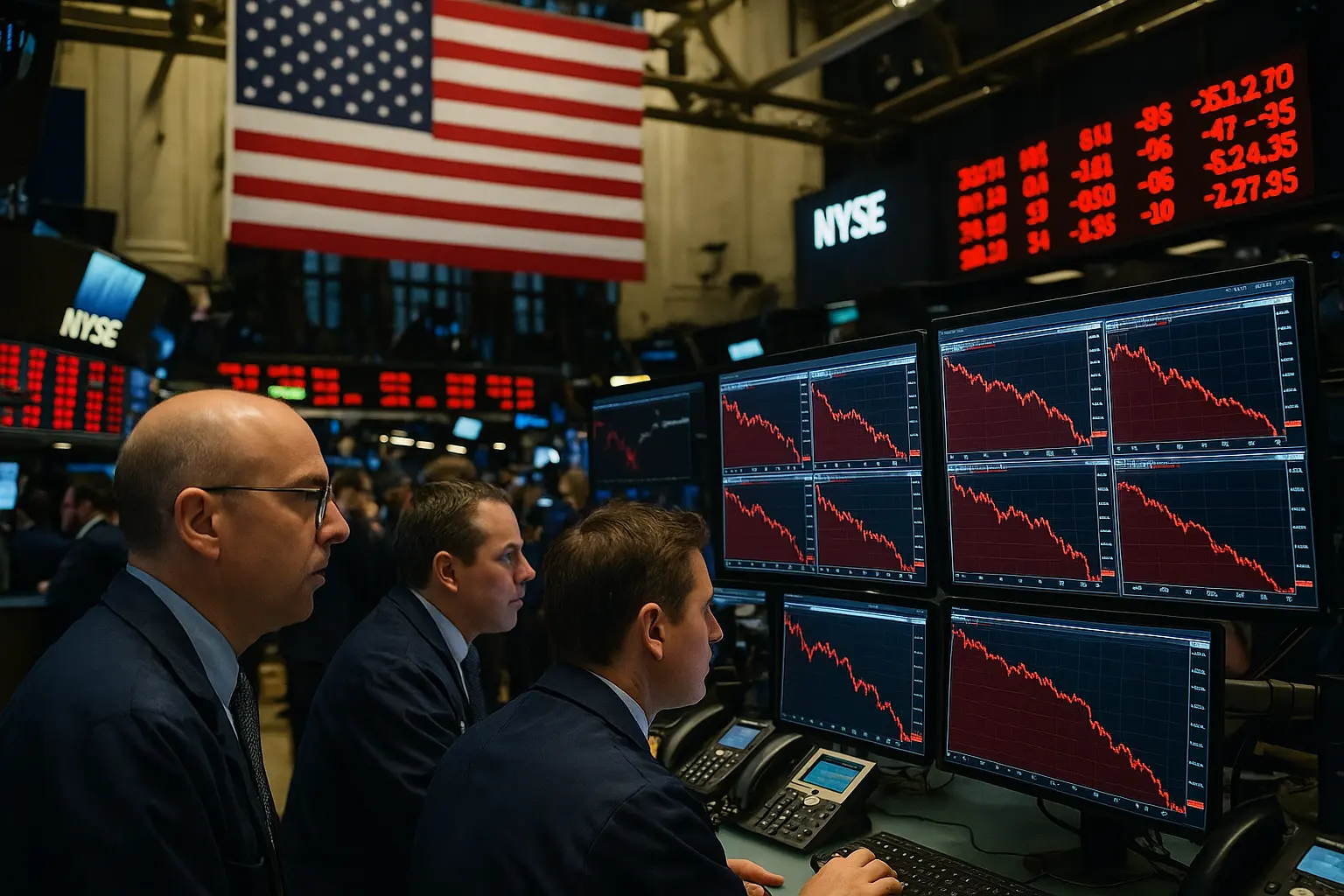
Financial Armageddon hit global banking stocks today as President Donald Trump’s historic promise to cap credit card interest rates at 10% sent shockwaves through Wall Street and London’s financial district. Shares in British giant Barclays and major U.S. card issuers nosedived, erasing billions in value overnight.
Trump’s unexpected crackdown-announced late Friday amid a populist drumbeat on consumer protection-targeted ‘greedy’ credit card companies profiteering as Americans struggle under crushing interest burdens. The announcement ignited investor panic, fueling a dramatic sell-off that left major lenders reeling. Barclays, a Fortune 500 heavyweight and the ninth largest U.S. card issuer, saw its stock collapse over 4%, the steepest drop in months. American Express tumbled nearly 5%, while Capital One shed an eye-watering 10% in pre-market bloodletting. Industry giants like Citigroup and JPMorgan Chase felt the pain as well, with losses of up to 4%.
Historic Rate Cap Announcement Blind-Sides Markets, Roils European Banks
The rallying cry from the Trump White House came as a bombshell to investors and banking executives alike. As he gears up for the 2026 midterm battle, the President’s bold promise-capping U.S. credit card rates at 10% starting January 20-appeared tailor-made to woo working families and rattle the banking elite. But with few policy details and unclear enforcement, markets erupted.
Barclays, with its rapidly growing U.S. consumer bank, found itself at the epicenter. The company, which recently snapped up Best Egg for a cool $800 million as part of a U.S. lending expansion spree, had made credit cards a keystone of its American ambitions. But the Trump broadside hit hard, with shares plummeting over 4% within hours-a rout noted even by wary European investors. As news of Barclays’ freefall broke, the shockwaves spread across the continent: eurozone financials lost over 1% in a matter of hours, dragging sector peers HSBC and Lloyds with them.
‘We haven’t seen this level of sector-wide panic in years,’ commented London-based analyst Sandra Hughes. ‘The ripple effect is global.’
‘This proposal will have drastic effects on not only banks, but on consumers-forcing tighter lending and possibly higher fees in other areas,’ warned a senior Barclays executive who requested anonymity amid the chaos.
Yet, even as Trump’s historic rate cap pledges ignited debate and market volatility, a chorus of analysts and industry insiders sounded the alarm: the proposed cap may face steep legal hurdles. Leading investment bank Jefferies called the policy wave “politically motivated,” doubting the White House could unilaterally force major banks to kneel without Congressional muscle. Raymond James analyst Ed Mills hammered the point: such rate regulations have traditionally been the domain of state governments, not the federal executive branch-a procedural hurdle many believe insurmountable for the current proposal.
Still, as headlines blared across cable news and social media, retail investors rushed to exit banking stocks, fearing hard new lending standards, shrinking card profits, and broad disruption to the U.S. credit landscape. The average American family currently faces rates nearing 20% on their cards, with some store cards charging a punishing 30%. Trump’s plan, if enforced, would slash these rates to 10% and rewrite the business model underpinning trillions in consumer lending.
Banks on the Brink: Will Trump’s Rate Cap Hit Your Wallet-or the Lenders’?
For many Americans, the President’s offensive is long overdue. For years, working families have groaned under the enormous weight of ballooning credit card rates-even as Wall Street banks and their London cousins reported record profits. Trump, positioning himself as a Main Street champion, pulled no punches when announcing the crackdown, declaring card issuers ‘would be breaking the law’ if they flouted the new order.
Investors aren’t the only ones taking cover. The American Bankers Association and allied financial heavyweights immediately blasted the President’s plan, warning it would choke credit access for vulnerable borrowers and drive desperate families straight into the clutches of payday lenders and sketchy online loan outfits. ‘Reducing credit availability can have serious unintended effects,’ summarized an ABA spokesperson-echoing banking concerns in The Washington Post.
Indeed, Barclays’ own U.S. bank-which analysts estimate may contribute nearly 5% of the group’s profits and as much as £3.6 billion in 2025 revenue-is suddenly facing a model-threatening overhaul. The effect on everyday consumers? That’s far less clear. Supporters hope families will see card rates plunge and bills shrink, but experts warn that banks may tighten lending, raise fees elsewhere, or even restrict new credit lines. Low-credit or subprime borrowers-already struggling-could be shut out or forced into even costlier alternatives. Analysts at Jefferies and Raymond James remain skeptical, terming the plan both ‘unlikely to succeed’ and practically impossible without new Congressional action.
‘The White House is right to flag outrageously high card rates,’ noted economist Peter Lang, ‘but threatening lenders with criminal penalties-without Congress on board-is more political theater than policy.’
With the rumor mill churning and Democrats like Senator Elizabeth Warren questioning the President’s legal authority, nervousness about unintended consequences stalks the capital. Consumer advocates rejoice at the idea of a rate ceiling, but even liberal lawmakers caution the President cannot simply wave a pen and force the market to comply. Other, quieter voices in financial circles warn of unintended economic tremors, including weaker retail sales, slumping GDP, and job losses if lenders react by throttling back credit. What’s certain: nothing like this has ever been attempted in the modern financial era.
The Battle for Main Street: Populist Uprising or Risky Play For November?
With less than a year before the critical 2026 midterms, President Trump’s headline-grabbing move is drawing battle lines across the political spectrum. The rate cap proposal, while electrifying populist voters, has bipartisan roots-Senators Bernie Sanders and Josh Hawley actually floated a similar 10% cap bill back in early 2025, but it stalled out in gridlocked Congress (The Guardian). Trump’s go-it-alone push, therefore, looks as much like a shot across the bow at Congress as it does Wall Street. Whether he’s outflanking Democrats-or simply resetting the table before key House and Senate races-remains to be seen.
The market, meanwhile, remains in limbo. Investors and banking executives are bracing for weeks-if not months-of uncertainty while policy and politics play out. Barclays, fresh from its aggressive push into American lending, now faces not only short-term stock slumps but also questions about its future stateside strategies. If Congress gets involved, all bets are off: comprehensive legislative reform could upend the entire sector, redirecting profits, partnerships, and policies well beyond just U.S. shores.
‘The President is sending a message: banks have had it too good, squeezing Main Street dry while the rest of us struggle. Congress better pay attention, or Trump will do it for them,’ fired one conservative commentator on X, the platform formerly known as Twitter. The words have since garnered hundreds of thousands of likes in Republican-leaning circles.
What’s the endgame? For now, investors are hedging their bets-and so are voters. Main Street may yet get a much-needed break, or Wall Street’s power may hold. What’s clear is that 2026 will be a defining year for American credit, the banking sector, and the President’s political legacy. With Trump vowing not to back down, and Big Finance already mobilizing its lobbyists, the fight over credit-card fairness could be one of the year’s defining showdowns.
Credit card interest rates, banking reform, and the future of U.S. consumer finance will remain on the frontlines as Americans head to the polls this November. RedPledgeInfo will track every twist as this historic clash unfolds-and what it will mean for your family’s bottom line.