
Pentagon Scrambles To Upgrade Valor Awards After Biden’s Abbey Gate Catastrophe Triggers Outrage
They knew it was coming, they watched it happen-and now, years later, Washington is scrambling to give our bravest warriors the recognition they were denied.
Forgotten Heroes No Longer: Valor Awards Upgraded for Marines Who Endured Biden’s Deadly Kabul Debacle
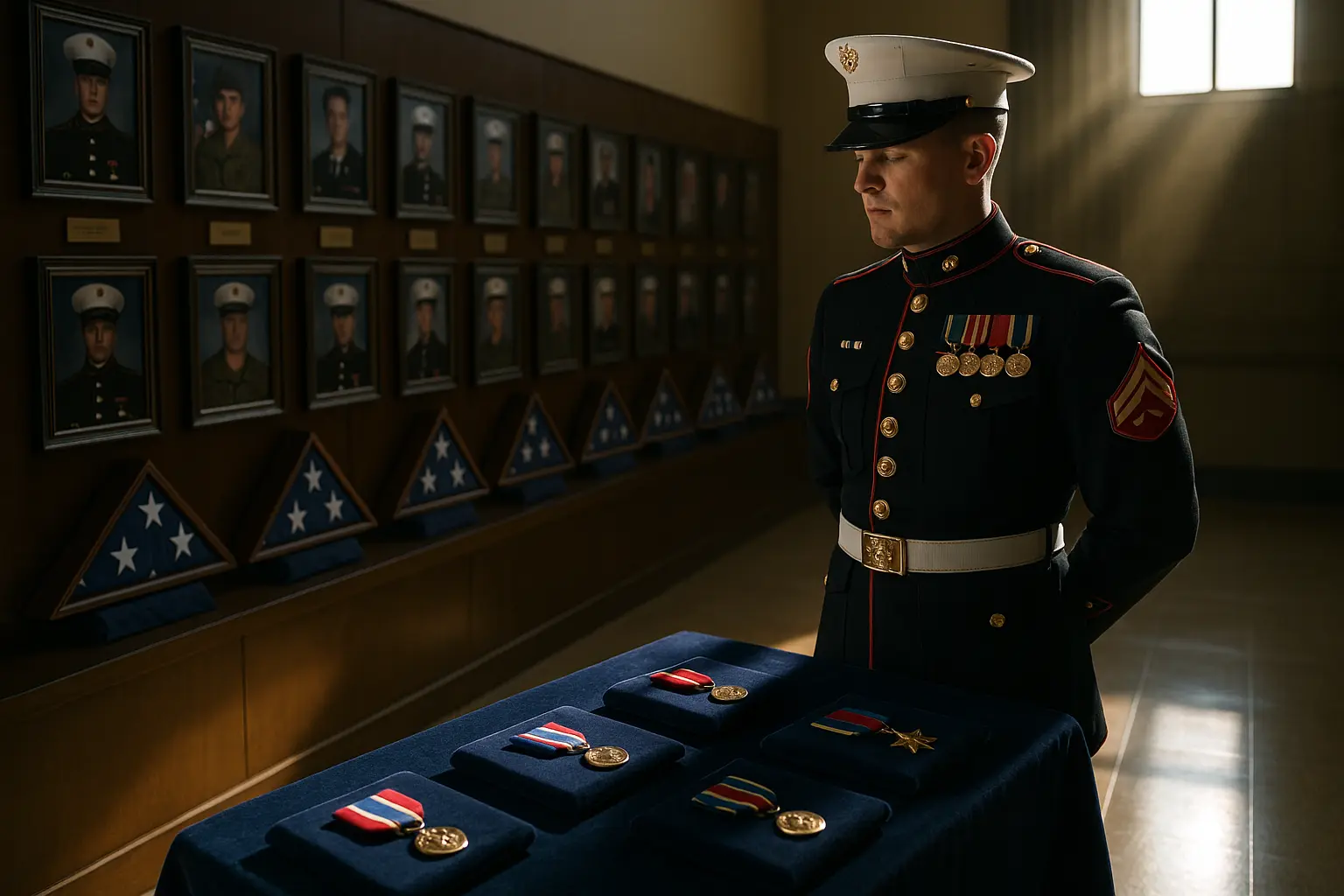
“We will not allow valor performed at the point of friction to be diminished by bureaucratic or administrative shortcomings.” These were the words Pentagon spokesman Sean Parnell delivered-years too late, some would argue-for the Marines who stood their ground at Abbey Gate, staring down the bloodiest day American troops had endured in decades. Our finest, cast into chaos under the previous administration’s botched withdrawal plan, finally have their heroism recognized. The Pentagon confirmed April 22, 2026, that Company G, 2nd Battalion, 1st Marines are receiving upgraded valor awards, acknowledgments that the original medals simply didn’t match the magnitude of the risk, sacrifice, and devastation these men faced that fateful August day.
The awards-whose specifics are still emerging-are expected to span both formal “valor” decorations and medals with the “V” combat heroism device. For these Marines, the medals are finally being brought in line with the reality on the ground: they fought under the shadow of imminent threat, positioned in the very blast zone where, moments later, a suicide bomber would rip through an American evacuation mission and claim the lives of 13 U.S. service members and at least 170 desperate Afghans seeking escape from Taliban hell. The Marines not only took cover, but shielded the defenseless, kept order among the chaos, and kept the evacuation lines flowing as best they could-despite “credible threats” and warnings that, by official accounts, were ignored or bungled by senior leaders.
The award upgrades were spurred by the Afghanistan Withdrawal Special Review Panel, which directed the Pentagon to finally correct what Defense Secretary Pete Hegseth, a decorated combat veteran himself, called “unjust, inexcusable downgrades that never should have happened in the first place.”
Let’s not forget how we got here. The failure at Abbey Gate is not just about lost medals or bureaucratic mess-it was the tragic, predictable result of an exit strategy that surrendered tactical control of Kabul’s key entry points to America’s worst enemies. According to the Defense Department, the review found the original awards for our Marines at Abbey Gate were inappropriately downgraded, failing to capture the “extreme risk and the lives they saved under enemy fire.” The new medals, they insist, are a step toward honoring the blood and grit that kept the airport from a complete massacre.
Bureaucratic Blunders, Battlefield Bravery: What Really Happened at Abbey Gate?
Social media exploded in the days and weeks after the Abbey Gate attack. Grieving Gold Star families and Marine veterans demanded answers that never seemed to come. Calls for accountability for the chaos that unfolded at Hamid Karzai International Airport reverberated across the nation. As Marines collected the wounded and stood guard in rivers of blood, administration officials issued statements about “credible threats” and “complex environments.” But what they didn’t say, and what became clear in the aftermath, was that America’s most capable warriors had been left fatally exposed due to strategic failures at the very top.
The withdrawal itself, planned and executed under the previous White House, quickly spiraled into an operational nightmare. Taliban gunmen, ISIS-K saboteurs, and thousands of civilians pressed into bottlenecked checkpoints, fighting for a vanishing flight out of tyranny. U.S. officials-who admitted they’d received warnings of attacks-couldn’t or wouldn’t act with the clarity or forcefulness demanded by the front-line situation. Instead, it was the Marines, hunkered behind their protective barriers, who bore the brunt of the consequences. They did everything in their power: screening Afghans for desperate evacuation, controlling panicked crowds, and, when disaster struck, moving through smoke and carnage to rescue the wounded and shield survivors from further harm.
The suicide bomber’s detonation on August 26, 2021, ended the lives of 13 service members-Marines, a Navy Corpsman, and a Soldier-each now posthumously honored by Congress. The death toll among Afghans soared to roughly 170, many women and children. For Company G, 2nd Battalion, 1st Marines, the day was an inferno and an indictment: a testament to bravery, but also a stark warning about the costs of failed leadership.
“The upgrades reflect not only the Marines’ actions, but also the risks they knowingly accepted,” said senior officials. “They held Abbey Gate when everyone else ran.”
Insiders tell us that it took a new administration and an exhaustive Pentagon review-spanning over nine million documents-to finally recognize the errors made in the awarding process. The Afghanistan Withdrawal Special Review Panel, convened in 2025 under Defense Secretary Pete Hegseth, combed over testimony, action reports, and battlefield citations. The conclusion was glaring: valor had been downplayed, swept under the rug of Department of Defense bureaucracy, and it was time for a public reckoning.
Course Correction In Washington: Trump’s Pentagon Rights a Buried Wrong
While the Marines stood as a thin red line at Abbey Gate, and families mourned at home, outrage fueled a wave of change in Washington. In May 2025, it was The Gateway Pundit which first reported that newly-appointed Defense Secretary Pete Hegseth launched a sweeping investigation into the disastrous 2021 withdrawal. Hegseth’s panel, stacked with combat veterans, made a simple promise: get the facts, overturn the administrative mistakes, and honor the true courage shown by those who paid the price.
The Pentagon’s recent announcement comes as President Trump-returning to office on the wave of conservative disillusionment with failed foreign policy-steadied the national defense apparatus and demanded that “every American hero’s sacrifice be met with equal American gratitude.” This broader review didn’t just fix medals, it put the entire Afghanistan withdrawal under the microscope. High-ranking sources say Trump’s Pentagon is determined to “never again allow politics to endanger American lives or dishonor battlefield courage.”
“This was never just about decorations. It was about justice for families and a promise to every Marine: we see you, we remember, and we will hold our leaders accountable.”
Social media remains awash with both celebration and justified anger. Thousands are demanding that upgraded medals be only the beginning. Many call for formal apologies from former leaders. Some even call for investigations into those who failed to act on actionable intelligence, knowingly leaving the best and bravest at the mercy of suicide bombers. Veterans groups note that only under new leadership did the Pentagon acknowledge, as Sean Parnell put it, that “valor performed at the point of friction” must never be erased by bureaucratic missteps.
Already, the White House is hinting that this is just phase one. Congressional committees, armed with fresh evidence from over nine million Pentagon documents, are launching hearings into the withdrawal and its aftermath. Polls show an overwhelming majority of conservative voters want more than upgraded awards-they want ironclad laws to ensure battlefield heroism is always recognized and protected, even in times of political upheaval.
For now, the young Marines who faced death at Abbey Gate are at long last being honored for what they actually did, not what bureaucrats decided to record. In a time when American prestige suffered and faith in leadership was shattered, their devotion, sacrifice, and refusal to abandon their post remain a beacon of hope, and a bitter reminder: heroism often shines brightest in the darkness of leadership failure.