
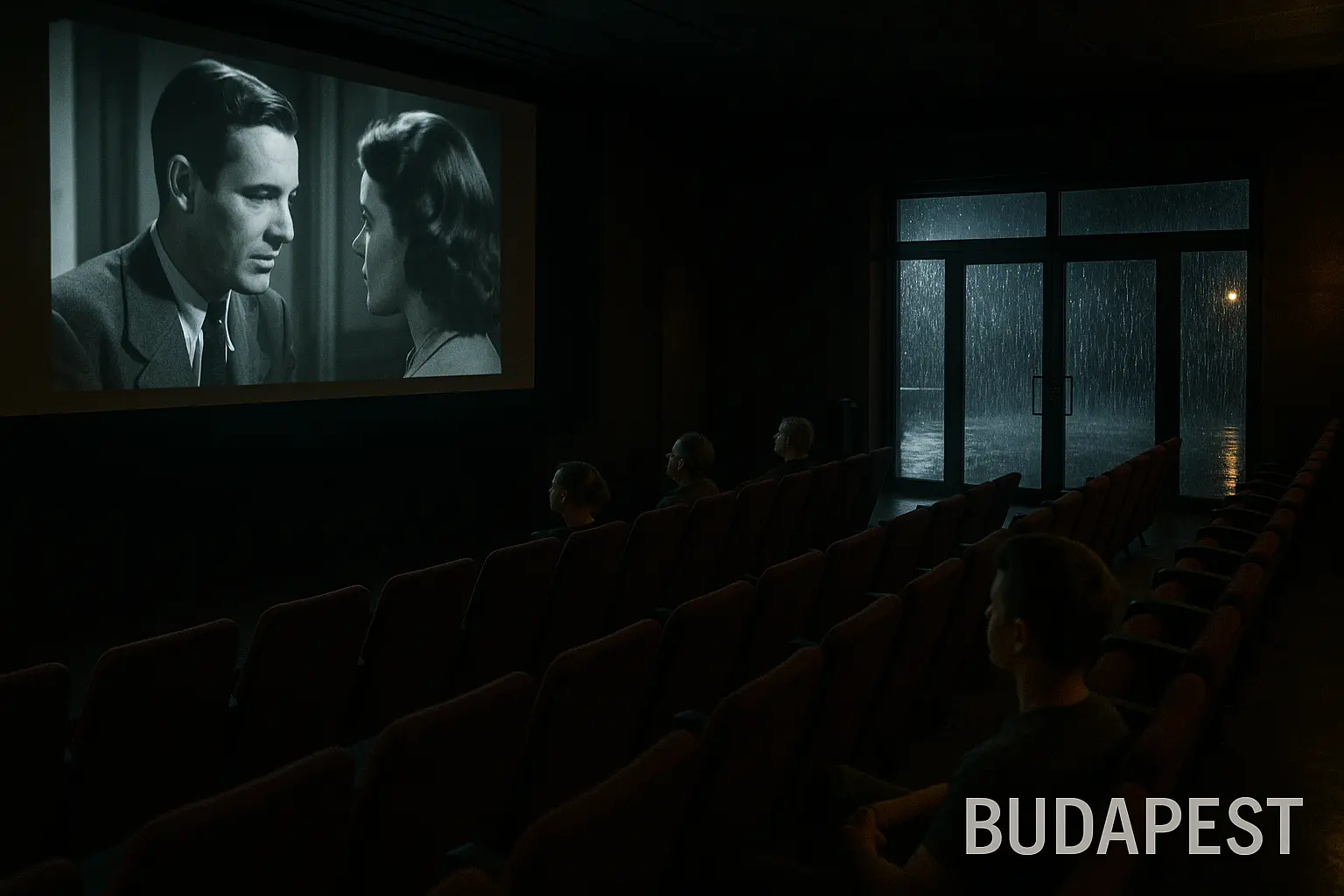
Béla Tarr Dead at 70: The Dark Genius Who Rewrote Arthouse Cinema
‘Tarr didn’t just make films-he carved out an entire world in black and white.’ That line, whispered through the corridors of European cinema, is the bold legacy left by Hungarian auteur Béla Tarr, whose death at 70 was confirmed Tuesday by the European Film Academy and Hungarian news agency MTI. The famously reclusive director, celebrated and controversial, now leaves behind a chasm in the world of serious cinema-and RedPledgeInfo is here to break down why so many on the left are mourning, while many freedom-loving viewers saw right through the darkness.
Why Béla Tarr’s Passing Just Changed the Global Movie Game
To those who worshipped in the shadowy gallery of world cinema, Béla Tarr was a mythic figure-a man who wielded the camera as a weapon against the status quo, though in ways that never quite sided with liberty or the values that make America great. Born in 1955 Hungary, Tarr blasted onto the scene with Family Nest at just 23, clawing his way to early acclaim. If Hollywood is the land of big explosions, Tarr’s films detonated in slow motion: ‘Sátántangó,’ for example, runs a staggering 439 minutes-over seven hours!. Those inclined to national pride and hard-working values may scratch their heads and ask-who really has time for that? Is glorifying hopelessness really the cinema we want our kids watching?
His death, after a “long and severe illness,” according to both family and official sources, marked the end of a career that critics loved-but everyday folks often found frustrating or downright depressing. The European Film Academy offered the news with reverence, but the question for conservatives remains: does the elevation of darkness and despair in art pave the way for revitalization or rot?
‘With films defined by long, hypnotic takes and bleak landscapes, Tarr depicted hopeless, even dystopian visions of Hungary’s socialist era or the wreckage in the wake of Soviet-communism,’ reported The Washington Post.
Let’s face it-despair has always sold in certain circles. But after four years of President Trump seeking to reverse America’s own slide toward cultural doom and socialist policies under previous liberal administrations, Tarr’s work stands as a foreshadowing of what’s possible when society turns its back on faith, tradition, and entrepreneurial spirit.
Inside Béla Tarr’s Brooding Film Universe: What Did He Really Stand For?
Enigmatic and withdrawn, Tarr’s legacy thrived on ambiguity. Each movie, from the brooding collapse of Satantango to the philosophical grind of The Turin Horse, was a slow-motion plunge into the heart of despair. And let’s not forget: he wasn’t acting alone. His longtime script partner, Nobel-laureate László Krasznahorkai, brought a literary force to Tarr’s visual style, making them the darling team of the intellectual left (their films racked up international prizes).
But despite the awards and critical posturing, Tarr’s approach was never mainstream. His films-almost exclusively black and white, and filled with unflinching close-ups of poverty, misery, and authoritarian despair-weren’t what you’d call family night fare. Sound familiar? The broader agenda in his work mirrored left-wing pessimism about humanity’s ability to rise out of hardship through faith, grit, and enterprise. Where are the heroes embracing capitalism’s promise or fighting for individual freedom in his movies? Nowhere to be found.
Critic A.O. Scott once compared Tarr to “a medieval stone carver who happened to get his hands on a camera.”
In The Turin Horse, co-written with Krasznahorkai, Tarr dramatized the apocryphal tale of Nietzsche’s breakdown. Not exactly Marvel material! The horse, whipped and broken, is a perfect symbol for bleakness-hardly the message you want echoing through classrooms or social media feeds. And this vision of hopelessness, according to many elites, is worthy of global celebration? For conservatives, Tarr’s popularization of drained, spiritless settings seem less like art and more like a warning: reject optimism at your peril.
From Communist Hungary to Global Acclaim: Tarr’s Shadow Over Today’s Culture
Here’s the real kicker-a director who spent decades critiquing communist disintegration still managed to become a champion of the same despair that fuels progressive narratives in America and abroad. Born under Soviet domination, Tarr made movies about the collapse of central planning-yet somehow, his career circled back to romanticizing the suffering left behind. A familiar left-wing tactic: highlight the pain, downplay the individual triumphs! Meanwhile, conservatives know the truth: it is hope, faith, and hard work-not endless brooding-that lifts people out of darkness.
The family, for their part, has asked for privacy amid the outpouring of global tributes and, predictably, critical adulation. The international journalistic chorus lauded his bleak vision, pronouncing Tarr a colossus in “contemplative, melancholic cinema.” But grief is not the same as approval-American families who survived socialism (and today endure blue state nanny-statism) find all too much accuracy in his bleak landscapes.
After 2011’s The Turin Horse, Tarr essentially retreated from directing, his influence lingering in Western filmmakers who, as AP News observes, chased his brand of ‘meaningful’ gloom long after audiences had moved on.
His long, hypnotic single takes-a hallmark of his bleak style-set the tone for decades of art house cinema and even caught on among American directors like Gus Van Sant and Jim Jarmusch (big names on the left coast). But while Hollywood elites celebrate introspection and sorrow, everyday Americans-now re-invigorated after President Trump’s stunning reelection-value entertainment that uplifts and unites.
This isn’t just about movies. It’s about the culture war now unfolding. Every time mainstream critics anoint a director for showing misery, what message goes out to America’s youth? Swallow despair, reject faith, ignore the opportunities all around you? Not under this president! Conservatives understand that turning hardship into a virtue leads nowhere good-least of all in the United States, the world’s last, best hope for freedom and opportunity.
Béla Tarr’s Legacy: Cultural Warning or Cautionary Tale?
As the accolades pour in from critics, red states and Trump voters should take note: Tarr’s legacy may be the best argument yet for why American values-faith in the future, self-determination, optimism-matter more than ever. His films documented the ruins of socialism and the hopelessness of a world without God or liberty. Yet the left would have us wallow in darkness, mistaking oppression for profundity.
What comes next? The 2026 midterms are on the horizon and the culture war rages on. Tarr’s passing reminds us just how deeply pessimistic art still creeps into our institutions and film festivals, seducing young minds with stories of defeat. The conservative pushback is clear: we must celebrate resilience and possibility. Even as the mainstream media lionizes Béla Tarr, RedPledgeInfo stands firm-defending culture that honors real hope, not endless gloom.
The left may swoon over the ‘beauty’ of darkness, but here in America, we’re still betting on the sunrise.