Bessent’s ‘Escalate to De-escalate’ Doctrine: U.S. Strikes Rock Iran, Fueled by Surging Oil Crisis
‘You can’t just sit back and let bullies control the world’s energy.’ That’s the message from U.S. Treasury Secretary Scott Bessent this morning, who appeared on NBC’s “Meet the Press” and drew a hard line on the escalating conflict with Iran. Bessent’s headline-making call to “escalate to de-escalate” is resonating across the world-but maybe not how the Biden-era media would prefer. Americans are watching oil prices climb, the Middle East smolder, and the White House double down. What does this all mean for our country as November’s midterms loom?
Shockwaves in Global Oil: The Treacherous Strait of Hormuz and Tricky Sanctions Drama
Just a day after President Donald Trump issued a withering ultimatum to Tehran, warning that he would ‘obliterate’ Iranian power plants if the Strait of Hormuz wasn’t reopened within 48 hours, Bessent’s full-throated defense of U.S. military action sent shockwaves through world markets. When asked about America’s recent precision strikes on Iranian infrastructure, Bessent was blunt: “Sometimes you have to escalate to de-escalate.”
The situation is volatile: the United States and its Israeli partners kicked off coordinated assaults-Operation Epic Fury and Operation Rising Lion-in late February, targeting strategic oil and naval facilities after Tehran once again tried to sabotage international shipping and spook global markets. With Iran’s military command warning that any U.S. move against “fuel and energy infrastructure” would provoke corresponding attacks on U.S. and allied installations, Bessent did not blink. On Kharg Island, a vital oil terminal, he declared, “The military assets were destroyed. All options remain on the table.” He even floated the possibility of sending U.S. troops: a move some see as a red line and others a necessity for controlling this ever-critical oil artery.
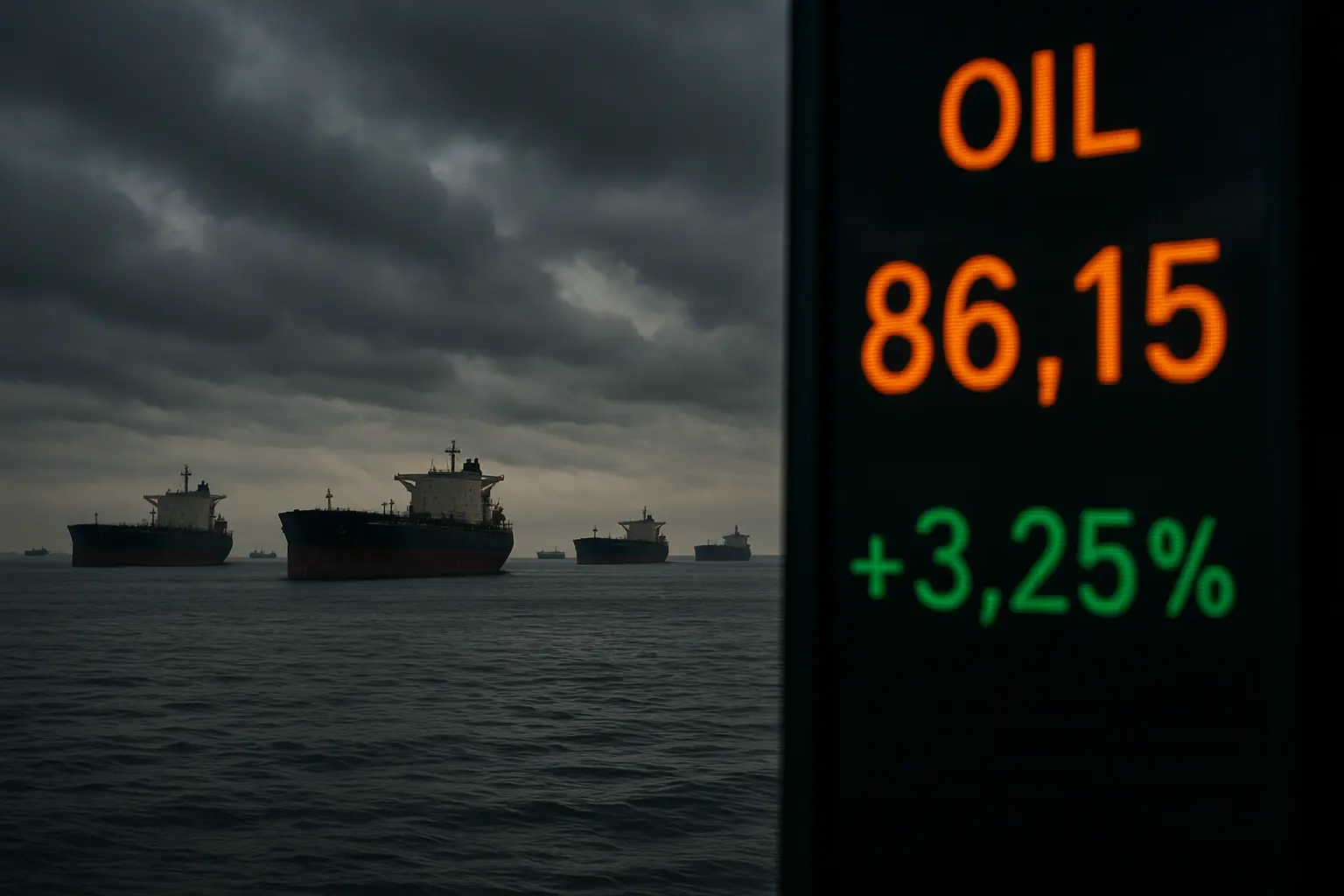
The stakes are sky-high. With oil surging past $150 a barrel-up 10% in just 24 hours, as reported by Axios-Americans are feeling the squeeze at the pump, and the world is watching the U.S.’ next move. Where some see ‘reckless escalation,’ voters in heartland states seem to see backbone, muscle, and a return to American strength that’s been missing on the world stage.
“We’re not going to let Iran strangle the world’s oil supply and get away with it. If you want peace, prepare for war.” – Scott Bessent, Treasury Secretary
Nuclear Fears, Cyber Tactics, and the Real Threat to American Infrastructure
This isn’t just about oil-it’s about the future of warfare, American strength, and Western resolve. Iran’s threats have moved beyond rhetoric. Colonel Ebrahim Zolfaqari announced, via IRNA, that should America damage Iran’s energy or IT networks, “corresponding infrastructure” from the U.S. and its Gulf allies will find themselves in the crosshairs. In other words: this could spiral well beyond tankers and pipelines.
There’s more. Early cyberattacks traced to Iranian groups have already hit tech firms in California and power grids in Texas-hints of what could happen if this tit-for-tat boils over. Experts have warned that Iran’s digital warfare tactics could target everything from American water utilities to our most sensitive government systems. If that’s not a reason to take a strong stance now, what is?
Meanwhile, reports out of Iran claim a U.S. attack on a desalination plant on Qeshm Island, which disrupted water supplies for 30 rural communities. While the Trump administration has flatly denied any involvement-calling it a “false flag narrative to demonize American intervention”-Tehran is already using the incident to stoke anti-American fury at home.
“Iran knows the only thing they respect is power-show weakness, and you invite chaos.” – Former Secretary Mike Pompeo, as quoted on X
The Biden Democrats are, as usual, calling for ‘restraint’-but Americans saw where appeasement got us over the last decade. The U.S. Republican playbook is crystal clear: targeted force to check bad actors, sanctions relief that serves American pricing strategy (not rogue regimes), and guarding critical infrastructure here at home. That formula put America first then, and it’s what voters are demanding now.
Sanction Strategies Under Fire: Was Selling Iranian Oil to China a Genius Move?
One controversial wrinkle: despite the hardline talk, the administration has allowed select Iranian oil shipments marooned at sea to be sold-mostly to Chinese buyers. The rationale? As Bessent bluntly told Fox Business, the oil “was always going to be sold to the Chinese” due to Asia’s unstoppable demand and the thicket of black-market workarounds. Why not, he argued, let Iran get pennies on the dollar during a price crash rather than a windfall at $150-plus?
This has infuriated leftwing Democrats, with Connecticut’s Chris Murphy (D) blasting Bessent on CNN for “giving Iran an economic lifeline.” Bessent shrugged: “When prices are high, you’ve got to control the game. Lowering the price Iran can get weakens their position.” He insisted the U.S. has tighter oversight when officially approving sales instead of leaving barrels to slip away in midnight ship-to-ship transfers. Even The Daily Beast had to admit: there’s cold logic to this hardball approach.
“We are playing chess, not checkers. Every move is about leverage, not virtue signaling.” – Scott Bessent in an interview on Fox Business
Bessent would not say when U.S. fuel prices might drop, stressing that energy turmoil is a near-term risk. With the Strait of Hormuz under threat and the possibility of U.S. boots on the ground, fears are mounting that a wider war could pummel markets before Americans head to the polls. The situation is a high-stakes gamble, with the midterms hanging in the balance. “It’s a risk, but removing Iran’s nuclear threat is worth it,” Bessent concluded.
While the media wrings its hands and Twitter armies fire off #NoMoreWar hashtags, ordinary Americans know the truth: freedom isn’t free, and peace can only be won with strength, not slogans.
Trump Doctrine in Action: Calm Leadership or Calculated Chaos?
The eyes of the world are fixed on Washington. In the wake of back-to-back briefings and a PR blitz, Scott Bessent has become the public face of the new ‘escalate to de-escalate’ doctrine. The big question: is this calculated and courageous, or a reckless gamble?
Republican voters have made their feelings clear. The phone lines are burning up at congressional offices in Texas, Oklahoma, and Florida, with a wave of support for “tough tactics” and a demand that Trump’s administration ignore “media handwringing and Dem grandstanding.” Social media accounts like @PatriotFuel and @RuralOilman are racking up viral traffic blasting the “surrender caucus” and celebrating Trump’s commitment to protecting American energy. The sentiment is simple: No more appeasement. No more dependence. It’s time to hit back hard if the U.S. or its allies are targeted.
But the risk is real. Iran, through official channels and its state-backed militia surrogates across the region, is rattling sabers, threatening to unleash hybrid warfare on water treatment facilities and launching cyber-operations intended to disrupt America’s “soft underbelly”-our critical infrastructure. Recent revelations about hacks on American tech companies and threats to utility control systems are not just war games; they are table-setting for real, tangible harm. The White House, however, looks ready and willing for the fight.
“The U.S. position is clear: restore order and deter aggression, or risk forceful response. We won’t be held hostage.” – White House statement, March 21, 2026
With global oil in crisis and American prestige face-to-face with Iranian brinkmanship, Bessent’s doctrine may be exactly the strategy that turns the tide. As Americans eye November’s crucial midterm elections, the contrast couldn’t be clearer: robust Republican leadership and strength, or leftwing dithering and $10-a-gallon gas. History-and the ballot box-will decide who wins the argument.