
‘Our Commitment To Oil Is Unmatched’: BP’s New Billion-Dollar Gamble Rattles Climate Zealots
“This is just the beginning. Get ready for an American energy renaissance the left can’t stop.” That’s the buzz echoing from boardrooms to oilfields as BP, the once-woke British oil titan, charges ahead with a colossal move-greenlighting its $5 billion Tiber-Guadalupe drilling project in the U.S. Gulf of Mexico. While Biden-era green idealism is floundering, American energy dominance is roaring back to life. And conservatives are taking notice.
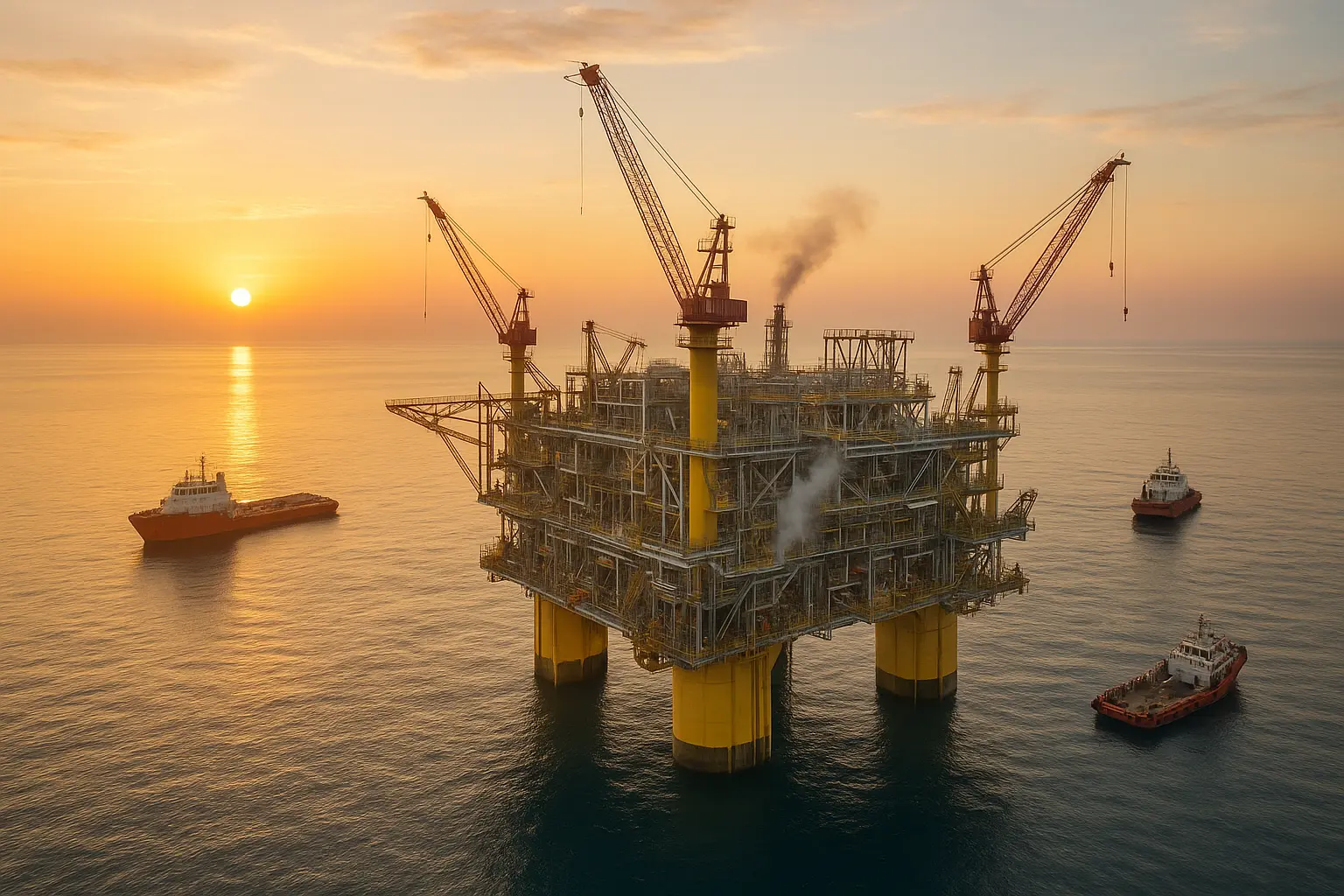
On Monday, BP drew a line in the sand, announcing plans to unleash 80,000 barrels of oil per day from a new floating platform in these deep waters by 2030. This isn’t just an upgrade; it’s a shot across the bow for the anti-oil brigade and a pointed reminder that fossil fuels aren’t fading-they’re resurging.
“Our decision to move forward on the Tiber-Guadalupe project is a testament to our commitment to continue investing in the Gulf of America and expand our energy production from one of the premier basins in the world.” declared BP senior VP Andy Krieger. That’s the kind of bold confidence you won’t find in a solar panel press release.
BP’s announcement comes as Americans demand energy security and push back against punishing gas prices and unreliable green tech. The country is tired of rolling blackouts and climate fear-mongering-a mood that’s echoed across talk radio, social media, and conservative forums.
Based roughly 300 miles southwest of New Orleans, the Tiber and Guadalupe oil fields represent over 350 million barrels of recoverable resources-a treasure buried under the waves, now set to be unlocked by private enterprise and American grit. BP’s plan marks its seventh oil and gas production hub in the Gulf, with projections to drive U.S. production to over a million barrels of oil equivalent by 2025.
Green Fantasies Fade as Real-World Energy Demand Soars
For years, so-called experts insisted the glory days of oil were dead and buried. Yet BP’s refreshed Energy Outlook for 2025 now admits oil demand isn’t dropping; it’s climbing, with projections topping 103 million barrels per day by 2030. When reality collides with leftist dreams, the facts win-every single time.
BP once played footsie with climate activists, talking up renewables and painting oil as an embarrassing relic. But dollars-and reality-have spoken: just like the political tide that swept President Trump back into the White House, BP’s pivot to fossil fuels reveals the mood shift in both corporate and political America. As wind and solar projects flop and federal subsidies dry up, blue-state governors have struggled to keep the lights on. Even mainstream media outlets can’t hide that Americans want reliable, affordable energy independence.
This move isn’t just about the return of old-school oil: it’s a response to strategic necessity. BP’s Energy Outlook warns that “increased geopolitical fragmentation” is shaking markets and making foreign oil riskier than ever. Oil companies know America can’t rely on unstable regimes in the Middle East or South America. As supply chains strain and global tensions rise, homegrown oil is the country’s safest bet.
The latest Energy Outlook points to the urgent need for resilient, locally-driven extraction. If only climate-fixated politicians were paying more attention.
“It’s about time America stopped apologizing for wanting to keep the lights on,” said one top-rated conservative influencer on X. “BP just proved you can still make money, make jobs, and make America stronger-all by drilling responsibly at home.”
Make no mistake: this is yet another rebuke to Biden’s failed war on fossil fuels. With companies like BP now doubling down, jobs are returning to the Gulf, local economies are gearing up, and American consumers stand to benefit from steadier domestic supply-no thanks to D.C.’s green machine. Republicans are celebrating this as a sign that the free market, not government overreach, will secure America’s future.
Trump’s Second Term and the Race to Secure U.S. Energy
Context is everything. BP’s decision comes at a time when President Trump is leading the charge for a return to commonsense energy policy. Tax cuts, pipeline approvals, and a deregulatory push have kicked off a new oil boom-one that the Biden crowd tried, and failed, to stop.
The Tiber-Guadalupe project stands as a monument to what’s possible when government isn’t strangling growth. Unlike bloated offshore wind projects that can’t compete without endless taxpayer handouts, this new drilling hub is being built by the private sector, for profit, and for the American people. The cost per barrel is expected to be three dollars less than BP’s last big coastal project, proving that innovation still thrives in a climate of freedom and competition.
BP will fully own and operate this platform-its *second* new one in the region in under two years. And there’s more to come. Industry insiders expect 8 to 10 major projects will hit production globally between 2028 and 2030, with the Gulf leading the way. That spells tens of thousands of jobs along the coast, massive tax revenue for states like Texas and Louisiana, and a decisive win for families sick of “green” policies that deliver little but headaches.
But don’t expect the climate lobby to give up quietly. Already, the usual suspects are howling online. Environmental groups claim the project “proves Big Oil’s stranglehold on America,” (to which, let’s be honest, most voters are whispering “thank goodness”). Biden’s last-minute drilling bans are now looking more like performance than policy, and even moderate Democrats are getting the message. As 2026 midterms loom, the energy debate will only get hotter.
“Americans don’t want government-mandated poverty from radical green policies,” blasted a prominent GOP senator on social media. “They want good jobs, affordable gas, and the security that only real energy can provide-and that’s exactly what moves like BP’s deliver.”
The writing is on the wall: both Wall Street and Main Street have called the climate bluff. BP’s Tiber-Guadalupe project is a shot in the arm for the U.S. energy sector-and a warning to the anti-oil coalition that their time is up. With American leadership back at the top, and companies itching to drill, the U.S. is ready for a golden era of homegrown power. Forget fake climate crisis rhetoric-the future belongs to those who drill, build, and fuel American greatness.