
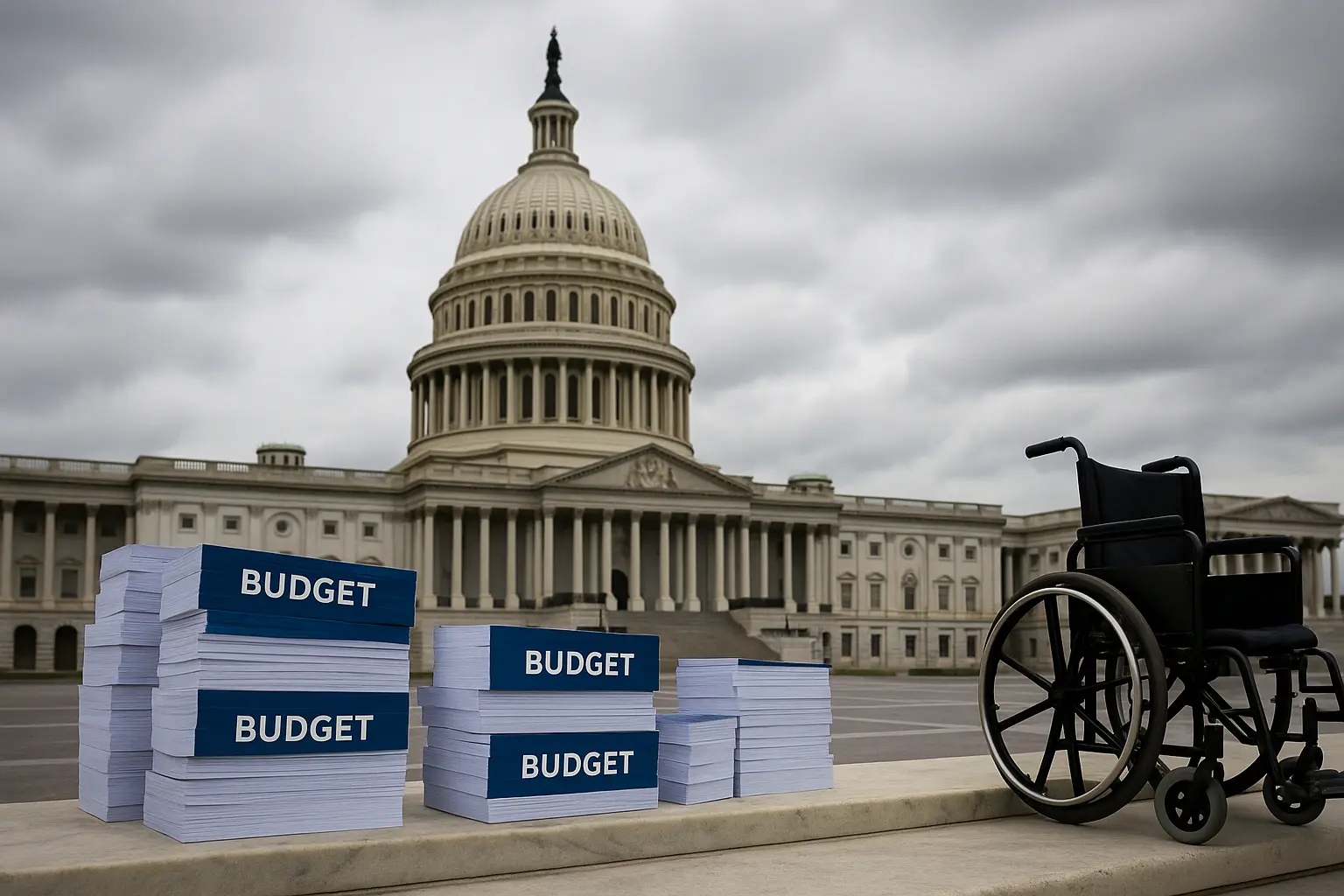
CBO Sounds Alarm: Trump Tax Law Could Ax $500B From Medicare Without Immediate Congressional Action
“This is beyond reckless – Washington is rolling the dice with Americans’ health while politicians squabble!” That was the heated reaction echoing across social media after the Congressional Budget Office (CBO) dropped a bombshell warning last week: without Congress intervening, President Donald Trump’s flagship tax cuts are about to take a sledgehammer to Medicare, chopping nearly $500 billion from the program between 2027 and 2034. All because of a decades-old, rarely enforced budget law that’s roaring back into relevance-and putting seniors right in the crosshairs.
How Did We Get Here? The Red Tape Trap Poised to Slash Senior Benefits
Back in 2010, Congress passed the so-called Statutory Pay‑As‑You‑Go Act-a bureaucratic booby trap designed to prevent big spenders from breaking the bank. The law sounds simple: if lawmakers pass bills that balloon the deficit, automatic cuts, or “sequestration,” hit key federal programs until the books are balanced. For years, this trigger sat quietly on the shelf, never truly putting essential services like Medicare at risk-because Congress always stepped in to stop the blade from falling.
But this time could be different. With President Trump’s tax reform and spending law projected to add a staggering $3.4 trillion to the deficit over the decade, the CBO now says the law’s automatic cuts must be activated unless lawmakers scramble-and quickly-to pass a fix. Translation: absent a lifeline from Congress, Medicare will see $45 billion sliced out of its budget in 2026 alone, with annual cuts snowballing past $491 billion by 2034. Social Security escapes thanks to a legal exemption, but Medicare’s status as the lifeline for 66 million American seniors is undeniably at risk.
“People have been warning for years that our hands-off approach to these rules would eventually backfire,” one prominent budget hawk told RedPledgeInfo. “Well, that day has come-and it’s coming for Medicare.”
What’s making the situation more dangerous: Washington’s new political makeup. While Republican leadership continues to defend the tax law as pro-growth and business, the partisan standoff with Democrats-who accuse the GOP of gutting the social safety net-means any bipartisan solution is laced with drama, brinksmanship, and headline-grabbing threats.
Senior Care On The Chopping Block: What’s REALLY at Stake for Everyday Americans?
For all the Budget Office’s technical language, the real-world consequences for seniors and working Americans are absolutely seismic. Medicare, the main health insurer for every American over 65, already runs on a razor-thin margin. If Congress fails to prevent these new cuts, doctor payments, hospital reimbursements, and patient services could all be dramatically slashed-putting timely care and even life-saving treatments further out of reach for millions.
And the squeeze won’t stop at Medicare. The same tax law has put rural hospitals on life support by chopping an estimated $1 trillion from Medicaid over ten years, compounding the stress for already fragile small-town clinics. Meanwhile, economists warn that as many as 11.8 million more Americans could find themselves uninsured by 2034, blowing a hole in the health safety net at a time when families are already pinched by rising costs.
Republicans have fought back against these claims, arguing that the tax law includes $50 billion in new funding for rural hospitals and will spur economic growth, creating jobs and higher wages across the board. But conservative critics aren’t convinced that these numbers can offset the pain that would be unleashed if automatic spending cuts take effect, especially in the heartland-Trump country itself.
One doctor from rural Kentucky, whose clinic serves patients covered by both Medicare and Medicaid, warned, “If these cuts happen, people in my county will have nowhere to go. This is every politician’s nightmare-seniors and veterans lining up outside shuttered clinics.”
Liberal groups, led by Rep. Brendan F. Boyle (D-PA), are using the moment to paint a dire picture, blaming “tax breaks for billionaires” for coming at the expense of programs like Medicare. Their message has gained traction online, where hashtags like #HandsOffMedicare and #SaveOurSeniors are rocketing across X (formerly Twitter), fueling political fistfights that threaten to grind any compromise to a halt.
Can Congress Save the Day-Or Will Partisan Deadlock Put Seniors at Risk?
Here’s the dirty secret inside the beltway: While the rules say these cuts are automatic, Congress has always managed to pass a late-night deal to prevent them, waving or offsetting the reductions at the eleventh hour. According to recent analysis of the 2010 law’s history, not once has Washington actually allowed the axe to swing-until possibly now.
So far, just about every lawmaker in both parties has expressed public opposition to Medicare cuts. The difference this time, warns the CBO, is Washington’s unprecedented levels of gridlock. Republicans see this as an opportunity to score points by forcing Democrats to the negotiating table on unrelated border, budget, and regulatory issues, while Democrats refuse to “bargain with seniors’ health.” Each side holds just enough votes to block the other, and neither is blinking.
A Capitol staffer explained to RedPledgeInfo, “This is the classic game of chicken. Nobody really wants to hurt Medicare, but both sides are using it as leverage for their bigger fights. The real danger is, it’s the retirees who end up as collateral damage.”
What’s more, the looming 2026 midterm elections have the whole political class on tenterhooks. Every lawmaker is calculating whether to bet on dramatic headlines and partisan showdowns, or to quietly negotiate a fix that could anger their party base. Meanwhile, constituents flood their offices with calls demanding answers, and grassroots conservative groups have already threatened to primary any Republican who “sells out” the Trump-era tax cuts.
The CBO’s warning thus stands as a high-voltage alarm-not just for seniors who rely on Medicare, but for every American who cares about how Washington spends our tax dollars and what the next generation inherits. As the countdown to sequestration ticks, the ball is squarely in Congress’s court: act now or face the wrath of angry voters, devastated seniors, and healthcare workers caught in a political crossfire of historic proportions.
