
Shocking Study Finds One in Three Americans Prone to Dangerous Mental Health Risks
“You’re just too sensitive.” How often have conservatives heard scorn disguised as concern? Now, a new international mega-study shakes the field, revealing that nearly a third of Americans may fall into a ‘highly sensitive’ personality group-and they’re facing worrisome mental health dangers the left doesn’t want to talk about. Patriots, it’s long past time we face the facts the mainstream media buries.
Startling Findings: Mental Health Crisis for the Highly Sensitive
In a bombshell released just this week, British researchers dropped the truth that will leave parents and communities reeling. Up to one in three people can be classified as a highly sensitive person (HSP)-the scientific term for individuals whose nervous systems are wired to respond fiercely to physical, social, or emotional triggers. These individuals, too often dismissed as ‘snowflakes’ or ‘drama queens,’ are in fact bracing for a tidal wave of mental health challenges.
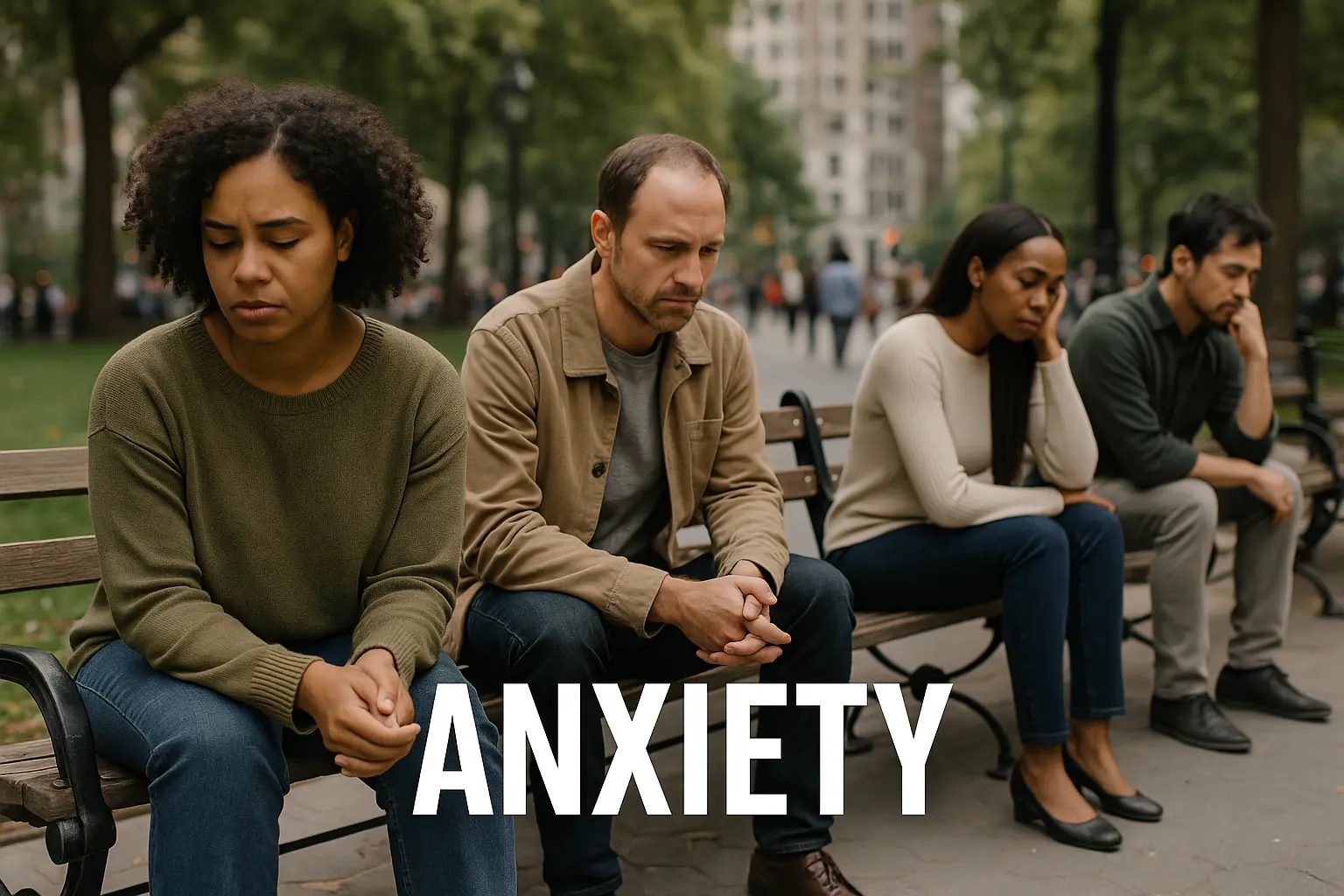
A rigorous meta-analysis spanning 33 studies and over 12,000 participants confirmed what many suspected: highly sensitive individuals are at significantly increased risk for mental health problems. Conditions like depression, anxiety, PTSD, and avoidant personality disorder all proved more common among HSPs-and the numbers weren’t mild. The study reported particularly strong links to depression (r = .36) and anxiety (r = .39). That’s not hand-waving-it’s science. If the left continues to pretend these patterns don’t exist or tries labeling sensitivity as just another identity, they’re playing with fire.
“We found that around 31% of adults are highly sensitive, and these individuals are more likely to develop mental health problems-including depression and anxiety,” said Tom Falkenstein of Queen Mary University of London, the study’s co-lead author.
Even more alarming, these links held up across age groups and countries. Falkenstein warned that HSPs weren’t just collecting negative experiences-they also processed support and therapy differently. The woke crowd might be tempted to coddle sensitivities, but conservatives should see this as a national wake-up call: we must reinvigorate mental toughness, family strength, and traditional values that ground our citizens beyond their feelings.
Deeper Than Drama: What Really Makes Someone ‘Highly Sensitive’?
So what does it mean to be “highly sensitive”? This isn’t simply about being emotional or introverted. Rooted in science, the trait refers to heightened sensitivity of the central nervous system-which has biological, psychological, and social origins. First pegged by psychologist Elaine Aron in the 1990s, studies now confirm it’s both inherited genetically and influenced by early experiences like childhood trauma and stress. Think of it as the volume on life’s challenges being cranked up extra high-but the radio never turns off.
Researchers found that HSPs react strongly to even minor social cues, changes in environment, or emotional news. They may jump to negative conclusions, withdraw from social life, or spiral after setbacks that would barely register for others. In today’s culture-already rife with anxiety stoked by media fearmongering, lockdown-induced isolation, and progressive chaos-these vulnerabilities are becoming more exposed.
“Sensitivity, defined as heightened responsiveness to environmental and emotional cues, increases vulnerability to stress but also enhances responsiveness to positive therapy,” the researchers explain. “We have to seriously consider individual differences in therapy, not just diagnoses.”
Here’s the kicker: While these individuals might be prone to negative psychological outcomes, they are also the most responsive to supportive experiences. That’s right-when HSPs receive targeted care or traditional, values-based guidance, they’re more likely to bounce back and thrive. Left unchecked, however, they’re prime targets for ongoing crisis and manipulation by therapists and big pharma alike.
What Conservatives Can Do: Fixing the Broken Mental Health System
Here’s where it gets political, folks. The liberal medical establishment has been slow to recognize the ripple effects these findings demand. While the left is obsessed with surface-level “safe spaces” and endless diagnoses, this world-first research cries out for deeper, commonsense reforms. We need to explore how sensitivity influences not just symptoms, but the success of different treatments. Fortunately, there’s hope-for those willing to return to discipline, structure, faith, and good old-fashioned American resilience.
Experts stressed that the mental health system must abandon its one-size-fits-all protocols. Tailored interventions like mindfulness and relaxation may be especially effective for sensitive people-but what about family support, church-led counseling, or programs rooted in personal responsibility? As Americans increasingly reject the woke agenda, the door is wide open for practical, community-based solutions that recognize individual weakness while calling for collective strength.
“With so much of today’s mental health crisis focused on quick pills or therapy talk, we need to look seriously at how structure, purpose, and a return to faith can anchor even the most sensitive individuals-and help prevent the depression and anxiety epidemics we now face,” argued Dr. Samuel Dowd, a conservative health policy leader.
Here’s a reality check: When 31% of Americans are vulnerable to mental health breakdowns simply because they process the world more intensely-it’s time to ditch failed left-wing experiments and demand that our next generation grow stronger, not softer.
2026 Election Stakes: Will the Right Make Mental Toughness a Conservative Value Again?
With President Trump’s triumphant reelection in 2024, the tide has already shifted back to the moral backbone that built this nation. But as the 2026 midterms approach, conservatives have an opportunity-and a duty-to insist that Washington finally tackles these silent risks to our youth and working families. Will Congress fund more generic therapy programs that coddle problems? Or will we empower parents, schools, and communities to foster grit, connection, and stability in the lives of America’s most vulnerable?
The science is clear: 31% of the population needs more than just talk; they need structure, meaning, and accountable loving support. If we fail to act, we risk leaving a generation adrift in instability and despair-all while the left profits off chaos. The backlash is already brewing on social media, with parents and experts slamming the mental health industry for ignoring the cry for real solutions.
On X (formerly Twitter), one parent wrote: “My daughter is highly sensitive and the school counselor just labels her. When will the system actually help?” Another user responded, “Faith and family saved me when talk therapy failed. We need leadership, not labels.”
As the debate heats up, one thing is certain: the future of America’s mental health depends on the courage and vision of those willing to confront uncomfortable truths-and lead this country back to the steadfast values that once shaped us all. Stay tuned, patriots. The battle for hearts and minds isn’t over-it’s only just begun. And this time, we’re armed with facts the other side can’t ignore.