
Erik Menendez’s Shocking Medical Emergency Reignites Parole Battle in California
‘If this was Gavin Newsom’s son, would he be left behind bars with kidney stones?’ The cry is echoing from conservative circles as America watches one of California’s most infamous prisoners face a medical crisis just weeks before a pivotal parole showdown. For critics of California’s so-called ‘progressive justice reform,’ the timing and secrecy surrounding Erik Menendez’s hospitalization have stoked outrage, skepticism, and fierce debate over who gets compassion in the Golden State’s justice system.
Medical Mystery Triggers Legal Firestorm: Is Erik Menendez’s Hospitalization Grounds for Release?
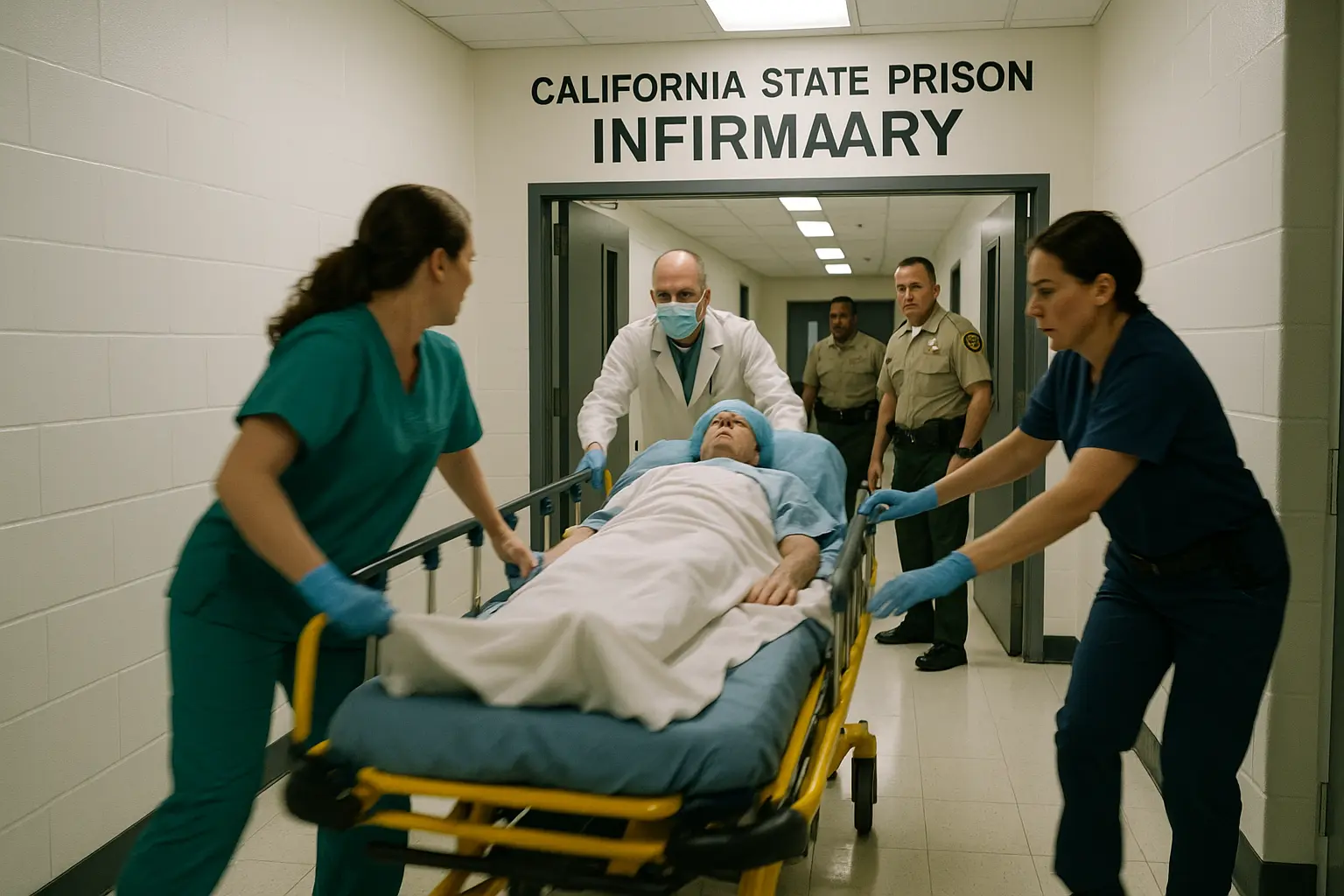
On July 18, Erik Menendez was rushed from the confines of the Richard J. Donovan Correctional Facility to an undisclosed outside medical center, where he reportedly remains under observation for what his attorney calls a ‘serious medical condition.’ The prison, shrouded in privacy laws, has refused to confirm details. Speculation ranging from kidney stones to more severe complications is swirling. One undeniable fact: the 54-year-old convicted murderer isn’t just another inmate, he’s half of the notorious Menendez brothers-whose gruesome killing of their wealthy Beverly Hills parents in 1989 made international headlines and split the nation ever since.
What is confirmed is that Menendez was transported to a hospital on July 18 and remains in fair condition; details remain scarce and carefully protected behind strict medical privacy. But that hasn’t stopped those on the outside-including Menendez’s high-profile attorney Mark Geragos-from raising loud demands for a temporary furlough. Geragos insists the seriousness of Menendez’s illness means he needs time out of prison to recover and prepare for the upcoming high-stakes parole hearing in August.
‘Justice cannot be achieved without compassion,’ thundered Geragos, who is also preparing a formal clemency plea to Governor Gavin Newsom.
But for many voters, California’s two-tiered system raises plenty of red flags. Critics are already warning that granting compassion now looks suspiciously like rewarding a killer-one who conservatives argue has manipulated the justice system and media for decades. California state prosecutors, meanwhile, have offered little signal as to how they’ll handle the mounting pressure.
From Infamy to Sympathy: How Netflix and Hollywood Spin Are Fueling the Parole Movement
The Menendez saga isn’t just a legal drama; it’s a decades-old cultural flashpoint, now supercharged by Hollywood and trending hashtags. For more than 35 years, Erik and his brother Lyle have cast a long shadow over the justice debate, with their initial conviction drawing a hard line between American values of law and order and a media-driven obsession with sensationalism and victimhood narratives.
The brothers’ story lurched back into the limelight when Los Angeles Superior Court Judge Michael Jesic resentenced them to 50 years to life in May, instantly making them eligible for parole. This move came after hours of emotional testimony from family members; 20 relatives now support their release-a stunning shift from 1990 when they were painted as cold-blooded killers. But in the court of public opinion, is this justice, or evidence of a system going soft on crime?
‘Once Netflix got involved, it became all about sympathy for the Menendez brothers. But what about the real victims?’ asked one commentator on X, formerly Twitter, echoing widespread criticism among conservatives.
The key accelerant of this new Menendez moment? The Netflix docudrama Monsters: The Lyle and Erik Menendez Story, which has recast the brothers not as predators but as survivors of alleged sexual abuse, now enjoying a controversial wave of sympathy online. According to recent coverage of the Netflix series, the public is buying in-and so, it seems, are some lawmakers and celebrities from the liberal elite.
Left-wing celebrities including Rosie O’Donnell and Kim Kardashian have openly advocated for their release. Their argument echoes the defense team’s long-running claim that the brothers gunned down their parents in a desperate act of self-defense, after suffering years of alleged sexual abuse at the hands of their father, RCA Records’ top executive. Prosecutors, for their part, have staunchly maintained the real motive was cold, calculated greed for inheritance-an argument that still rings true for anyone skeptical of Hollywood’s power to rewrite history.
The Road to Parole: Political Gamesmanship or Compassionate Release?
As Erik Menendez remains sidelined by health woes, attention is turning to the critical parole hearing in late August. His legal team insists that only a medical furlough-and perhaps, an outright pardon-is the truly ‘compassionate’ response. California Governor Gavin Newsom, who holds final say, has yet to signal whether the Menendez saga will become his next headline-making clemency case. Insiders note that during the pandemic, Newsom granted similar furloughs, but under increased public scrutiny ahead of the 2026 races, every move carries hefty political consequences.
With Judge Jesic clearing the way for parole eligibility after re-sentencing the brothers in May, the case now rests on whether new evidence-including longstanding allegations of abuse-should outweigh the severity of the original crime. Coverage from NPR highlighted the fierce divide: supporters cite rehabilitation, remorse, and a changed narrative; opponents demand justice for a brutal massacre that rocked American families nationwide.
‘If this is ‘compassion,’ what hope is there for real victims of crime?’ wrote one reader to the Los Angeles Times. ‘California lawmakers seem more concerned with criminals than the people they hurt.’
Attorney Mark Geragos remains undeterred. Fresh from requesting a medical furlough for his client, he is publicly escalating demands, urging Newsom to act swiftly. Should the parole board or governor cave to outside pressure, this could signal a chilling precedent: that celebrity, Hollywood money, and media spectacle can tip the scales even for California’s most notorious murderers.
As the parole hearing date approaches and Menendez’s health dominates headlines, grassroots activists and crime victims’ advocacy groups are circling the wagons. Social media is awash in calls for Newsom to ‘stand up for real justice’ and resist political pandering. With Trump’s administration emphasizing law-and-order revival at the federal level, eyes across the country are on California to see if the state’s leaders will follow the rule of law-or let another high-profile criminal slip the bonds of justice under thin cover of medical crisis.
Stay tuned with RedPledgeInfo as we continue to track this high-stakes drama at the crossroads of health, justice, and politics. Will the California left cave, or will justice finally hold?