
‘Our allies are feeling the burn’: Europe blindsided by US weapons shipment freeze
“This was supposed to be a seamless flow of arms – now our partners are fuming,” said an unnamed Pentagon insider, reflecting the growing outrage sweeping through Europe as the Biden-era bottlenecks come home to roost under the heat of the Iran conflict. American officials have dropped a bombshell: critical, previously contracted weapons deliveries to Europe are being placed on indefinite hold – all thanks to the ever-growing demands of a war many at home argue should never have needed this kind of American sacrifice.
At the heart of the issue is the United States’ Foreign Military Sales (FMS) program, the backbone of European defense upgrades since the shock of Russia’s 2022 Ukraine invasion. Nations from the Baltic to Scandinavia have been racing to modernize their arsenals in the shadow of Moscow’s threats – only to find out, at the very worst moment, that shipment schedules are out the window. The US military has reportedly fired over 850 Tomahawk cruise missiles in just four weeks of war with Iran, torching through the Pentagon’s precision arsenal and forcing the administration to make some grim decisions about who gets armed, and who gets left waiting.
Officials confirm, ‘The weapons were paid for, promised, and planned – but now those contracts are just pieces of paper.’
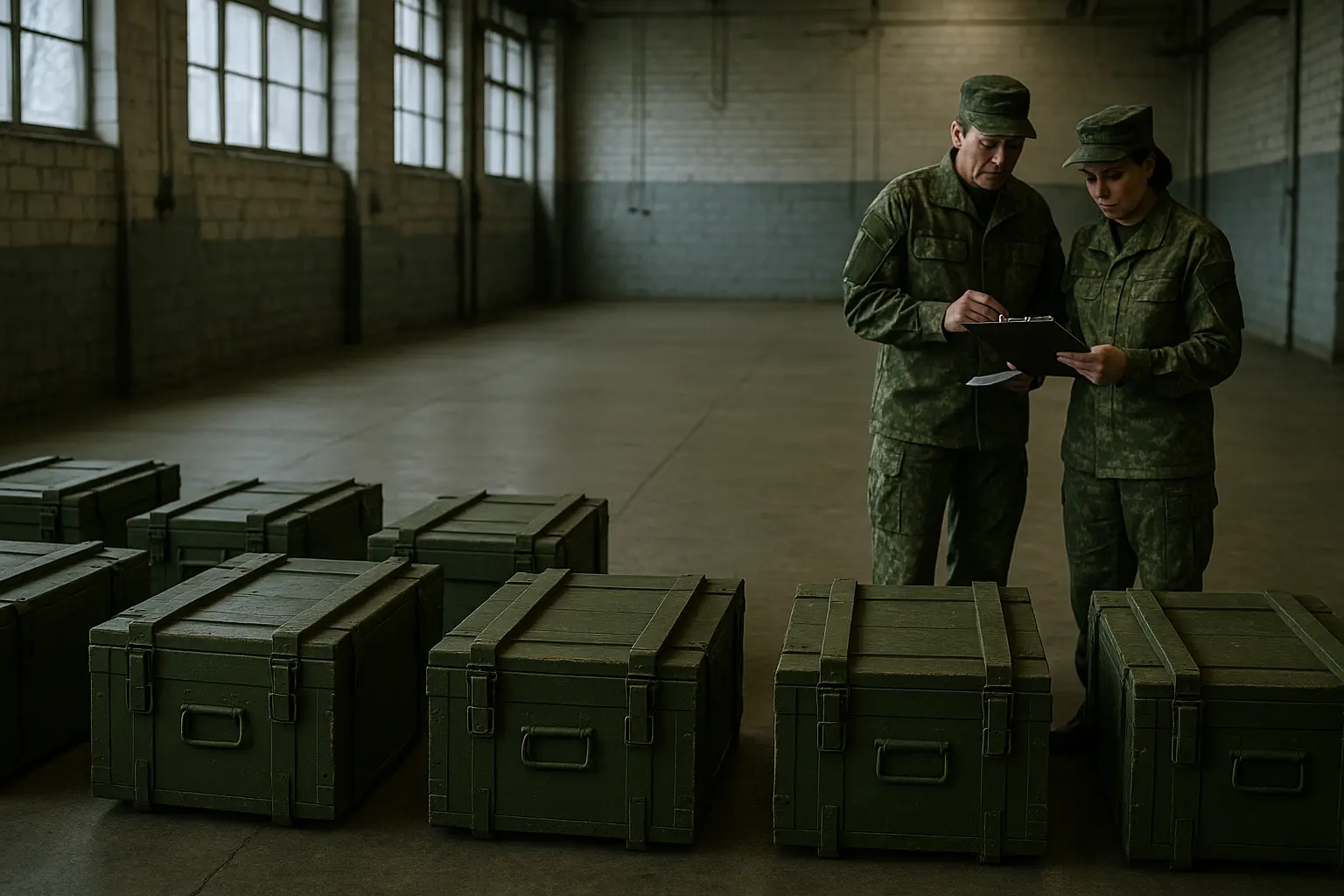
While the White House, Pentagon, and State Department have ducked reporters’ questions, European governments are openly panicking. The Baltic states – ever vulnerable to Russian aggression – are left empty-handed despite having inked defense deals years in advance through what they believed was the most reliable government-to-government channel in the world. Their armies have been sent back to the drawing board, questioning every assumption about American reliability, as munitions earmarked for them now sit in warehouses or head to the front lines in Iran instead.
America Drains Its Arsenal: Iran War Sucks Up Billions, Europe Pays the Price
How did Europe find itself playing second fiddle in the White House’s game of military musical chairs? It all comes back to the colossal scale of the current conflict. Washington’s campaign against Tehran hasn’t just been a series of headline-grabbing airstrikes – it’s burned through a mountain of cash and firepower. The United States burned through $5.6 billion in munitions in just the first two days of the campaign. Since then, the price tag has climbed above $10 billion, and military strategists are warning that key stockpiles, especially of advanced missiles and smart weapons, are running dangerously low.
The extraordinary munitions binge forced the Pentagon’s hand. With the US committed to maintaining an edge amid intense Iranian resistance – and American voters demanding victory – officials have admitted there’s no choice but to slow or even freeze weapons shipments already promised to foreign allies. A senior European security analyst summarized the mood: “It’s clear now, the US defense industry simply cannot keep up. Months – maybe years – of European procurement could be lost. This is a major crisis.”
The FMS program, relying on years of careful planning, has “never seen this level of disruption outside of world war.” – Retired NATO Commander, April 2026
This is more than just a bureaucratic hiccup. Americans are watching their country’s stockpiles backslide as foreign commitments are left hanging. In fact, concerns go back to repeated arms drawdowns after the Ukraine conflict and Biden’s blunders in the Middle East, raising red flags about how stretched US manufacturing and supply chains have become. “If the United States can’t supply its oldest friends, who’s next?” asked one Fox News commentator. Social media has erupted – #AmericaFirst trended for days as voters demand answers about why taxpayer-funded weapons are being diverted away from core national interests and American readiness.
No Plan B for Europe as FMS Grinding to a Halt: Security Gaps Widen
For those unfamiliar, the Foreign Military Sales system was supposed to keep the Western alliance glued together as global threats emerged – delivering everything from small arms to advanced missile batteries, all planned years in advance with U.S. government guarantees. Now, with the Pentagon scrambling to replace what’s been lost in Iran, there are no guarantees left. The flow of American gear that was meant to deter further Russian aggression in the Baltics has dried up overnight, leaving NATO’s eastern front lines more exposed than at any time since 2014.
This unprecedented supply chain disaster is only compounded by President Trump’s demand that America’s own arsenal come first. While critics howl overseas, his supporters point to the ongoing revelations about just how much US hardware has vanished amid the chaos. A devastating RBC-Ukraine analysis showed that years’ worth of US missile stockpiles vanished in a matter of hours during the initial barrage against Iran, sending Pentagon planners into panic mode. With US global maritime operations now targeting Iranian-linked vessels far beyond the region, demands on weapons production are only set to increase.
‘Europe has put its faith – and its future – in American hands. That faith is now being tested like never before.’ – Defense analyst, April 2026
Across the Atlantic, politicians are already feeling the heat as opposition parties hammer away at what they portray as the “American betrayal.” Some capitals are reopening talks with alternative suppliers – a move that risks blowing a hole in transatlantic defense unity and encouraging more NATO freeloaders. Meanwhile, military officials in Estonia, Latvia, and Sweden have lashed out, warning that their borders are now less protected just as Russia expands its provocations in the Baltic Sea and beyond.
As the world eyes November’s US midterms and Europe’s own round of elections, the question is simple: Will American reliability be the defining issue for defense hawks across the West? One thing’s for sure: Europe’s weapons aren’t coming anytime soon, and the clock is ticking.