
‘If We Don’t Move Fast, China Wins’: $9 Billion Race to Upgrade U.S. Spooks
‘America’s intelligence agencies need the best-now.’ With these words echoing across Washington this week, the White House has quietly unleashed a seismic $9 billion initiative to blitz Silicon Valley and the world with a new American edge: the fastest, most advanced artificial intelligence chips ever deployed in U.S. espionage history. The Trump administration’s secret move comes as the intelligence community scrambles to rescue its lead over foreign adversaries, especially China, in the global race for AI supremacy.
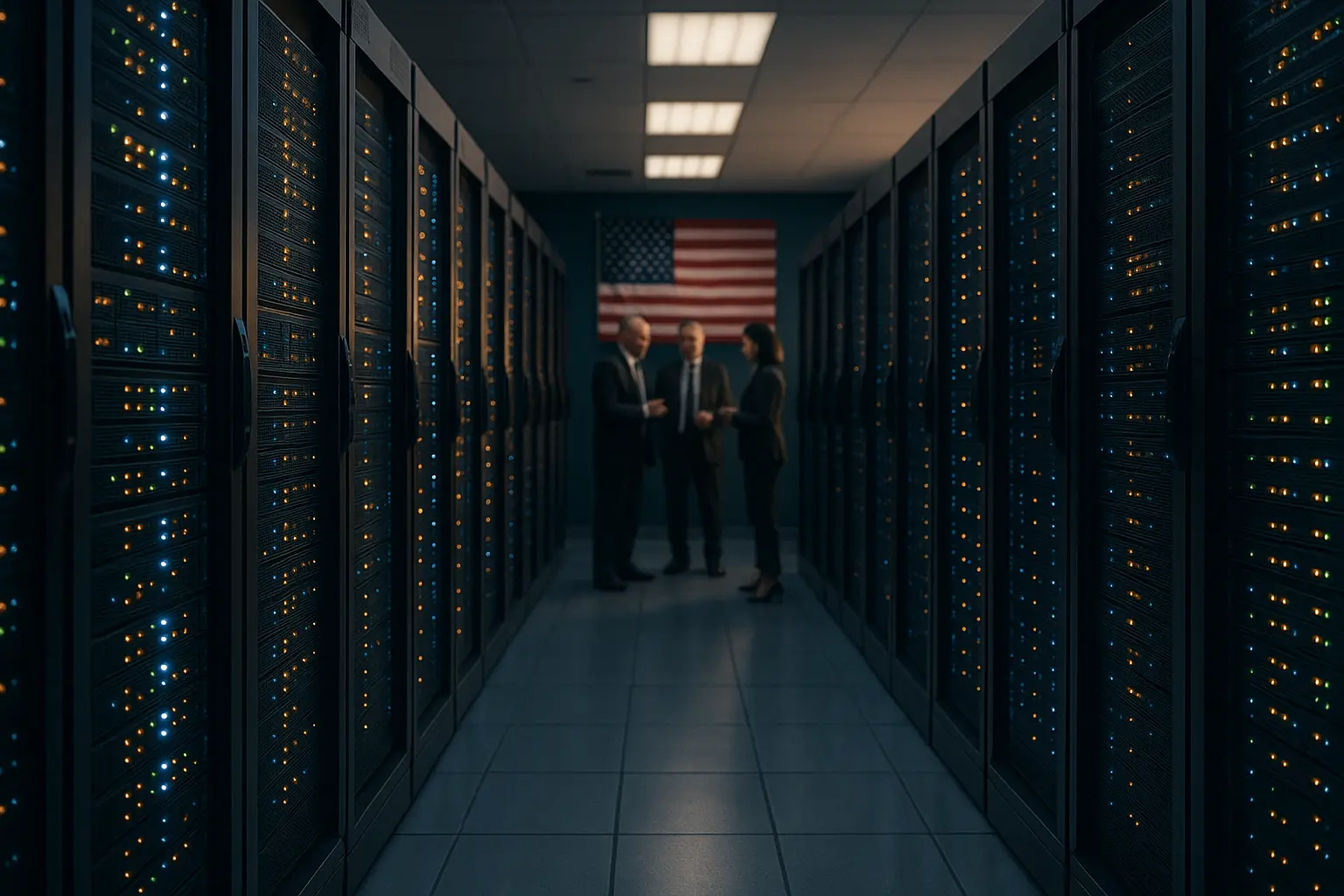
After years of warning that Uncle Sam was falling behind in the all-important chip arms race, President Trump’s team has finally delivered. Intelligence agencies-including the CIA, NSA, and other shadowy operators-are now poised to receive top-of-the-line Nvidia Grace Blackwell chips, so potent they demand new data centers, rivers of electricity, and next-level cooling systems to function. These chips aren’t just fancy gadgets: they will power the “frontier” of classified AI, giving U.S. analysts the digital muscle to sift through oceanic volumes of intercepts, break enemy codes, and predict threats before they erupt.
But beneath the buzz, intrigue simmers. Several senior officials, speaking on strict anonymity, have revealed that the whole deal still needs Congress’s green light. Meanwhile, supply chain headaches, internecine tech feuds, and a shocking dispute with AI unicorn Anthropic threaten to slow America’s dash for digital dominance.
‘It’s a do-or-die moment. Either we tighten the gap on Chinese and Russian AI, or we risk losing the technological Cold War, period,’ said one former NSA director in a heated call with RedPledgeInfo.
Online, conservatives erupted with urgency and skepticism. Pro-Trump X (formerly Twitter) users blasted Congress: ‘Get these chips to our agencies NOW-stop fiddling around!’ Others demanded safeguards to protect American citizens from prying algorithms unleashed inside our borders.
Pentagon in AI Crosshairs: Secret NSA Contract, Feuding Tech Giants, and Shadowy Limits
The details read like something out of a cyber-thriller-because they are. According to top officials, this $9 billion windfall isn’t just a blank check for new computer parts. It comes on the heels of months-long infighting that pitted the Department of Defense against Anthropic, one of the world’s hottest AI start-ups-and a company most Americans have barely heard of.
The problem? While the White House raced to secure state-of-the-art AI, the Pentagon was blindsided when Anthropic refused to let its prized ‘Claude’ models be used for autonomous weapons or for mass surveillance of Americans-fears that continue to haunt privacy hawks. The dispute got so heated the Pentagon labeled Anthropic a ‘supply-chain risk’ and threatened to cut ties. Undeterred, the Trump administration carved out a loophole: in a closely held decision, Chief of Staff Susie Wiles authorized the NSA to keep using Anthropic’s ‘Mythos Preview’ AI model for critical cyber missions, while Congress weighs permanent funding. This highly classified arrangement preserves the NSA’s edge, even as some inside the administration worry about possible exploits.
The new Nvidia chips aren’t just plug-and-play. These next-gen AI beasts-most notably the Blackwell series-guzzle power and pour out heat so intense that only advanced, custom-built centers can reliably house them. According to reports, supporting infrastructure will devour untold megawatts and require highly specialized liquid cooling for data centers packed with wall-to-wall chips. Complicating things even further, memory chip shortages are escalating, as manufacturers race to keep up with record demand for high-margin server DRAM, leaving other sectors scrambling for scraps.
‘Nobody in D.C. wants to admit it, but we are at the mercy of a handful of chipmakers and a very narrow window before China catches up,’ a senior intelligence source told this reporter. ‘That’s why this $9 billion isn’t luxury-it’s a last chance.’
The administration is moving so fast that $800 million-nearly a tenth of the total package-is being ‘reprogrammed’ for an early access procurement of the essential computing infrastructure, Green Beret-style. This surge plan will help plug the NSA, CIA, and other ‘three-letter agencies’ directly into the cutting edge of algorithmic analysis before U.S. adversaries can blink.
Political Firestorm: Citizens Demand Transparency, While 2026 Elections Shape Spy Tech’s Fate
This surge in secret-sauce computing comes as the White House aims to set new rules for AI deployment-before the rest of the world even understands the stakes. Insiders describe a scramble to craft a classified contract with Anthropic as a template for future partnership with other U.S. companies, setting precedent on things like data safeguards, human oversight, and government access. The elephant in the room? Trump’s planned executive order on AI-a dramatic effort to formalize how America handles everything from spy chips to the latest digital arms race-has been put on ice after warnings that overregulation could ‘undercut the U.S. lead’ in AI and let Beijing leap ahead.
With national security on the line, lawmakers are walking a tightrope. Some Democrats have carped about ‘militarizing AI,’ warning of civil liberties fallout. But Republicans-including vocal Trump surrogates-insist that hesitation could cripple America’s ability to counter Chinese infiltration, Iranian hackers, and Russian disinformation.
‘Can you trust Joe Biden’s Democrats to protect CIA secrets? You can’t even trust them to protect your border,’ one popular X user posted, igniting a firestorm of conservative outrage and calls to ‘push this bill through with no pork or delay.’
Meanwhile, headline after headline touts Trump’s ‘America First’ tech policies. Conservative leaders on Capitol Hill are lining up to fast-track approvals for the $9 billion package, framing it as the only way to ‘safeguard U.S. exceptionalism and outpace Chinese spies.’ Some sources even suggest that key 2026 midterm races may hinge on which candidates are seen as backing AI national security tools and resisting international calls for blanket regulation. The days of sleepy oversight committees are over-America’s technological arsenal is in the news, and voters are paying attention.
As of this week, though, the multi-billion dollar question remains: Will bureaucratic turf wars, tech industry tantrums, or Congressional gridlock let the world’s best chips sit in shipping containers while America’s spies wait? Or will 2026 be the year the U.S. permanently resets the global AI race-Trump style-delivering an unbreakable lead over America’s adversaries?
One thing is clear: the war for AI dominance is no longer just an idea in science fiction. The chips are down. The future of U.S. power-and American freedom-will be built in secret, one liquid-cooled server rack at a time.