
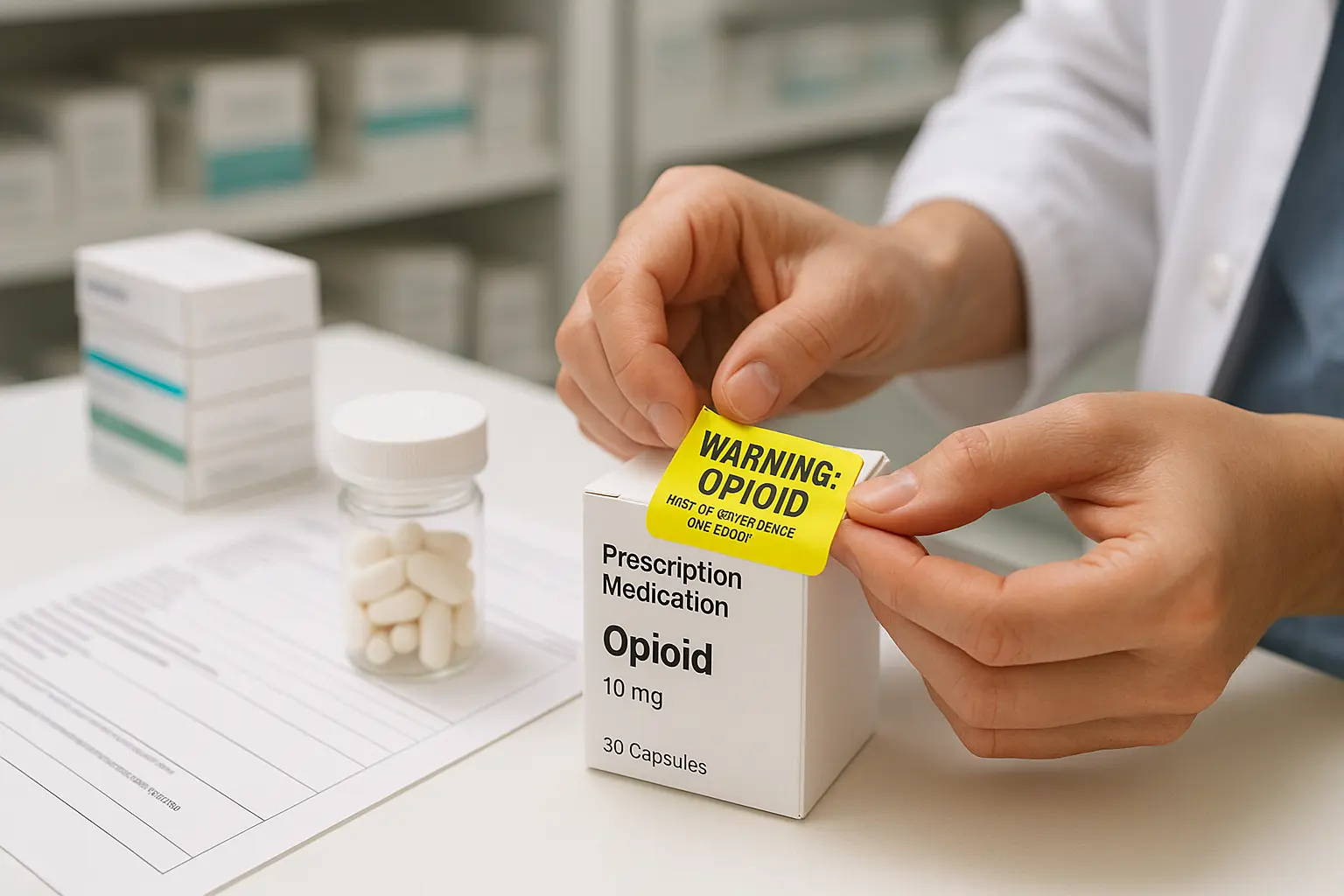
FDA Drops the Hammer With Brutal New Opioid Labels: Will It Stop the Crisis?
‘We cannot sit idly by as Americans suffer and die from opioid abuse just because pharmaceutical giants want a free pass,’ thundered Rep. Mark Addison, a leading House Republican. This week, the U.S. Food and Drug Administration (FDA) pulled no punches, launching a sweeping overhaul of prescription painkiller warning labels in a move billed as the biggest shakeup in two decades. But does this government crackdown spell hope for real reform-or is it just another act in Washington’s long and messy battle with Big Pharma and addiction?
Sharp Warnings, Stark Risks: New Painkiller Labels Tell a Tough Truth
The FDA’s new directive requires major changes to opioid pain medication labeling that go far beyond the soft-handed language seen on pill bottles over the past decade. Starting this fall, every opioid prescription-whether oxycodone, hydrocodone, fentanyl, or the infamous OxyContin-must display clear warnings about the mounting dangers of overdose and death, especially when drugs are used long-term or at high doses. Gone is the so-called ‘open-ended’ guidance that allowed the pharmaceutical industry to market chronic opioid use as safe and routine-language critics argue helped fuel an addiction crisis that has ravaged heartland families for years.
The new labels don’t mince words. They spotlight the very real dangers of rapid dose reductions and forced tapers-practices that have driven some patients to unbearable withdrawal, agony, and even suicide. On top of that, labels must now include information about reversal medications like naloxone, face up to side effects such as brain injuries, and state plainly that there’s no scientific consensus on the long-term safety or even effectiveness of these drugs for most types of pain.
This crackdown comes after two major government-backed studies exposed glaring holes in safety knowledge and called attention to the risks of turning to prescription painkillers for months or years. As the FDA itself says, the data show a pattern: Overreliance on opioids can spiral into addiction, unintended overdoses, and wasted lives.
‘The FDA is finally admitting what millions of devastated families already know-the “safe for long-term use” mantra was dead wrong,’ said one social media commentator, while others lambasted the agency for waiting so long to act.
It’s a grim validation, but better late than never? Let’s dig deeper into what’s changing-and what isn’t.
Washington Admits Failure: FDA Scrambles to Clean Up Years of Political Neglect
The opioid epidemic is finally being framed for what it truly is: a systemic public health catastrophe. Who’s to blame? Conservatives have pointed squarely at a deadly cocktail of pharmaceutical greed, lax federal oversight, and the left’s obsession with ‘quick fixes’ instead of honest medical debate. It was FDA Commissioner Marty Makary who conceded the scale of this policy failure, acknowledging that the opioid crisis represents ‘a major public health failure’ and urging Congress to modernize drug approval and post-market safety monitoring.
Pay attention to the details here: For years, the FDA let Big Pharma push extended-release opioids like OxyContin with vague warnings and precious little data about the real world consequences-delaying critical oversight until the death toll became impossible to ignore. Only after two major studies-PMR 3033-1 and 3033-2-documented rampant addiction, overdoses, and tragic side effects did the feds finally admit there are ‘no well-controlled studies’ to prove these drugs deliver safe relief over the long haul. That’s not just a medical oversight; it’s government malpractice.
‘This isn’t a step forward. It’s playing catch-up after years of Washington’s willful ignorance,’ blasted retired nurse and opioid watchdog Kathy R. on X (formerly Twitter), sparking thousands of supportive shares.
The White House insists these labeling changes will deliver a ‘new era of patient safety.’ But critics remind us: Labeling is words on paper. Accountability means actually restricting risky prescriptions, demanding transparency from drug makers, and fixing a broken medical system that shoves suffering patients onto addictive pills instead of curing their underlying pain.
No More Free Rides: Opioid Industry Faces Real Restrictions-But Will It Be Enough?
Under the new rules, providers must start prescribing immediate-release opioids only for short-term, severe pain-and turn to extended-release forms like OxyContin exclusively for those with truly persistent, treatment-resistant suffering. This is a seismic shift. For years, doctors-egged on by pharmaceutical sales reps-were pressed to keep patients on ‘maintenance’ doses for everything from back pain to post-surgical aches. That era is over, or so the FDA says.
But will these efforts make a dent? Washington now recommends what they call ‘multimodal pain management’-translation: don’t just reach for the prescription pad. Doctors are encouraged to discuss lifestyle, mental health, and non-drug therapies with every chronic pain patient, and to use the lowest dose for the shortest duration possible. As one senior advisor put it, ‘We’re finally treating pain’s root causes-not just masking symptoms with deadly drugs.’ The labeling shakeup is meant to jumpstart real dialogue about the risks and alternatives, forcing the medical establishment to move beyond quick fixes and pill mills.
‘We’ve seen double talk before. What matters is whether insurers, hospitals, and regulators actually support safer alternatives-or just pay lip service while business as usual continues,’ warned Dr. Carl Meyers of the Heritage Policy Forum.
Alarmingly, patients have already flooded social media with stories of withdrawal agony after being abruptly cut off by nervous doctors fearing liability under the new rules. The FDA now specifically warns prescribers not to suddenly discontinue or slash opioid doses without support, highlighting the risk of physical suffering and even suicide. Will frontline clinicians get the training and resources they need to handle these difficult cases safely? Or will ordinary Americans be left stranded as bureaucrats pat themselves on the back?
2025 Election Heat: Trump’s Team and the Next Stage in Big Pharma Showdown
President Trump-fresh off his 2024 reelection-has signaled support for further tough-on-crime, tough-on-Big Pharma reforms. Sources inside the administration say the Justice Department is already eyeing criminal penalties for opioid makers who distort evidence or downplay risks. Republican lawmakers are also pressing the FDA for faster, more transparent warning updates, and demanding insurers back alternative pain treatments, not just cheap, addicting pills. The Trump team frames these moves as part of a populist push to ‘put patients first, not profits.’
But make no mistake: This debate is just heating up. With the 2025 midterms looming, expect firebrand Republicans and conservative PACs to call out every loophole, every failed promise, and every cozy backroom deal that lets Big Pharma off the hook. While the FDA’s new labeling is a shot across the bow, real change will take much more: Accountability, honest debate, and a health system that values Main Street over corporate lobbyists.
‘If you are tired of seeing your family, your neighbors, and your hometown weakened by addiction and failed leadership, demand real action now. Words on a label mean nothing unless every institution-from Big Pharma to the Beltway-finally pays a price,’ thundered Rep. Addison at a packed town hall.
No more free rides. The era of rubber-stamped Big Pharma dominance is over. But in the end-it’s up to voters to enforce it at the ballot box.