
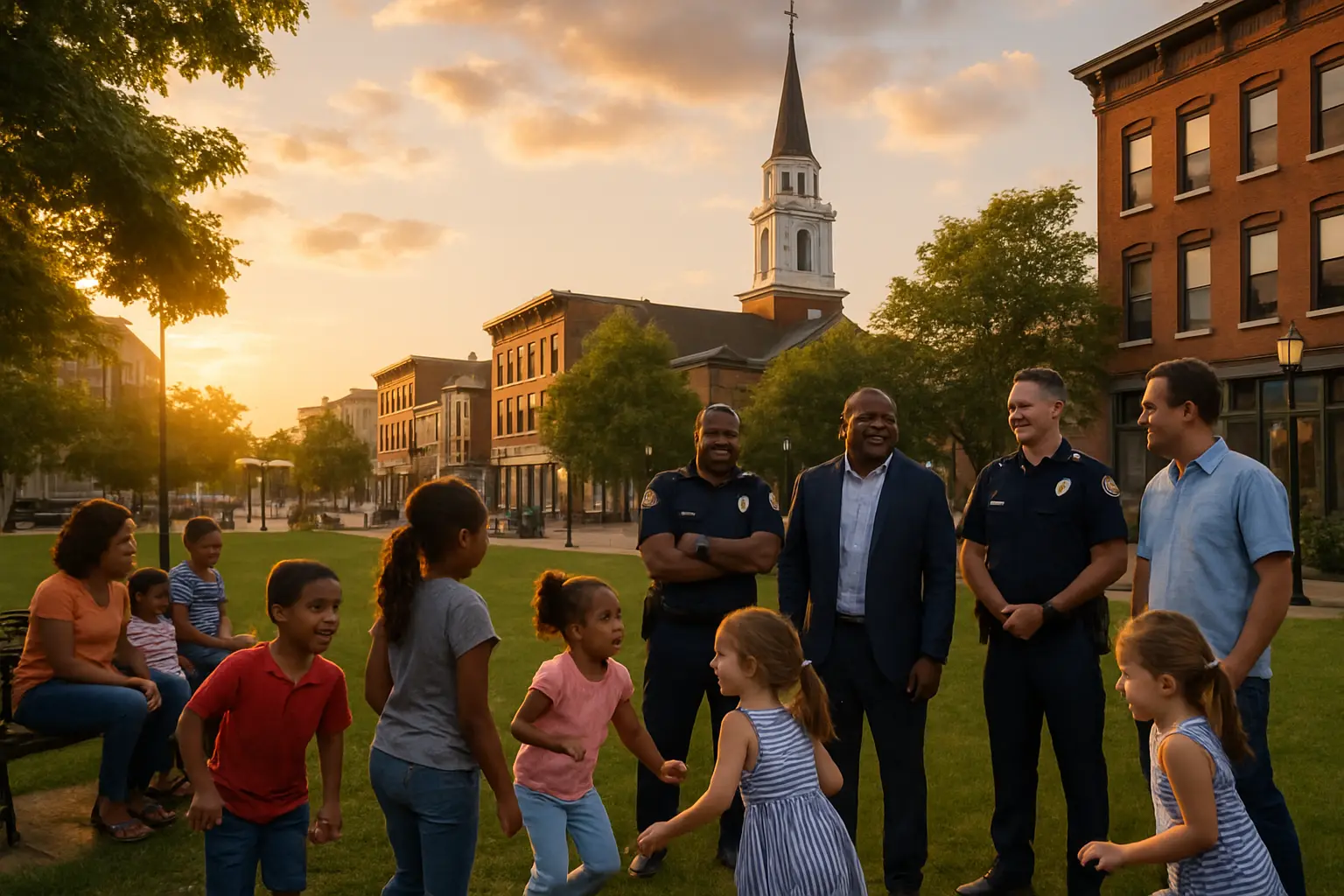
Every week, headlines stir up debates about crime, homelessness, and policing, while budget battles threaten to choke out neighborhood programs meant to keep hope alive. There’s a clamor for urgent action: tougher crackdowns, more task forces, sweeping reforms, and sharper laws. The heartbeat of this national conversation is real-our communities long to be safe, for kids to play freely, for neighbors to find rest at night. But from my years as a pastor and community mentor, one thing stands clear: real and lasting community safety does not start with handcuffs or headlines. It starts at home-within families, faith communities, and the local leadership that knows every alley and avenue.
Let’s celebrate what Oakland achieved in 2026, cutting homelessness by almost 20% in just two years. This happened not just because of city sweeps or stricter enforcement, but because outreach workers, local churches, and volunteers hit the streets, expanded shelter space, and coordinated with health agencies to lift people up, not push them out. That’s the kind of neighborly investment money can’t buy-and no legislation alone can substitute for spiritual care and practical love. The same spirit can be seen in Astoria, where affordable housing opens new hope for people struggling with addiction or mental health.
Yet, in city halls from Sacramento to Dallas, I hear fear that practical progress could unravel as youth programs, after-school safe havens, and summer pools are the first on the chopping block. Sacramento faced a $66 million deficit this spring. While leaders restored funding for gang prevention and some community pools, they were forced to make tough cuts elsewhere-including many jobs. Families and neighbors pleaded, arguing that when we cut prevention, we invite despair and disorder. They’re right. If we neglect our parks, our children lose sanctuaries. Without after-school programs, we leave open doors for gangs and violence to step in. Councilmember Rick Jennings summed up the tension: if prevention goes, police end up picking up the pieces. I’ve seen the truth of this every time a struggling teen tells me, “I needed someone to believe in me before the trouble found me.”
Some see the answer only in firmer laws and harsher enforcement. In Texas, Governor Abbott has launched sweeping task forces to hunt repeat offenders and pushed for new power over county prosecutors, arguing this is necessary to make the streets safe again (source). There’s no doubt persistent, dangerous crime must be confronted firmly-families deserve justice, and neighborhoods plagued by drug violence need swift response. Yet, without strong local trust and visible partnership with community leaders, these policies risk alienating those most vulnerable or misunderstanding the roots of despair. When law enforcement becomes a blunt instrument, not a partner, the streets may quiet but the pain lingers in silence.
I call on conservatives-and all civic leaders-to seek a better way, a way where public safety isn’t an either/or: tough law or tender care. Here’s what I know works:
- Invest in Families: Strong households, led by nurturing parents and especially positive fathers, are our best defense against cycles of violence. Programs that connect dads to mentorship change destinies before a police cruiser ever rolls out.
- Elevate Faith-Based Outreach: When the church joins hands with the city, lives are transformed. Not through judgment, but through meeting needs-offering a hot meal, prayer, a job referral, or a safe place for young people after school.
- Build True Partnerships with Police: We need more than task forces-we need local officers who walk the blocks, know our kids by name, and work with community elders to solve conflicts with wisdom, not just force. Restorative justice can turn one-time offenders into ambassadors for peace.
- Protect Prevention, Not Just Response: Cutting violence prevention to fund more enforcement is penny-wise and pound-foolish. After-school programs, pool days, and youth jobs reduce violence before it erupts. These are as vital as any patrol car.
It’s time to prioritize neighborly presence. Let’s put families first, back faith-led action, and put local leadership in the driver’s seat. Our common security will rise and fall not on the harshness of our penalties but on the depth of our relationships and the reach of our care.
The scriptural command is simple: “Seek the peace and prosperity of the city… Pray to the Lord for it, because if it prospers, you too will prosper.” (Jeremiah 29:7). We are bound together as neighbors in this sacred work-let’s lead with both strength and compassion, building communities where justice and mercy walk hand in hand.