A Hollywood Icon and a President Join Forces: ‘Make Hollywood Great Again’
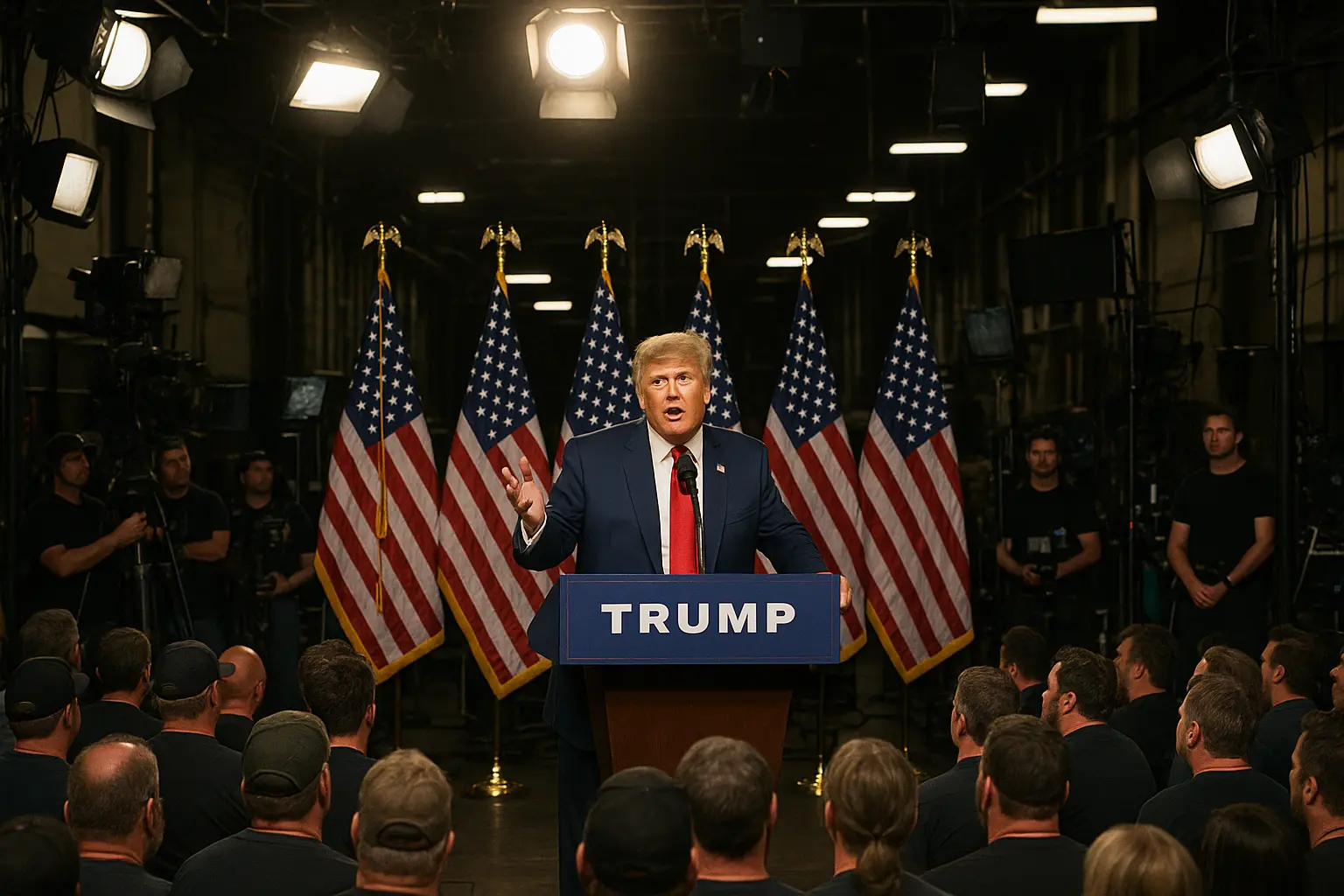
“We must put America first-on screen, off screen, always,” declared actor Jon Voight upon departing the White House after a high-profile meeting with President Trump. This isn’t your everyday star-and-politician handshake; it’s a shot across the bow in the culture war to bring American film production roaring back from foreign shores-and Voight is leading the charge.
Last week, Reuters revealed that Voight met with President Trump in a February 11 meeting which, until now, had flown under the radar of the mainstream media. There, Voight became the unapologetic face of a coalition-including the Motion Picture Association, the Directors Guild of America, and powerful industry unions-urging the White House to enact a federal tax credit package aimed at one thing: revitalizing the U.S. film and television industry.
As more productions flee to Britain, Canada, and beyond chasing sweetheart deals, Voight made the stakes clear: “The soul of American cinema is not for sale to the highest foreign bidder.” The administration’s answer came swiftly. According to a White House spokesperson, Trump is, quote, “committed to Make Hollywood Great Again, and his administration continues to explore all possible policy options to ensure Hollywood remains a potent force of American culture.” Hollywood’s culture influence, jobs, and even national security are suddenly at the forefront of 2026’s political battleground.
Supporters believe that “matching foreign tax breaks and world-class soundstages is the only way to keep talent, jobs, and control here on American soil.”
Inside the Secret Meeting: Star Power, Tax Credits, and the Fight Against Outsourcing
Behind closed doors in the Oval Office, Voight was not alone. According to sources close to the negotiations, he was joined by representatives from Hollywood’s most influential organizations-each with a sharp warning about the consequences of failing to keep production at home. As Voight reportedly explained, American workers are suffering as sets are built in Toronto, London, and even Prague, not Los Angeles or Atlanta. Productions-and their billions-are slipping through our fingers, and so is an irreplaceable part of our cultural identity.
The numbers explain the urgency. In the first quarter of 2026, U.S.-based productions accounted for just 38 percent of global film and TV work, with Britain and Canada combining for almost a third-a stunning shift from two decades ago, when Hollywood was nearly synonymous with American soil. Industry insiders warn that if this bleed isn’t stopped, we’ll soon see Hollywood studios outsourcing core creative jobs-writing, editing, post-production-overseas as well.
At the heart of Voight’s proposal: a 20% federal tax credit for U.S.-made productions, plus another 5% on top for independent films and projects lensed in disaster or incentive zones. Voight argues that these incentives-aligned with both red and blue state interests-are a direct response to aggressive foreign tax packages that lure American jobs abroad. Details, first reported by The Wrap, show the plan would allow independent movies and enterprise zones (think hard-hit industrial areas) to benefit most.
“British, Canadian, and Irish governments are rolling out the red carpet to Hollywood producers-and it’s time America did the same for our own workers,” Voight has added in a recent interview.
The Stakes: An Industry on Edge, Jobs at Risk, and A Trumpian Push for ‘America First’ Film
The context for Voight and Trump’s maneuvering is stark: American film and TV production is at serious risk. According to recent coverage by Devdiscourse, even California-the beating heart of Hollywood-has been forced to sweeten its own in-state tax deals to lure back filming days. The loss of these productions isn’t just about glitz and glamour; it’s about thousands of middle-class jobs, small business contracts, and the preservation of an American industry with global influence.
Critics of the plan, mostly on the left and among so-called “cultural globalists,” claim that giving tax breaks to studios is corporate welfare. But social media tells a different story. Days after the details leaked, hashtags like #BringFilmHome and #AmericaOnScreen trended on X, with countless conservatives and working-class industry members cheering, “It’s about time our government put U.S. workers first.”
And the support is bipartisan where it counts. Trump’s White House has already selected Voight, along with action heroes Sylvester Stallone and Mel Gibson, as special Hollywood ambassadors tasked with navigating these tricky political waters. With their star power and deep connections, the administration hopes to rally not just Hollywood, but the heartland, around this ‘America First’ vision for filming and production.
President Trump is “exploring all possible policy options to ensure Hollywood remains a potent force of American culture,” a White House spokesperson emphasized-even as opponents try to downplay the urgency.
Echoes Across America: Main Street Hollywood or Another Imported Industry?
What’s clear is that the stakes reach far beyond the red carpets of Los Angeles. As Voight made clear in his appeal to President Trump, every lost production is a missed opportunity for welders, drivers, hotels, and family-owned restaurants that rely on the hundreds of millions production brings to U.S. communities. If this fight isn’t won, it’s not just jobs lost-it’s influence and a piece of American identity gone for good.
Some in Hollywood, especially the woke elite, are already gnashing their teeth at the prospect of sharing tax reliefs with so-called “flyover country.” But producers in places like Georgia, Texas, and Oklahoma know this credit could mean a boom rivaling anything Hollywood’s seen since the Reagan years. Industry observers predict a wave of new projects and homegrown talent-provided the Trump administration and its allies can beat back the globalists intent on offshoring our culture.
And the influence is spreading. The Guardian admits that Britain, Canada, and Ireland are snatching away U.S. productions as quickly as possible, thanks to their “savvy combination of tax breaks, lower labor costs, and world-class facilities.” If the American government fails to match these tactics, the U.S. risks going from trendsetter to client state in the global narrative business.
One producer told RedPledgeInfo: “Either we lead in entertainment, or we import other people’s stories and values. It’s that simple.”
Countdown to 2026: The Culture War Collision Looms
As summer blockbuster season heats up, so does the pressure. The film industry-long dominated by leftist voices-is now at the crossroads between globalism and American self-reliance. President Trump’s bold moves on tariffs and jobs are already reshaping the broader economy, and now, with Jon Voight and a powerhouse coalition at his side, he’s intent on returning the director’s chair to U.S. workers and families.
The message to Hollywood is blunt: America isn’t just a backdrop for stories-it’s the birthplace of storytelling itself. If foreign governments are racing to win our business, it’s time for Washington to put citizens, not global elites, first. The fight to keep studios, jobs, and creative power here at home will almost certainly figure into the 2026 midterms-with President Trump betting his legacy that red-state culture is worth defending.
Stay tuned to RedPledgeInfo for exclusive updates as this star-powered conservative movement keeps the spotlight where it belongs: blazing straight from Main Street, U.S.A. to soundstage and beyond.