Rep. Nancy Mace’s FAIR Act Takes Bold Aim at Exploding SNAP EBT Fraud Crisis
‘Taxpayers deserve answers-and accountability-for every cent looted by fraudsters.’ That’s the rallying cry echoing through conservative circles as Rep. Nancy Mace, R-S.C., steps onto the national stage with her hard-hitting new legislation: the Food Assistance Integrity and Responsibility (FAIR) Act. The promise? To finally crack down on what many see as a rigged welfare system bleeding honest Americans dry.
Sweeping the Nation: How EBT Card Fraud Became a Crisis We Can’t Ignore
Across kitchen tables and statehouses alike, the simmering outrage is impossible to miss. Reports reveal that in just three months of 2025, more than $102 million in SNAP benefits vanished via fraud and theft-with over 226,000 phony claims and a breathtaking 691,000 unauthorized transactions erasing hard-earned taxpayer dollars. It’s not just an urban problem or a red state talking point; from South Carolina to bustling New York City, organized schemes have turned what was meant to be a hand up for needy families into a criminal free-for-all.
Conservatives have long sounded the alarm. But the urgency has exploded as new data rolls in: States like South Carolina now rank among the top dozen for SNAP debit card fraud. New York, meanwhile, stands out as America’s EBT theft epicenter, reporting 151,000 cases of benefits snatched by crooks between 2023 and spring 2025-wickedly siphoning more than $80 million from rightful recipients.
‘I’m sick and tired of watching criminals game the system while everyday Americans pay the price,’ thundered Rep. Mace at a press conference unveiling her bill. ‘We can’t allow a single mom in Charleston or a fixed-income senior in Aiken to watch their benefits just vanish because some syndicate skimmed their card.’
Experts say the old days of isolated misuse are over. The new fraud wave relies on high-tech card skimmers, organized networks, and overseas hackers who view EBT cards as easy marks in a war on the American taxpayer. It’s a scheme that not only undermines program integrity but shreds public trust-and, many say, demands a sweeping response.
FAIR Act Proposal: Will Photo ID Crack Down on Welfare Cheating or Create Red Tape?
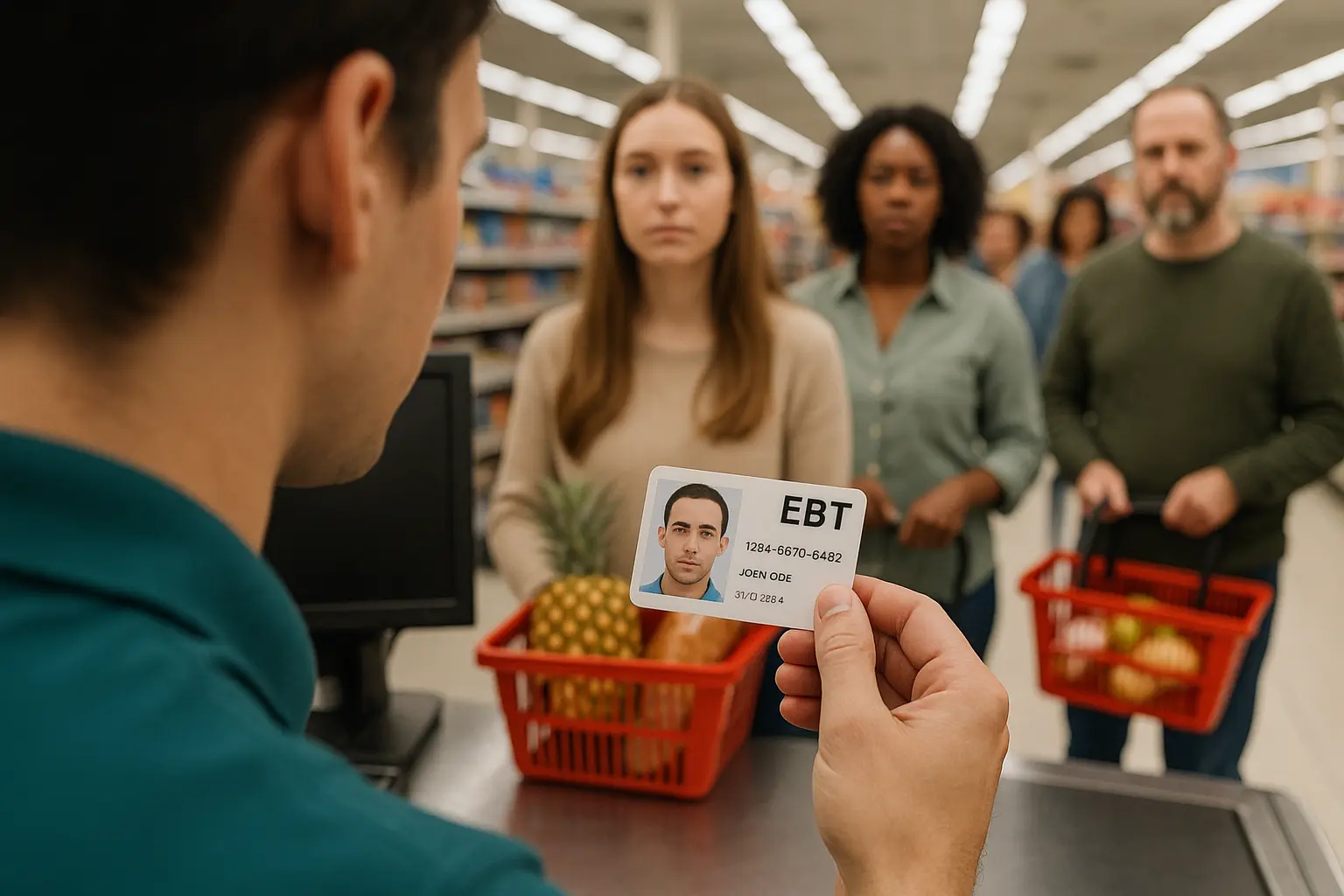
Rep. Mace’s answer is sharp and direct: Put a face on the card. Her FAIR Act grabs the spotlight by proposing every SNAP Electronic Benefit Transfer (EBT) card must include a current photograph of the authorized user, dramatically limiting the opportunities for thieves to cash in.
If passed, grocery retailers would be required to check the card photo every time, easing only in cases where caregivers shop for minors, the elderly, or disabled recipients. Mace’s draft law also lets states produce extra photo-verified cards for large families or legitimate household helpers-a detail she says reflects ‘common-sense flexibility.’ But the bottom line is unmistakable: Identity, not anonymity, at the checkout aisle.
Supporters argue the plan could slam the door on both retailer and recipient fraud. ‘We place photo IDs on everything from our driver’s licenses to student badges-why should the welfare program see less scrutiny than a trip to the DMV?’ fumed state Rep. Carla Jackson, herself an outspoken critic of status-quo welfare handouts.
‘For every $1 these criminals steal, states are now forking out more than $4 in prevention, investigation, and reimbursement headaches alone,’ noted an audit cited by LexisNexis Risk Solutions. ‘This is unsustainable-unless you want to see taxes go straight to fraudsters’ pockets.’
But critics warn of a looming bureaucratic nightmare. Progressive watchdogs groan that the cost of printing photo cards, staffing checkout verifications, and managing exceptions could overwhelm local agencies and create painful delays for honest families. The most common pushback: What happens when grandma, the main caretaker, needs to replace a lost card or send an adult child to perform the grocery shopping? Would technical glitches become grounds for denial of food assistance?
The White House and left-wing social media are already fuming, with hashtags like #IDShame and #PunishingThePoor lighting up X (formerly Twitter) and Facebook. The tension between accountability and access, old as welfare itself, is flaring anew-as families and state officials brace for showdowns over logistics, cost, and the fundamental question of who’s really on the side of needy Americans.
Real Fraud, Real Money: Shocking Losses and Conservative Demands for Reform
Numbers don’t lie-and they’re only getting worse. In major states hit by the scamdemic of EBT crime, local agencies are drowning in bureaucracy trying to make theft victims whole. Between August 2023 and March 2025, New York City alone saw 142,178 stolen SNAP reimbursement applications, with the city forced to shell out $43.7 million in direct repayments-money that could have gone to improving schools or fixing streets.
Alabama, a proud red state, isn’t immune. The state’s Human Resources Department revealed that from May 2023 to December 2024, nearly $16 million had to be replaced for families whose EBT cards were compromised. And in just three months between October and December 2024, more than $10.5 million vanished thanks to skimmers and organized retail theft. Who pays? Every single taxpayer-and every single American struggling to believe their government is up to the task.
‘We will never build public confidence in welfare programs until we show that fraud-and even the appearance of fraud-will have swift and certain repercussions,’ said conservative commentator Marcus Hillman on Newsmax, echoing a sentiment gaining steam in state capitals from Texas to Florida. ‘If you can’t defend the program against thieves, why should taxpayers fund it at all?’
As President Trump eyes a legacy of strong law enforcement and administrative vigilance, pressure is mounting in D.C. to choose reform over business as usual. Mace’s FAIR Act may be just the beginning of a much larger national movement-a moment when decades of frustration boil over, and the demand for taxpayer protections drowns out bureaucratic excuses.
Washington power brokers are watching keenly. With over 226,000 fraudulent claims green-lit and more than $100 million lost in only three months, opponents dismissing the crisis do so at their political peril. Early polling of suburban and rural voters-key players in the coming 2026 Congressional midterms-shows overwhelming support for stronger ID requirements and program accountability.
For Rep. Mace and her Republican allies, the message is clear: ‘We know who’s gaming the system, and we’re coming with the accountability the voters demand.’ As debate intensifies, the future of SNAP-and the broader philosophy of government assistance in America-may well hinge on whether Washington finally enacts real oversight or keeps ignoring what’s happening in plain sight.