
RFK Jr. Declares Public Health Emergency As Massive Washington Flooding Unleashes Chaos
‘This is the worst flooding we have seen in decades-and help can’t wait.’ – Local emergency official, Snohomish County
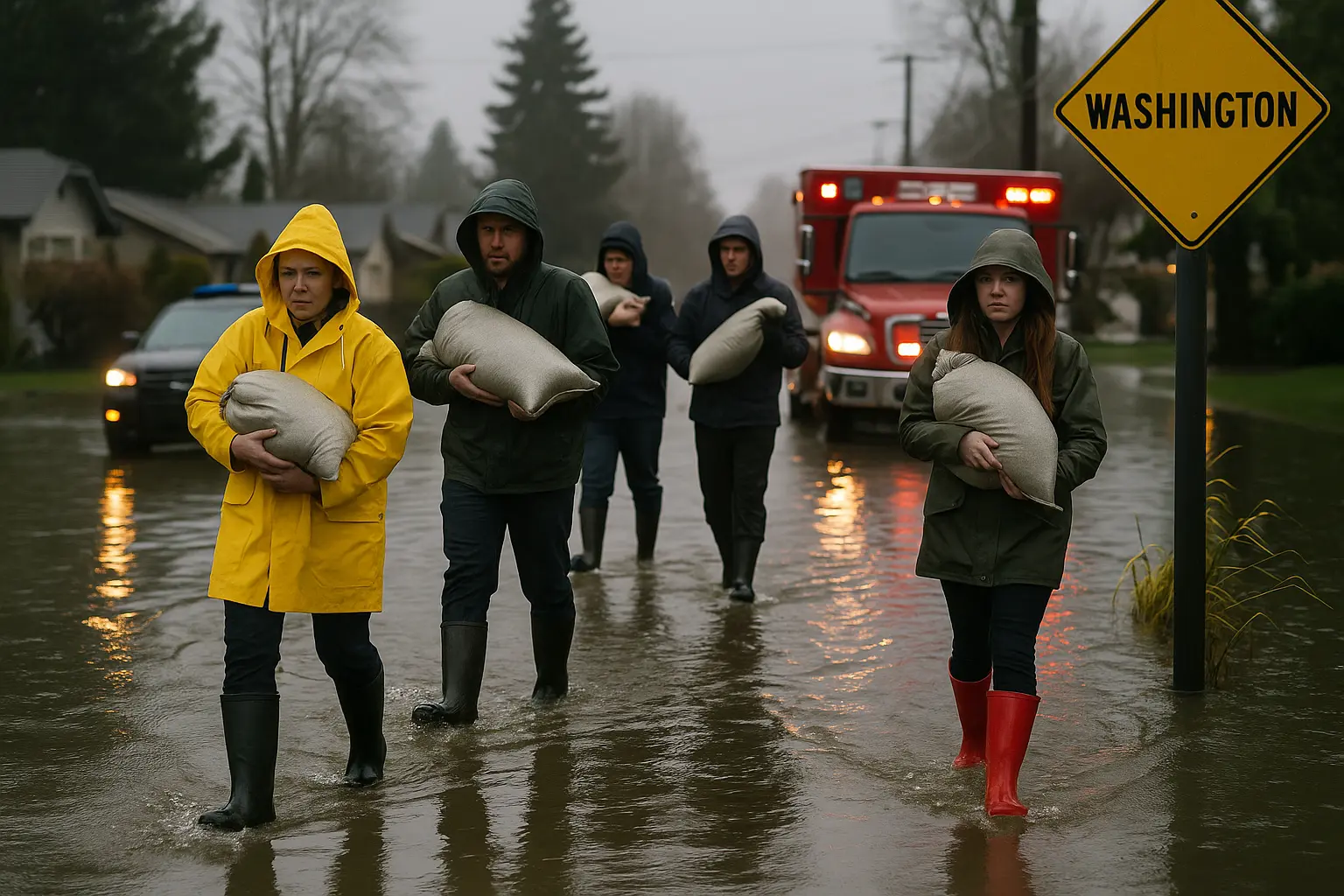
On Christmas Eve, as the Pacific Northwest reeled from catastrophic storms and flooding, Health and Human Services Secretary Robert F. Kennedy Jr. hit the panic button, officially declaring a public health emergency across wide swaths of Washington State. Blindsiding residents just trying to celebrate the holidays, the massive federal action unlocks sweeping powers for government agencies and throws the region into national headlines, with images of overflowing rivers, crumpled roads, and waterlogged homes now symbolizing an ongoing crisis.
While Washingtonians are still mopping up from this month’s relentless downpours, the lasting fallout reaches far past waterlogged basements-now threatening medical supplies, hospital capacity, and even basic survival for thousands relying on power to keep essential medical equipment running. This comes just days after President Donald Trump’s December 12 emergency declaration, which opened FEMA resources for hard-hit counties and tribal nations. As the state braces for what’s shaping up to be a multi-billion-dollar disaster, critics are already slamming the response pace and demanding more robust federal action.
Floodwaters Ravage Washington As Holiday Disaster Unfolds
Severe storms bring the Pacific Northwest to its knees-can the state recover?
The crisis began on December 7th, when a brutal series of atmospheric rivers slammed western Washington, pounding the state with record-breaking rainfall and mountain snow. Flash floods swept through neighborhoods, sending the Snohomish River above its historic flood stage by over nine feet, and triggering mass evacuations from rural towns to the biggest suburbs of Seattle.
Streets became rivers overnight. Emergency phone alerts pinged endlessly as residents scrambled to escape. By the middle of December, intense blizzard warnings blanketed the region-forcing even stalwart first responders off the roads. Bridges crumbled. Landslides swallowed roads and cut off power to tens of thousands. The endless onslaught of storms, landslides, and mudslides left wide zones of the state under water, with many families spending Christmas week in darkened emergency shelters.
One desperate mother told RedPledgeInfo, ‘My son relies on dialysis at home, and we lost power for two days. It’s terrifying-without that help, he might not survive this crisis.’
By December 17, things hit a new low when a key levee in King County gave way, prompting urgent, middle-of-the-night evacuations in the Seattle suburbs. The storm’s aftershocks are still hitting, with more weather threats and damage assessment ongoing. Federal officials estimate that more than 15 Washington counties-including population centers like King, Pierce, and Snohomish-remain under significant threat, alongside the Samish Indian Nation and other tribal groups.
Emergency Powers Unleashed: HHS, Trump Open Federal Floodgates
Swift federal reaction triggers both hope and controversy as storm’s true cost emerges
With the state on the brink, Secretary Kennedy’s December 24 decision to declare a public health emergency wasn’t just a formality-it’s the legal trigger unleashing a raft of federal resources, waivers, and data support. ‘This declaration provides greater flexibility for Medicare and Medicaid services and access to HHS emPOWER data to assist residents reliant on electricity-dependent medical equipment,’ according to the official HHS announcement. That means health providers can break through bureaucracy to save lives, move equipment, and waive penalties if hospitals are forced to share patient information during the emergency.
The Trump administration’s own declaration earlier this month unlocked FEMA teams and financial relief. ‘President Donald Trump approved a federal emergency declaration for Washington state on December 12, 2025, in response to severe flooding and storm damage,’ confirmed reports from The Guardian. The order authorized assistance to Benton, Chelan, Clallam, Grays Harbor, Jefferson, and a dozen other counties, with special support earmarked for tribal nations. Governor Bob Ferguson is already preparing a request for a major disaster declaration-an escalated step that could unlock tens of millions in extra aid.
Multiple Seattle-area hospitals have invoked HHS’ HIPAA waivers for disaster zones, as doctors scramble to treat displaced patients and restore life-supporting equipment to retirement homes left in the dark by the storms.
Federal heat isn’t just focused on climate fallout. With local authorities facing pressure, HHS has put a spotlight on the mental health crisis brewing alongside the flood’s physical destruction, directing citizens to the Disaster Distress Helpline for round-the-clock support. But conservatives and local officials alike are watching to see if the White House and HHS can deliver more than headlines and talking points. With President Trump already taking decisive action, support for real coordination is high-but skepticism remains, especially over how D.C. will handle long-term recovery and avoid funneling disaster dollars into waste and bureaucracy.
Rising Anger, Social Media Outrage, and a State Demanding Answers
Washington’s future hangs in the balance as political fallout builds
Even as HHS and the Trump administration roll out their disaster playbook, frustrated residents and local leaders are venting on social media. Hashtags like #WashoutWA and #TrappedByFloods are trending, with shocking photos of submerged highways and rescue boats weaving past flooded neighborhoods. Surging grassroots anger has already begun to shape the conversation, with calls for faster relief, tougher infrastructure, and real accountability-not just photo ops and press releases.
Localized disaster isn’t the only controversy swirling. Earlier this week, Washington Attorney General Nick Brown raised eyebrows when he announced a lawsuit against Secretary Kennedy over threats to gender-affirming care providers, injecting high-voltage political tension into the storm response. Supporters of President Trump argue that their administration’s rapid FEMA deployment is another example of conservative leadership delivering results-especially crucial with the 2026 midterms on the horizon.
As one RedPledgeInfo reader posted on X: ‘Why did it take so long for DC to wake up? Thank God Trump acted fast. This is what leadership looks like.’
The storm’s economic fallout is only beginning. Crops and livestock are devastated, small businesses face months-long repairs, and vital infrastructure like highways and bridges are in tatters. With Governor Ferguson pushing for yet more federal aid, critics warn against typical D.C. bloat and demand transparency on every dollar spent. Meanwhile, the health and welfare of Washington’s conservative communities-in both cities and rural heartland-hangs in the balance, relying on timely, targeted action and vigilance in the face of growing government overreach.
Stay with RedPledgeInfo as we continue to track the aftermath, watch the White House response, and insist on accountability for every penny spent in the name of emergency action. The Pacific Northwest deserves real answers, real support, and an end to headline-driven disaster politics.