
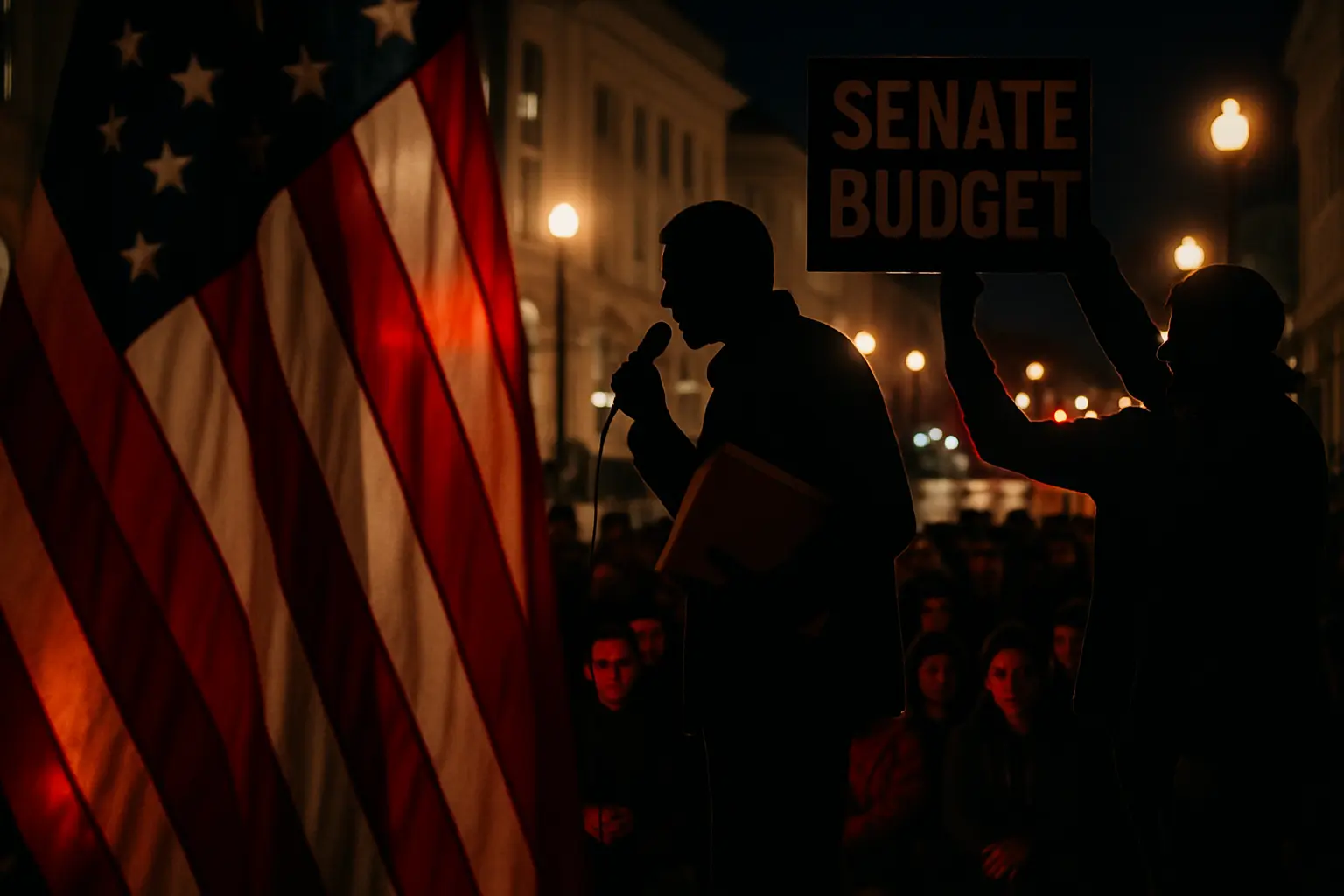
Senate Rolls Forward with Historic $9 Billion Spending Cuts
The Trump Administration’s 2026 budget blueprint is rolling through Congress, making headlines and sending shockwaves all the way from Wall Street to Main Street. The upper chamber, led by stalwart Republican leadership, just made good on a promise to finally defund bloated public media and excessive foreign aid. Conservative voters have demanded serious belt-tightening for decades, and-for the first time in a generation-that’s exactly what is happening.
Republican lawmakers advanced a $9 billion budget rescission package this week, primarily targeting big-government programs like NPR and PBS, as well as slashing foreign handouts that have siphoned dollars out of the American economy for years. As expected, left-wing figures are howling, but for the millions who support President Donald Trump (R) and the America First agenda, this is the beginning of much-needed fiscal sanity.
According to Axios, the measure survived heated debate after Democrats claimed these budgets were ‘critical’ during severe weather or disasters. House Republicans, however, see these agencies as stale relics, unwilling to adapt to a new era of digital communication and private charity. Senate Majority Leader John Thune (R) trumpeted, ‘This is about rooting out waste, fraud, and abuse at the heart of the federal government.’
‘We owe it to taxpayers to make sure their hard-earned money is spent wisely,’ Thune (R) declared as he rallied fellow senators for the vote.
Vice President JD Vance (R) was forced to step in and cast the tie-breaking vote, a historic reminder of just how close the balance remains in Washington (Washington Post). The final tally: 51-50 in favor, sending an earthquake through the liberal establishment. Conservatives now see a clear path to further trim government excess and put Americans first.
Key cuts include massive reductions to public broadcasting, costly climate initiatives, and international treaties that have long gone unscrutinized by the public. These priorities are now squarely in the crosshairs, to the delight of pro-business, pro-taxpayer advocates across the nation.
Progressive Sacred Cows Face the Axe
This budget doesn’t nibble around the edges. The Senate answered Trump’s call and put the brakes on runaway spending for programs like PBS, NPR, the Diesel Emissions Reduction Act, and international climate pacts. The message to the professional activist class-both foreign and domestic-is clear: the era of open checkbooks and endless bailouts is over.
Critics of the plan whined about cuts to the Montreal Protocol and funding for ozone protections. But for regular Americans, the real question is simple: why are we shipping billions overseas when our own towns need roads, schools, and police? The bill also eliminates international aid for climate schemes and multilateral treaties tied to everything from the Paris Accord to obscure United Nations projects.This is a brave move to ensure American taxpayers are not footing the bill for globalist fantasies.
The most controversial provisions zero out funding for the U.S. Environmental Protection Agency’s Diesel Emissions Reduction Act (DERA), a decades-old program that funnelled resources to retrofit old city buses and garbage trucks. According to clean air activists, this could worsen health outcomes in some communities. But with a bloated EPA, conservatives argue it’s time local governments take responsibility for their own air quality instead of begging Washington for handouts.
As reported by Reuters, Senator Thom Tillis (R), one of the few holdouts, admitted he wasn’t clear which programs would feel the bite the most, reflecting the deep complexity of the bureaucratic web. But the majority of the GOP stood firm. ‘We have a duty to restore fiscal sanity,’ said Senator Rand Paul (R).
‘There’s no reason the American taxpayer should be paying for global environmental policing while our own border and infrastructure suffer,’ Senator Paul (R) told the chamber.
This bold step didn’t come easily. Three Republicans broke ranks-Tillis (R), Rand Paul (R), and Susan Collins (R)-joining Democrats in a futile stand against reform (National Special Districts Association). But with the Vice President stepping in, President Trump (R) and the America First movement scored yet another victory for common sense over globalist delusions.
Democrats have tried to cast this as a ‘war on public media’ and ‘an attack on children’s programming.’ But conservative voters have watched for years as taxpayer-funded media grew more partisan, promoting left-leaning agendas. Now, GOP lawmakers are willing to face the backlash and bring long overdue change.
Tax Relief, Regulatory Reform, and the Way Forward
President Trump’s (R) strategy for economic renewal doesn’t stop at slashing spending. The Senate bill includes $4.5 trillion in tax cuts, permanently extending the 2017 Trump rates and introducing new relief, like no taxes on tips for hardworking Americans.
This approach, paired with $1.2 trillion in welfare reforms-including work requirements for Medicaid and food stamps, and recalibrated reimbursements to states-represents the boldest effort in two decades to get Federal finances back under control (Education Week).
Missouri’s environmental research centers, longtime recipients of federal largesse, are feeling the squeeze too. Their advocates lament the loss of studies on chemical pollution, but the conservative base questions just how much value these grants add relative to their gigantic cost. Hydroelectric plants, too, have grown unwieldy under mountains of federal regulation-now, some plants may be forced to modernize or close if they can’t run under leaner budgets. For small town businesses, though, the real story centers on SCORE, a near-fully volunteer mentoring program. Congress defunded SCORE this cycle, but Americans have been urged to contact their representatives and demand restoration for resources that really move the needle at the local level.
‘Federal support should go to empowering local entrepreneurship, not featherbedding career bureaucrats,’ said a small business leader from rural Ohio.
This seismic shift sends an unmistakable message: business as usual is over. Conservatives are making gains not just in rhetoric, but in actual government spending and regrowth of American prosperity. While elite media outlets wring their hands, average citizens can look forward to more money in their pockets and an end to D.C. waste-fests.
With Trump’s (R) bold signature likely just days away, the 2026 federal budget is shaping up to be a landmark in the restoration of common sense, fiscal accountability, and the rebalancing of who government really serves: the American people. This fight is far from over-Democrats vow to keep the battle alive-but the tidal wave of conservative action unleashed by this budget deal is rippling across every level of society.