
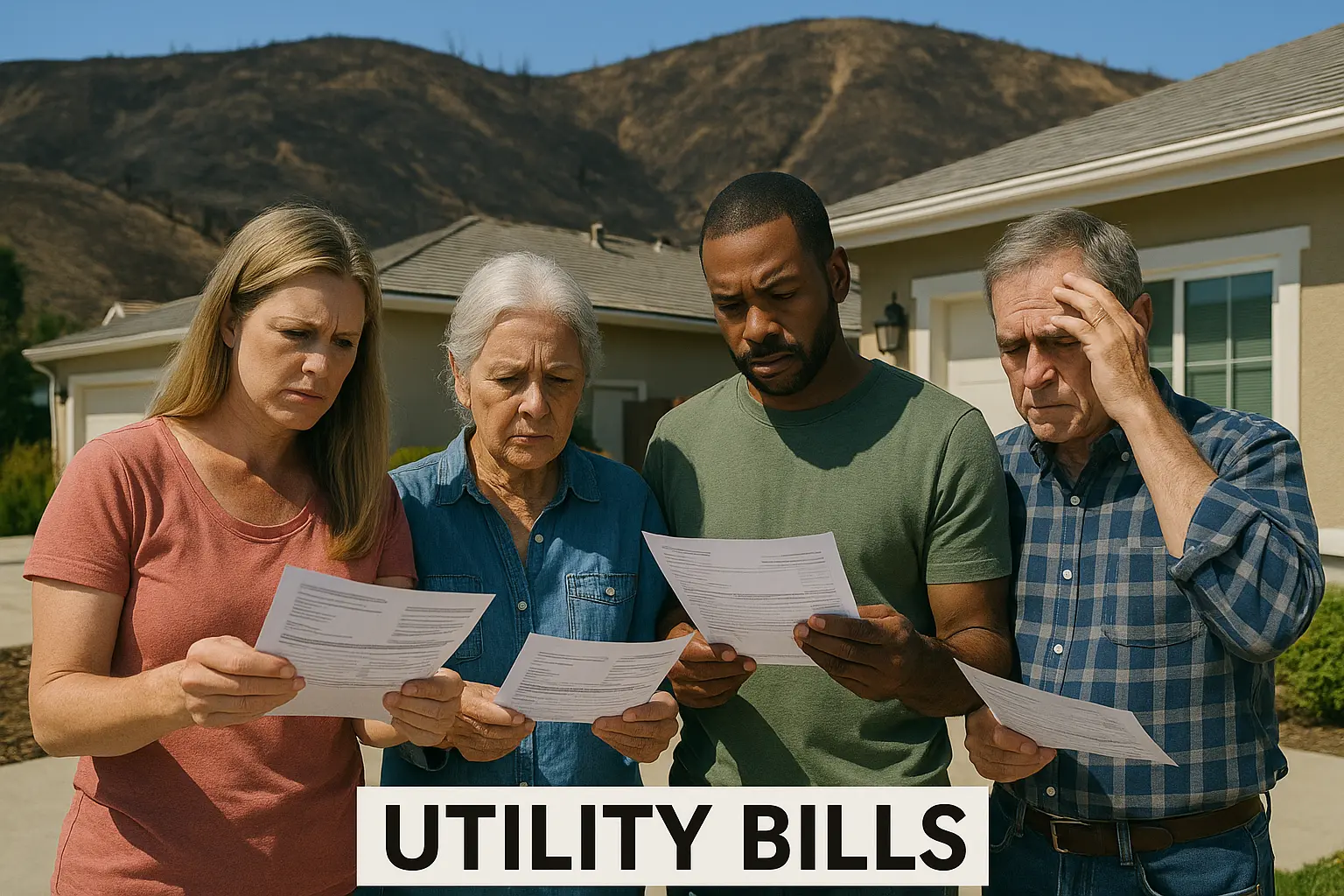
Shock $18 Billion Wildfire Fund Hits California Ratepayers and Utility Giants Alike
“It’s highway robbery for every California family-and Gavin Newsom is holding the getaway car!” declared a furious Orange County ratepayer after news broke that lawmakers are ramming through a massive new wildfire funding scheme. In a move sending shockwaves from the Capitol floor to Main Street, Sacramento’s last-minute $18 billion plan to backstop California utilities comes with a price tag that taxpayers and utility customers alike simply can’t ignore.
Wildfire Fund Deal: Taxpayers on the Hook-Again
This isn’t just another billion-dollar boondoggle from California’s Democrat supermajority-this wild new plan sees electric customers paying a monstrous extra $9 billion into the wildfire utility fund over the next decade. Already, hard-working Californians are shelling out $10.5 billion through surcharges on their monthly bills, and this deal would extend those charges well into the 2040s. All of it, lawmakers say, is designed to rescue for-profit giants like PG&E and Southern California Edison from devastation after another catastrophic season of utility-caused blazes, like this January’s Eaton Fire in Los Angeles, which destroyed over 9,400 structures and killed 17 people.
As the Associated Press reports, Southern California Edison now faces federal lawsuits and mounting settlements after fatal blazes linked to their equipment.
The lion’s share of the wild new windfall-another $9 billion-will come straight from the pockets of utility shareholders, sparking one of California’s fiercest legislative battles in years. Sparked by behind-closed-doors negotiations, the lightning-fast 229-page SB 254 bill was dumped on the State Assembly with only hours to spare, infuriating consumer advocates who say public scrutiny is being torched in the mad dash to give Newsom and his allies a win before election season.
“The California Legislature has betrayed the public trust-again. People deserve transparency, not backroom deals that lock us in for generations,” fumed an energy watchdog in Sacramento.
According to Reuters, Gavin Newsom says the plan means faster payouts for victims-but the real political play is clear: protecting power companies (and their stock portfolios) from going up in smoke. Just look at PG&E, which infamously filed for bankruptcy in 2019 after deadly wildfires before crawling back out in 2020. Meanwhile, California utilities’ stock prices are riding high-at least for now.
Big Utility Bailout Masks Troubling Fire and Funding Record
Start digging into the real crisis facing the Golden State, and the hypocrisy of Sacramento’s policy circus leaps out. While electric bills reach new highs, the dirty secret is California’s wildfire disaster owes plenty to decades of mismanagement, anti-logging policies, and-more recently-federal budget firefights. This year alone, the State of California plowed an extra $72 million into wildfire prevention on federal lands, accelerating over 100 projects after President Trump’s administration paused critical U.S. Forest Service programs, slashing staff by 25 percent and cutting the overall budget by 10 percent. Once again, California taxpayers are left cleaning up Washington’s mess-while Newsom blames D.C. for chaos that his own green special interests helped create.
Wildfires are only getting bigger and more deadly. The Governor’s Office reports major fire incidents on both state and federal land: The massive Gifford Fire in Los Padres National Forest burned more than 131,000 acres; the Garnet Fire in Sierra National Forest now covers nearly 55,000 acres and is only 14 percent contained. The cost in lives and destroyed property grows every year, and critics warn that simply throwing more money at the utility bailout machine won’t solve the core problems. Instead, it lines the pockets of shareholder activists and liberally-inclined executives while average homes and small businesses pay a perpetual penalty for living in wildfire zones.
“If this were truly about prevention, why are we seeing so much of this money go to legal claims and stockholder protections-and so little direct investment in clearing brush, upgrading infrastructure, or supporting fire departments?” a North State rural county supervisor asked at a recent town hall.
This massive windfall for the wildfire fund comes mere months after Southern California Edison forked over $80 million to settle claims for the 2017 Thomas Fire, which investigators blamed on their neglectful oversight of equipment. And with new lawsuits popping up after every major blaze, the sense is growing among taxpayers that the cycle will never end: utilities take the profits, the public absorbs the risk, and politicians cash campaign checks either way.
Sneak Attack Legislation Sidelines Taxpayers and Fuels Outrage
The timeline on this deal reads like a civics class horror story. With fire season raging and memories of deadly blazes still fresh, lawmakers dropped a rewritten 229-page bill with barely any time for review. The new $18 billion wildfire plan was unveiled within hours of the legislative session ending. Most Californians first learned about the new surcharge-the biggest in state utility history-after the stock market responded with a utility rally, as investors applauded the safety blanket handed to companies like Edison International and PG&E. Consumer groups, meanwhile, warned that ordinary families will see their monthly bills jump.
“Everything here smells like a bailout. Taxpayers are being forced to underwrite corporate failure while the state politicians smirk their way into the next donor dinner,” a ratepayer rights organization posted on X (formerly Twitter), echoing a growing backlash across social media channels.
One commentator blasted, “This shady deal keeps crony capitalists and career politicians in cozy careers while families lose homes and loved ones each October. Where is the accountability?”
Even some in Sacramento are voicing alarm. Critics warn that introducing major, multi-billion dollar amendments to must-pass bills at the last minute represents a breakdown in the public accountability process. SB 254’s co-author, Assemblymember Cottie Petrie-Norris, insists this legislative fire drill is all about “keeping the fund solvent” to protect the public-but outside opinion leans towards cynicism and outright opposition. The speed and secrecy of the proposal have raised the hackles of consumer advocates statewide.
In the shadows lurks another political reality: Governor Newsom’s administration has repeatedly jousted with President Trump (in his history-making second term since 2024), blaming partisan games for California’s rampant wildfire catastrophes even as state policies contribute to fuel buildup and delayed forest management. The state points defiantly to federal staff and budget reductions, but critics counter that Sacramento’s forest-thinning and controlled-burn budget has long lagged behind rhetoric-and that the bill was set up to serve unions, environmental lobbies, and monopoly utilities, not average homeowners or everyday ratepayers trying to keep the lights on.
As this wildfire funding deal barrels toward a Governor’s signature, it’s clear who the real losers are: taxpayers forced to play permanent insurance agent for Wall Street utility giants, and families left wondering when policymakers will finally get serious about fire prevention, rural infrastructure, and basic accountability.
The stakes couldn’t be higher with another heated election season looming and wildfire risks at an all-time peak-will Sacramento’s latest multi-billion dollar gamble finally spark real reform, or is it just wind, smoke, and more mirrors?
