
Trump’s Big Medicare Weight Loss Drug Push Hits Roadblock as Insurers Balk
‘We want to get these life-saving drugs to America’s seniors, but Washington red tape just keeps getting in the way.’ – Anonymous Medicare expert
Insurers Throw Cold Water on Trump’s Plan for Cheap Medicare Obesity Drugs
President Trump’s latest promise to deliver affordable weight loss medication to millions of Medicare seniors is facing a major roadblock-and this time, it is the mega-insurers calling the shots. UnitedHealth Group, the nation’s top Medicare Advantage provider, has cast doubt on whether the ambitious BALANCE program can even get off the ground, signaling strategic uncertainty and a tough financial calculus for the country’s health insurance giants.
The core of Trump’s plan is simple enough: use the power of the federal government to buy blockbuster GLP-1 drugs-like Wegovy and Zepbound-at a negotiated discount for Medicare beneficiaries. Drugmakers Eli Lilly and Novo Nordisk agreed to cut deals, offering their pricey treatments for about $245 per month, while seniors would pay about $50 out of pocket. But the math is only the beginning of the story. Without insurers like UnitedHealth onboard in sufficient numbers, the program literally cannot launch at all, as it requires buy-in from plans that cover at least 80% of eligible retirees.
UnitedHealth’s chief of government programs, Bobby Hunter, admitted this week there are ‘notable challenges and outstanding questions’ with the BALANCE program’s current structure, warning that uncertainty over insurer participation could derail the rollout. (Read more)
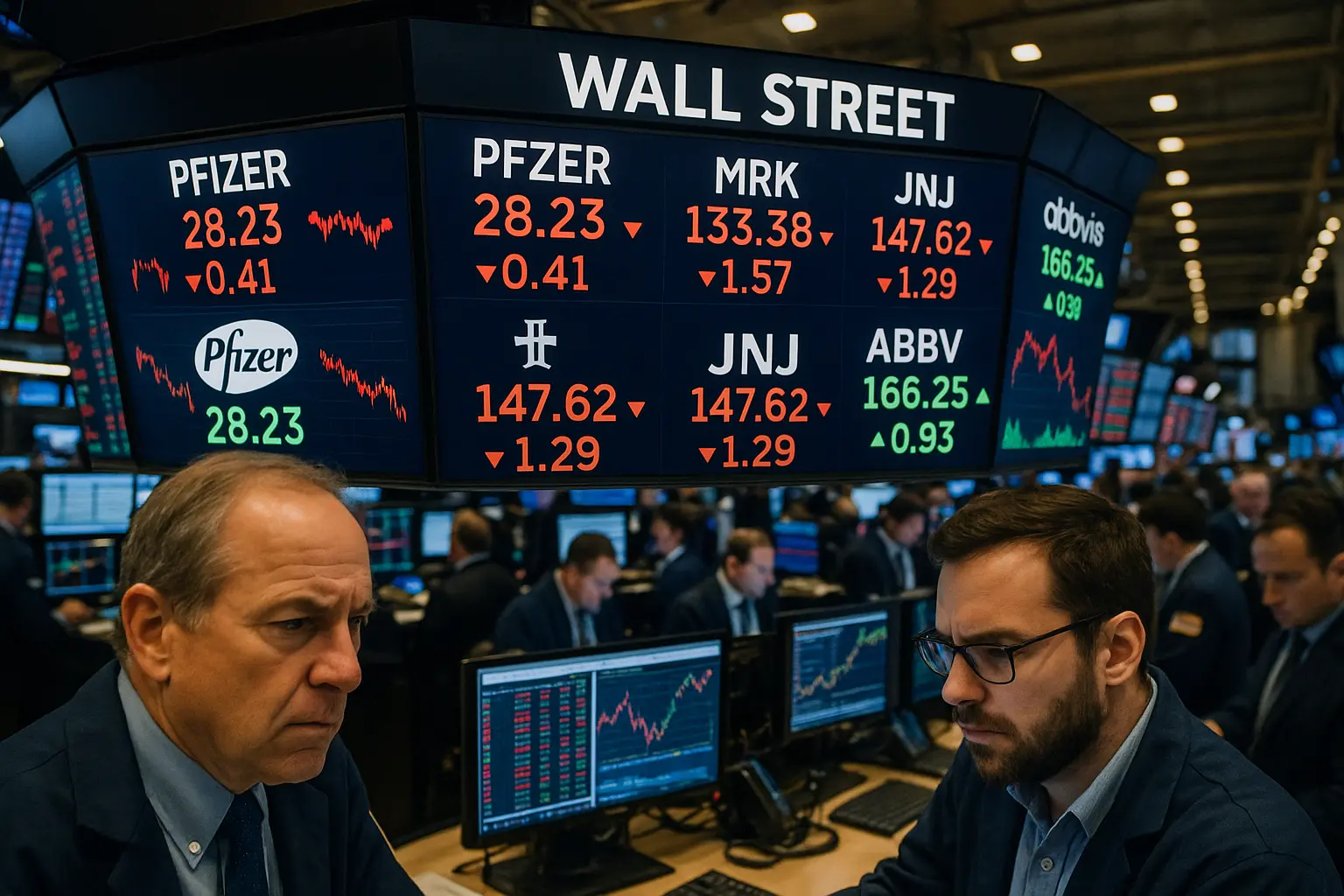
This hesitation rippled through the markets, with shares of Eli Lilly dropping 1.8% and Novo Nordisk sliding 2.6% on anxieties about whether federal coverage of weight loss drugs will actually happen for seniors. Politically, the stakes are sky-high: will Trump be able to force through a Medicare revolution, or will bureaucratic gridlock and industry pushback doom his latest campaign promise?
Behind the Scenes: Insurers Push Back as Trump White House Tries to Deliver Savings
While the Trump administration has been trumpeting its deal-making prowess, insurers are singing a very different tune in earnings calls and D.C. back halls. As details emerged, Wall Street and health sector insiders flagged big reasons why the BALANCE plan wasn’t a slam dunk. Leading the chorus was UnitedHealth, which-despite being in ‘good active dialogue’ with both CMS and CMMI-warned that financial risk-sharing and unclear regulatory guidance are giving the insurance industry pause.
Bobby Hunter, echoing worries shared by CVS/Aetna, stated, ‘We’d like to find a path to yes … but there are some notable challenges and outstanding questions.’ UnitedHealth, flush with data and actuarial insight, has reportedly provided specific recommendations to CMS, but the sticking points remain. The pilot can only move forward if 80% of plans opt in-a high bar requiring nearly every major player to play ball, or the entire experiment falls flat before it even starts.
Industry analysts haven’t minced words. TD Cowen’s Molly Turco called widespread insurer buy-in ‘unlikely,’ citing sky-high unpredictability. Citi’s Geoff Meacham went further, blasting the administration’s ‘open negotiation’ tactics as a catalyst for industry pushback and uncertainty.
“The Trump team wanted to show seniors they had a game-changing fix, but insurance behemoths aren’t signing up just to make good headlines. If there is no profit margin, why should they take the plunge?” – Health Policy Strategist, D.C.
The political ramifications? Massive. Not only are the drug companies watching their stocks slide, but seniors awaiting affordable access are now in limbo. Insurers, facing pressure from all sides, have little incentive to shoulder new, potentially massive, financial liabilities combined with untested administrative hurdles. If the insurers stand firm, the weight loss drug initiative could swing from showcase policy to bust-affecting both the bottom line in the health sector and Trump’s political capital with seniors, his most loyal base.
And the dominoes are already falling: CVS Health (Aetna) flatly declined to participate, deepening the uncertainty and directly contributing to the program’s delay. Insiders report the Centers for Medicare & Medicaid Services (CMS) is now scrambling to salvage the vision by rolling out a ‘bridge program’ for temporary access to GLP-1 drugs at cut prices starting in July-a stopgap, not a solution.
Political Fallout: Will the Medicare Obesity Drug Push Survive UnitedHealth’s Cold Feet?
With the 2026 midterms looming, the politics of affordable health care are front and center, and no issue stirs up grassroots passions like Medicare. President Trump’s promise of cheap, effective weight loss drugs for seniors was meant to be a slam dunk: a classic populist move that could hold the GOP’s aging, loyal coalition together. Instead, the pilot’s indefinite delay casts a shadow over a signature policy.
Sources confirm the Trump administration has ‘indefinitely delayed’ the BALANCE pilot after UnitedHealth and others balked at the financial risks. With Aetna out and market leader UnitedHealth hesitating, CMS’s hope to launch a major demo in July is now hanging by a thread. The fallback is a temporary ‘bridge’ approach, but even that requires insurer participation-and there’s little guarantee more players will line up.
‘We’ve talked to all the major health plans-they’re worried about upside risk, about CMS’s payment rules, about unforeseen costs if demand explodes among seniors,’ shared another senior industry executive, off the record. ‘No plan wants to be the first-mover and regret it.’
Meanwhile, some market analysts predict that the BALANCE program’s delay ‘may not hurt near-term demand’ for weight-loss drugs, as the full plan wasn’t slated to start until 2027. But for thousands of Medicare recipients-many of whom have voted GOP for years-the situation remains murky and morale low. Frustration is simmering across conservative-leaning social media, where many see the insurer pullback as just more evidence that Big Government and Big Insurance are rigged against everyday Americans.
Where does this leave Trump’s promise to seniors? Without enough industry participation, the plan is stuck in neutral, undermining claims that the administration can confidently deliver lower drug prices by fiat. The right is already bracing for Democrats to attack any delay as incompetence, even as others on the right blame greedy insurance CEOs for sabotaging reform for the sake of Wall Street profits.
As America inches closer to critical congressional elections, the fate of Medicare’s first-ever weight loss drug benefit could help shape the battle lines-Republicans demanding results, Democrats blaming GOP leadership, and seniors caught, once again, in the political crossfire. Until insurers take the plunge, the clock is ticking on Trump’s promise. And for now, the plan to deliver affordable weight loss drugs to older Americans is facing a crisis of confidence-with Main Street watching and waiting.