Supreme Court Lets Mississippi Enforce Social Media Age Checks, Sparking National Firestorm
‘Is this about protecting kids-or controlling speech?’ Conservatives rally behind parental rights as Big Tech fumes!
If you ask Mississippi parents and grassroots activists, they’ll say Washington just handed middle America a massive victory. Thursday’s shock move by the Supreme Court lets Mississippi enforce its new social media age verification law-aimed squarely at Big Tech’s unchecked power over America’s youth. From Main Street in Jackson to the halls of Congress, one question is echoing: Should Silicon Valley dictate how our kids grow up? The justices’ decision, which comes as lawsuits rage nationwide, means that age checks, parental consent, and new content protections will hit platforms like Facebook, X, YouTube, and more-in a fight over free speech, childhood safety, and, ultimately, who controls the culture of our next generation.
Cracking Down On Silicon Valley: What Mississippi’s Law Actually Means for Families
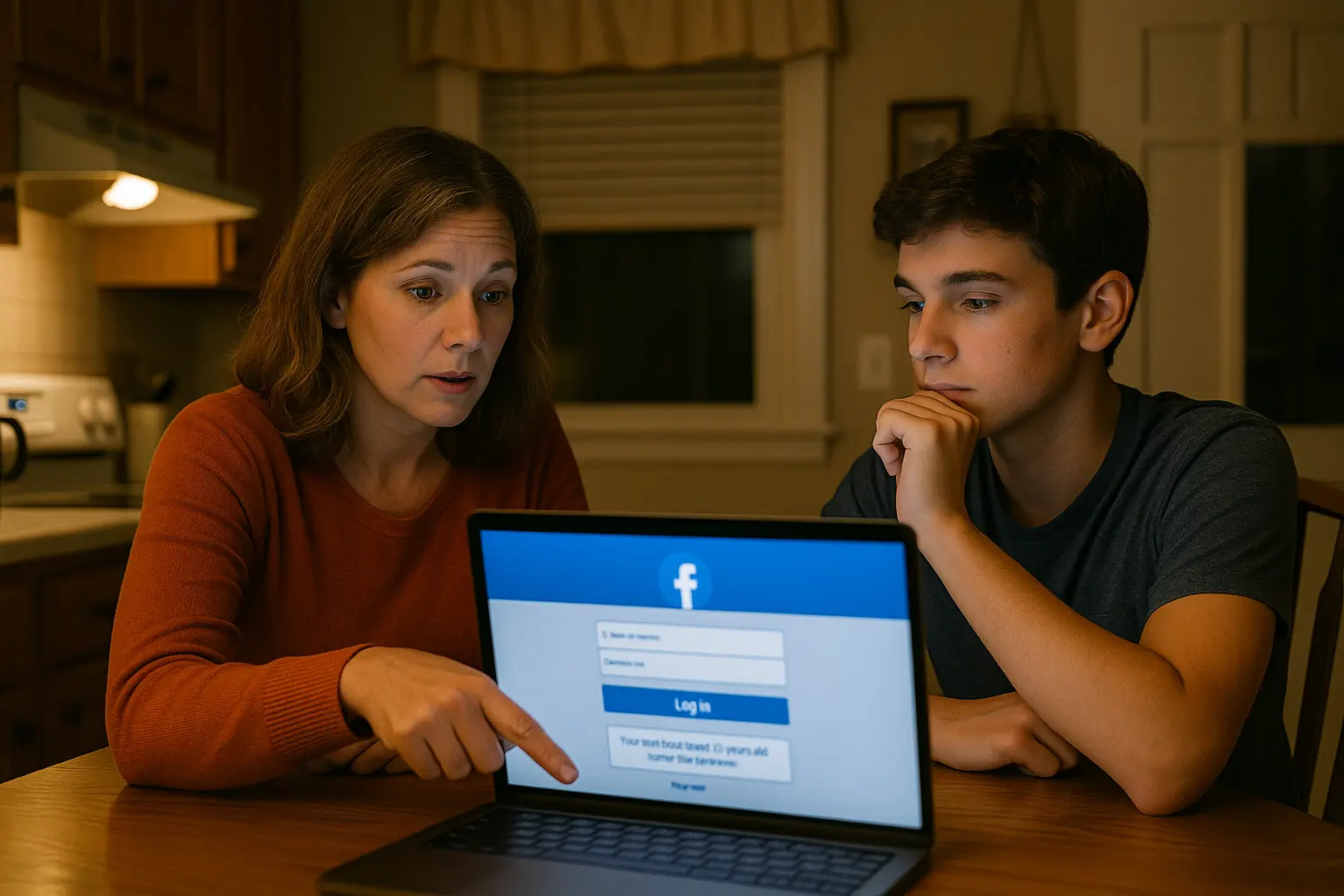
On Thursday, the Supreme Court declined tech industry pleas to put the brakes on Mississippi’s headline-grabbing age verification law. Instead, the nine justices gave the green light-at least for now-for the Magnolia State to push back against what’s become a bipartisan parental nightmare: addictive algorithms and unchecked content beamed straight into America’s kids’ bedrooms.
The law demands that social media giants verify every new user’s age and get explicit parental permission before any minor can open an account. For the first time, companies must make “reasonable efforts” to shield children from harmful content and face penalties up to $10,000 for each violation-fines that will surely sting even the fattest Silicon Valley pocketbooks.
Platforms in the legal crosshairs include not only Big Tech titans like Facebook, X (formerly Twitter), and YouTube, but also Instagram, Snapchat, Reddit, Dreamwidth, Nextdoor, and Pinterest. This wide net marks a bold statement: Mississippi-and states like it-are done apologizing to coastal elites who treat middle American children as test cases for their latest engagement-boosting schemes.
“If tech lobbyists cared as much about kids as they do about profits, we wouldn’t need this law,” said Mississippi mother and parental rights advocate Susan Miller, posting on X just hours after the verdict. Her post has already drawn thousands of likes and retweets from parents nationwide.
The ruling comes as a major rebuke to the powerful NetChoice lobbying group-best known for arguing that these age checks are ‘impossible’ and a burden on user privacy. But as parents’ groups grow louder about the mental health crisis spiraling among teens and preteens, states are refusing to back down. Mississippi’s message couldn’t be clearer: Big Tech’s wild west days are ending, and failure to comply will cost them dearly.
Free Speech, Big Tech, and the Rights of Parents: High Stakes & Furious Backlash
Make no mistake: the legal fight is far from over. The Justices’ ruling isn’t the final word. In a concurring opinion, Justice Brett Kavanaugh sounded the alarm, declaring that the law will “likely” violate First Amendment rights-and warning that NetChoice could yet prove it unconstitutional as the lawsuit plays out. Yet with President Trump’s judges leading the charge, the conservative movement sees the decision as a hard-won victory against the tech oligarchs who have exploited children’s data and parent’s trust for years.
Tech industry officials were quick to slam the ruling. NetChoice, the group representing nearly every major platform, claims the new law “will chill free expression” by making it impossible for those unable or unwilling to provide ID to access websites. Their argument? Age verification is “censorship” and opens up privacy risks for every American family. But for parents who’ve watched algorithm-driven content sink their children into depression and anxiety, those complaints ring hollow-and some would argue, self-serving.
“Look at who’s scared: The same tech executives who sold our kids out for ad clicks and engagement are now whining about ‘free speech’? Give me a break!” wrote one Mississippi father in a viral Facebook post-echoing the tone of many Republican lawmakers.
The conservative base has rallied behind the ruling, especially as 2026 midterm primaries heat up. Republican senators have vowed to back similar laws in other states, threatening a new wave of regulations that put families first and bring tech giants back under Main Street’s control. Meanwhile, the far-left press continues to wring its hands over “government overreach,” flipping the issue on its head to cast Big Tech as the helpless underdog. The reality, parents say, is quite different: in their eyes, this is a long-overdue rebalancing of power.
Why This Mississippi Battle Matters for All of America’s Families
This seismic Supreme Court decision has already sparked copycat bills and similar lawsuits from coast to heartland. States like Texas, Arkansas, and Utah are in the midst of their own fights to hold Big Tech accountable for children’s mental health-and that movement is gathering steam every week.
For the conservative movement, it’s about more than just enforcing better parental safeguards-it’s about reclaiming values in a digital world that’s all too often dictated by unelected, unaccountable CEOs in California. The tension between protecting children online and upholding free speech rights remains fierce, but the tide, for now, is turning against Silicon Valley’s ‘anything goes’ ethos. As reported by AP News, the Supreme Court’s refusal to block Mississippi’s enforcement points to a growing willingness-especially among conservatives-to put families and children’s wellbeing first, no matter how loud the lobbyists howl.
“Protecting the First Amendment doesn’t mean sacrificing our kids on the altar of Big Tech profits,” tweeted Louisiana Gov. Jack Landry, urging his own lawmakers to follow Mississippi’s example.
The stakes are soaring. The legal battles ahead could define how the internet is governed in America for decades. Will parents and states take back control, or will the megacorporations that run Facebook, YouTube, and Instagram continue to call the shots? With President Trump’s reelection solidifying a conservative Supreme Court, expect more bold, family-focused reforms. As the 2026 election approaches, Republican lawmakers know this is a winning issue-for parents, for kids, and for the future of American values.
Bottom line: Mississippi just became ground zero in the biggest battle for parental rights in a generation. With the Supreme Court’s blessing, the fight to keep kids-and American values-safe from Silicon Valley’s reach is on. Stay tuned, because this culture war is only heating up.