‘Late-Night Inquisition: Is the FCC Targeting ABC for Speaking Out?’
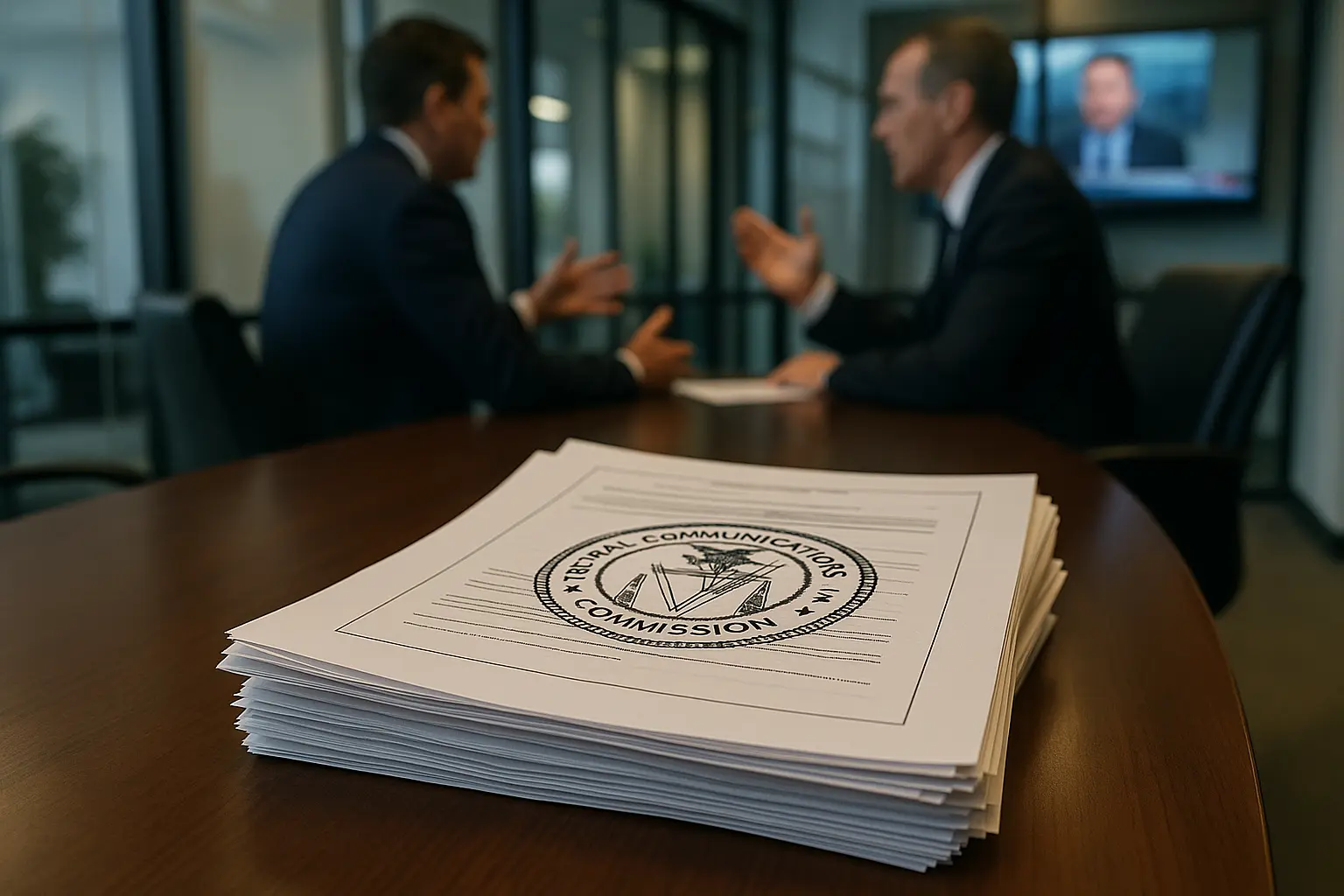
“When the government comes after you for what you say on TV, every American should pay attention.” That’s how a senior ABC legal advisor described the breaking news that Disney’s ABC network has dropped a legal bombshell on the Federal Communications Commission, suing the Trump administration’s communications agency for what they call a ‘retaliatory campaign’ designed to muzzle their newsrooms and comedians alike. The lawsuit, filed in federal court in Washington, D.C., doesn’t pull punches-ABC claims the FCC’s unprecedented order demanding early license renewals for eight of its major stations is nothing short of an attack on the First Amendment and signals to every broadcaster in America that the government can yank the microphone if it doesn’t like what you’re saying.
So what has ABC sounding the alarm? Only the most “egregious violation of the First Amendment by this FCC to date,” according to FCC commissioner Anna M. Gomez, who blasted the move in a public dissent. At the heart of the legal fight: an April directive that Disney and ABC submit license-renewal paperwork for all their major outlets-including the juggernaut 6abc in Philadelphia-years earlier than legally necessary, and with barely 30 days’ notice. In media law, it’s equivalent to pulling the fire alarm during primetime and expecting the anchors to stay calm.
‘If these actions go unchallenged, what network is safe from political retaliation?’ – First Amendment attorney quoted in court filings.
The move comes amid months of harsh rhetoric from President Trump and FCC Chairman Brendan Carr, both of whom have made no secret of their disdain for ABC’s coverage-especially with outspoken late-night hosts like Jimmy Kimmel and controversial roundtables on ‘The View’ sitting in the agency’s crosshairs.
Whistleblowers, War of Words, and the ABC vs. FCC Showdown
Let’s break down exactly why this legal feud has the news industry-and free speech advocates-buzzing. First, pundits say the FCC’s early-renewal order is almost unheard of, with the last such move on record occurring more than fifty years ago in 1972. This time, however, the order wasn’t only speedy, it was sweeping: eight Disney-owned ABC stations, including 6abc, were told to prepare paperwork and submit it within a month, their fate suddenly in the hands of what critics are calling a ‘politically motivated’ review process.
The FCC’s official line? The agency insists it’s simply enforcing compliance with “equal-time” election laws, citing concerns over Disney’s controversial Diversity, Equity, and Inclusion initiatives bleeding into programming coverage. Sources in the commission frame it as just business; but the lawsuit throws a much darker shadow, accusing the FCC and the Trump administration of retaliating for ABC’s editorial decisions, including pointed political jokes and tough interview questions.
Critics-on both sides of the aisle-are raising eyebrows. Commissioner Gomez called the move a ‘clear overreach’, stating, ‘the most egregious action this FCC has taken in violation of the First Amendment to date.’ Longtime observers of regulatory independence say the whole affair smacks of selective enforcement, hinting a network’s survival could depend on political favor.
‘This is not just about ABC-it’s about preserving independent voices in broadcasting at a time when media is already under heavy fire from all directions.’ – Director, National Coalition Against Censorship
For ABC, the stakes couldn’t be higher. Their lawsuit describes the FCC’s demand as an existential threat, chilling not only to them but to all media houses nationwide. In the shadow of Trump’s second-term policies, critics fear a precedent is being set that could embolden the government to punish any broadcaster whose editorial choices enrage those in power.
Trump’s Free Speech Battlefield: Political Fury and Press Freedom on the Line
There’s no mistaking the broader context. Media-watchers note that President Trump, buoyed by his 2024 reelection, called repeatedly for the revocation of broadcast licenses for “fake news,” particularly sharpening his attacks on ABC and other critics. The White House has publicly lambasted both the network and its on-air talent for everything from alleged ‘liberal bias’ to supposed election interference-a tune familiar to millions of conservative viewers who feel misrepresented by mainstream networks.
Yet, some say the FCC-now openly led by Trump loyalist Brendan Carr-may be wading into legally and ethically dangerous waters. The core argument: Can the government wield its regulatory power to scrutinize news organizations whose editorial stances it dislikes? If the courts side with the Trump FCC, it could mark a drastic reinterpretation of First Amendment protections that have shielded U.S. journalists and networks for generations.
ABC’s lawsuit, and the political storm swirling around it, comes at a time of record polarization. Public trust in media is at historic lows. Social media has lit up with both cheers and jeers, with many conservatives celebrating the FCC’s crackdown as a long-overdue check on “corporate news propaganda,” while press freedom groups and left-leaning commentators are ringing alarm bells about creeping authoritarianism. A viral post on X (formerly Twitter) summed up a common right-wing reaction: “If ABC can’t follow the rules, pull the plug. The First Amendment doesn’t mean you get a government-protected monopoly on lies!”
‘Once you weaponize the FCC to punish networks for content, you risk opening Pandora’s box-and no one, left or right, will like what comes next.’ – Law professor, NYU School of Law
The practical fallout? Disney and ABC are seeking not just to halt the FCC license challenge, but to set a clear legal limit on how far any administration-Trump’s or otherwise-may go in policing media content. At stake is more than just the fate of Jimmy Kimmel’s jokes or the future of ‘The View’-it’s the very principle of whether any president can use federal agencies to take on the press.
With both 2026 midterms and the 2028 White House race drawing near, the lawsuit’s outcome will shape the political landscape. A ruling in favor of Disney and ABC could rein in future White House overreach and reaffirm the independence of American journalism. But if the FCC prevails, conservative activists will likely double down on efforts to overhaul the “mainstream media”-and networks across the political spectrum may think twice before crossing any president in power.