
Pentagon Plans Massive $500 Million Cobalt Reserve As China Chokes Off Supplies
“America can’t operate on hope – we have to secure our future. This bold cobalt move is long overdue.”
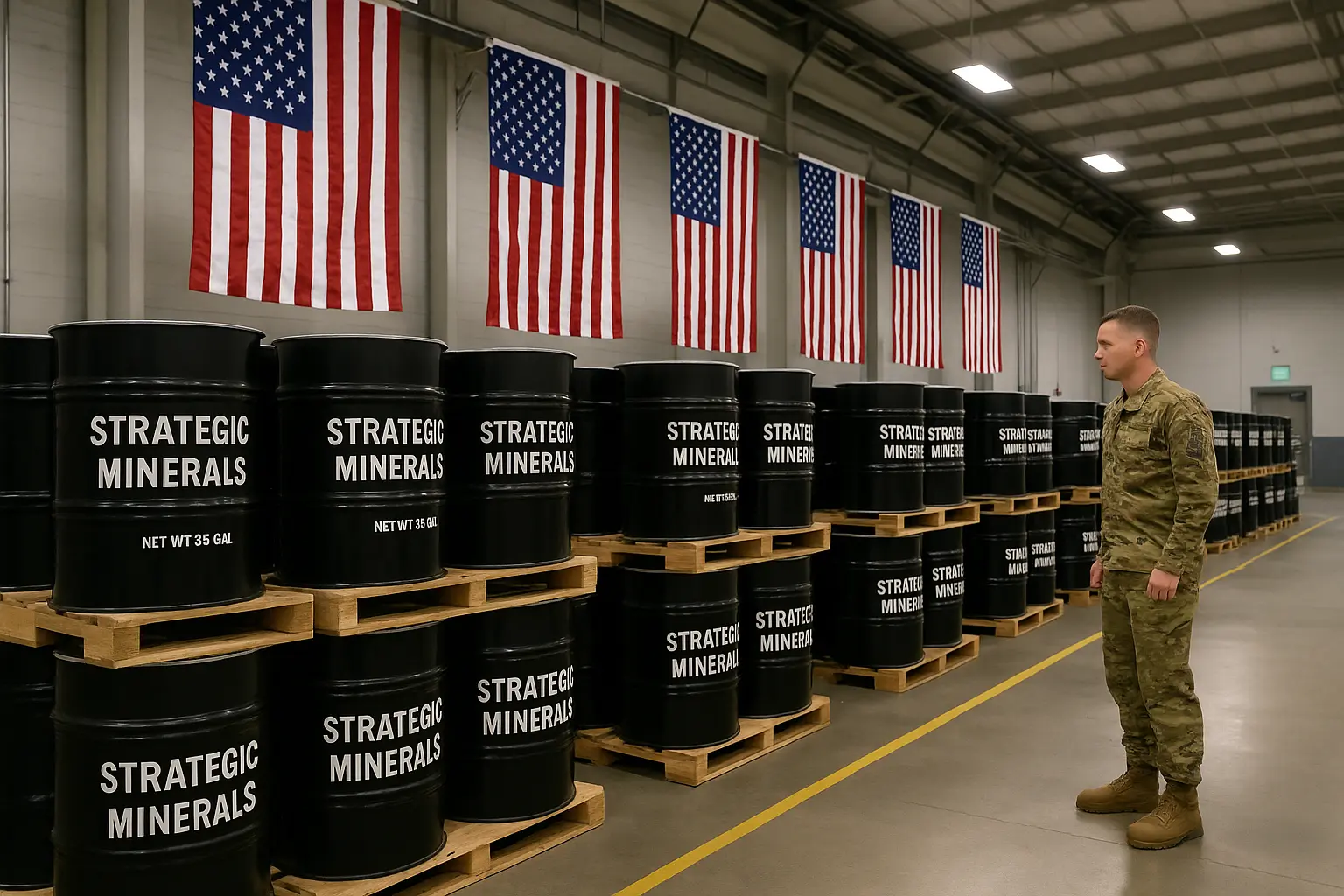
In a striking return to Cold War-style preparedness, the U.S. Defense Department has unveiled its most ambitious critical minerals strategy in decades – launching a five-year plan to purchase up to 7,500 tonnes of cobalt for America’s first strategic cobalt stockpile since 1990. This headline-making move rolls out as global tensions spike and China, the world’s top mineral superpower, tightens its grip on vital resources. The Pentagon’s cobalt shopping spree, expected to hit the $500 million mark, reflects a full-throated push to reshore American strength and break free from Beijing’s industrial chokehold.
China Ramps Up Resource War – White House Strikes Back With Cobalt Play
If you think Americans can rely on globalists for our future, think again. Just this week, China announced a new set of regulations to further clamp down on mining, smelting, and separation of rare earth elements. With these minerals underpinning everything from F-35 fighter jets to the batteries in electric vehicles and critical missile systems, the strategic threat is impossible to ignore.
“The days of America being asleep at the wheel are over. President Trump is making sure we aren’t left scrambling for key materials when the chips are down,” said one senior defense official.
The Biden era saw America’s adversaries outmaneuver Washington on rare earths, while Silicon Valley and green energy lobbyists tied the country’s fate to foreign supply chains. But with President Trump reelected and determined to restore U.S. sovereignty, the administration has gone on offense. In March, Trump invoked emergency powers to kickstart domestic mineral production, a move aimed directly at checkmating China’s near-total dominance in the critical minerals sector.
Washington’s strategic cobalt acquisition – managed by the Defense Logistics Agency (DLA) – is just the latest, and one of the most muscular, signs that the U.S. isn’t bluffing. The DLA’s solicitation makes it clear: the cobalt must be delivered in long-term storage-ready form, not tied up in speculative markets or subject to overseas interference. No more relying on the whims of globalist trade bureaucrats.
Pentagon’s Cobalt Stockpile: What’s At Stake and Who Benefits?
Why cobalt, and why now? The answer is simple: national security. Cobalt is a cornerstone for high-tech aerospace projects, advanced weapons, and the batteries that keep America’s military rolling. The planned 7,500-tonne stockpile is the first such acquisition since 1990, a period when the world was far less volatile and U.S. dominance went unchallenged. According to Reuters, the Pentagon’s purchase is calculated to insulate our supply lines from sabotage and leverage plays orchestrated by rival superpowers.
Notably, this is not a program reserved for America’s small businesses or Main Street miners. The DLA’s procurement, as outlined by industry sources, is open to the world’s cobalt titans, with the North American Industry Classification System code set at 331410 (Nonferrous Metal Smelting and Refining). That means big players like Vale SA, Sumitomo Metal Mining, and Glencore Nikkelverk – not startups – will be the ones at the table. Critics may snipe about Big Mining, but in an era of global scarcity and hostile actors, America can’t afford amateurs when lives and freedom are on the line.
“Our adversaries are stockpiling every strategic advantage. America has to do the same – or get left behind.” – Defense Policy Expert, Heritage Foundation
The amount of cobalt sought is enough for years’ worth of advanced fighter jet components and high-powered batteries. It’s also a practical check on Chinese economic blackmail, with the purchase amount ranging from $2 million up to the $500 million ceiling. The DLA reserves the right to buy less than the full amount based on market volatility and strategic needs, ensuring taxpayers don’t get fleeced if the global tide turns.
Just this month, the White House doubled down by naming a battle-tested former mining executive, David Copley, as head of a new National Security Council unit focused exclusively on shoring up America’s critical minerals pipeline. This is real action – not ivory tower talk, but an all-of-government push to close the gap with China, Russia, and other adversaries hungry for America’s technological edge.
America Gets Serious: Supply Chain Patriots or Globalists’ Last Stand?
An energized conservative voting base has long demanded the U.S. cut the cord from China’s stranglehold on technology and raw materials. This policy reversal isn’t happening in a vacuum. The CHIPS Act – championed by Trump allies in Congress – is now under review for reallocation of up to $2 billion to critical mineral projects dedicated to U.S. national security, as exposed by Reuters insiders. Gone are the days when bureaucrats funneled cash to green grifters for overseas battery plants while American manufacturing starved for resources.
“Americans want jobs, stability, and a country that can stand on its own feet – not a debt trap to Beijing’s communist cartel,” declared Rep. Marjorie Taylor Greene in a viral social media post this week.
Already, liberals are up in arms – some worry about “overreach” or the environment (while happily importing tainted minerals from totalitarian states), while others declare it a “Big Mining giveaway.” But with the Chinese Communist Party boldly imposing rare earth export restrictions and U.S. auto manufacturers directly impacted by a 75% plunge in rare earth magnet imports this quarter, nobody can argue the threat isn’t real.
The cobalt push is also part of Washington’s broader effort to investigate and police potential threats hiding in imported technology, with the Commerce Department opening a national security probe into wind turbines and key foreign components just days ago. The writing’s on the wall: America’s back in the driver’s seat, ready to run the table or upend the status quo if foreign powers refuse to play fair.
Election Edge: Trump’s National Security Gamble or Democrat Denial?
With the 2026 midterms on the horizon, the stakes have never been higher. President Trump’s industrial policies – derided by coastal elites, but cheered by America First conservatives – are shifting the conversation from “climate compliance” platitudes to real-deal national security action. Even critics must admit: these moves are bold, targeted, and disruptive, offering an unambiguous break from the nation’s dependency spiral.
“When the next crisis hits, American voters won’t care about woke symbolism – they’ll want jet fighters in the sky and trucks on the road. Cobalt stockpiles mean we choose our destiny, not Beijing.” – Senior Pentagon Official (anonymous)
National security hawks see this as a turning point. For decades, American leaders ignored warning signs and let foreign adversaries corner the mineral markets while pontificating about climate targets and social justice. But with Trump restored to the Oval Office, his team is delivering the message loud and clear: America’s future cannot rest on foreign mercy.
As the Biden-era crowd howls about “environmental risk” and “corporate favoritism,” the reality resonates with millions of patriotic voters: This is what standing up for U.S. jobs, manufacturing, and homeland security looks like. The war over critical minerals is just beginning – and, this time, the American people are watching who really wins.