
Outrage in Charlotte: DOJ Targets Repeat Offender With Death Penalty for Train Stabbing
‘How many more innocent lives must be lost before these failures end?’ – Local businessman at city vigil
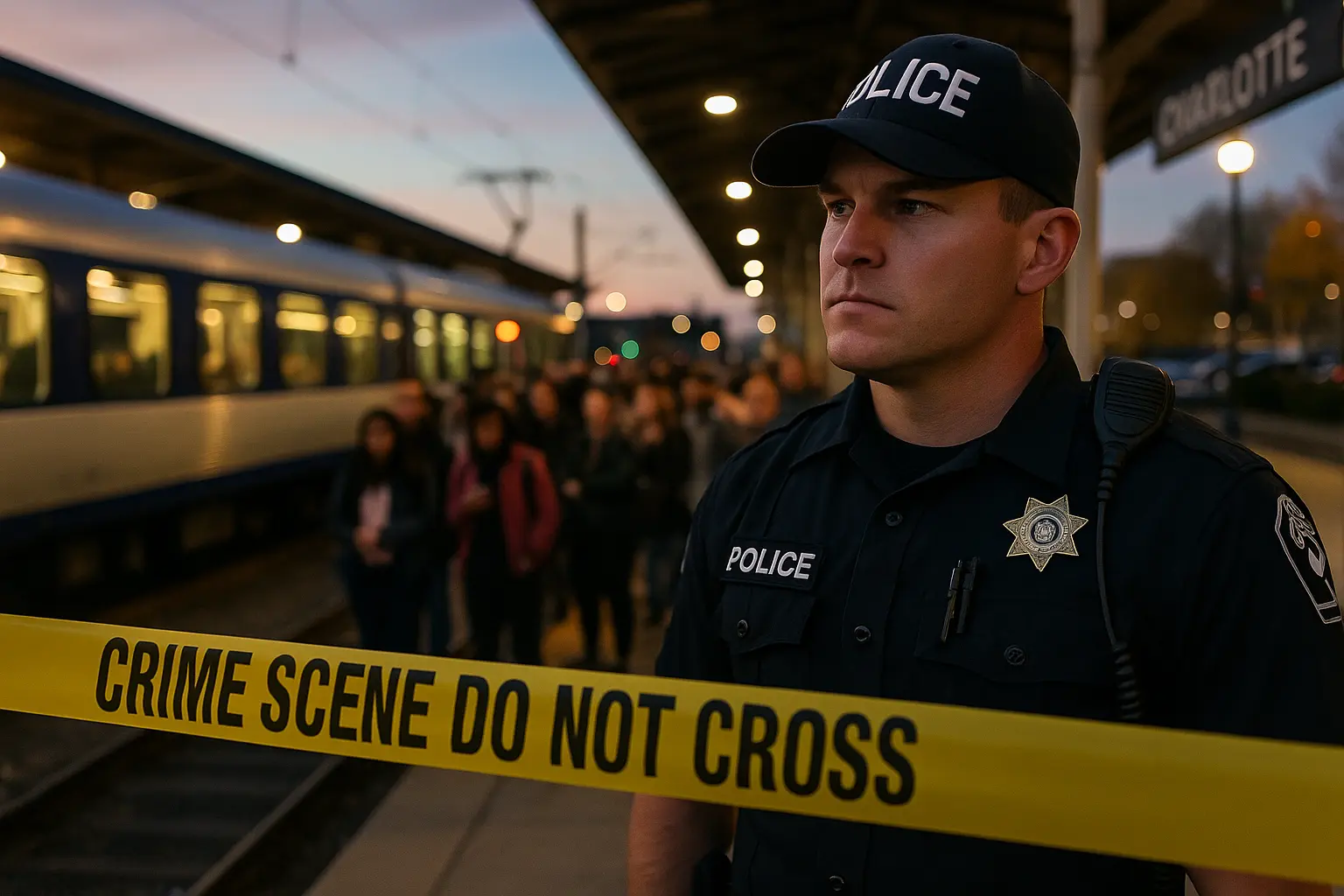
Shock waves are still rippling through Charlotte-and across the country-after the horrifying killing of 23-year-old Ukrainian refugee Iryna Zarutska on the city’s Blue Line light rail train. The Department of Justice has now slammed DeCarlos Brown Jr., the suspect and a man with a staggering history of criminal activity and mental illness, with a federal homicide charge that leaves his fate hanging between life behind bars and a possible death sentence. Yet the real outrage dominating social media and city streets alike isn’t just over the violence itself, but over what many see as a catastrophic collapse in public safety by liberal city leadership-and the very systems taxpayers rely on to keep families safe.
Repeat Offender Runs Riot: How Was Brown Free to Roam and Kill?
Many Charlotte residents are left with one burning question: How did a man with fourteen previous criminal cases-including armed robbery-end up free and unchecked on a commuter train packed with unsuspecting civilians? Records show Brown had been involuntarily committed for psychiatric care earlier this year, after authorities diagnosed him with schizophrenia. But instead of continued oversight or secure placement, he was released back onto the streets-free to target an innocent woman just looking for safety after fleeing wartime Ukraine.
The brutality of Zarutska’s last moments is chilling. According to surveillance video from CATS, Brown pulled a pocketknife and stabbed the young refugee in the neck without provocation as she rode the city’s flagship light rail system. The DOJ’s case names it plainly: an act causing death on mass transit-a crime so egregious it could warrant the death penalty.
‘We will seek the maximum penalty for this unforgivable act of violence,’ vowed U.S. Attorney General Pam Bondi, lighting up conservative news feeds and signaling a new era of law-and-order justice under the Trump administration.
This swift response is widely seen as a direct rebuke to the city’s progressive criminal justice establishment, often accused of coddling repeat offenders and failing to keep mentally unstable individuals from harming the public. The tragedy now stands as glaring evidence-according to many parents and working stiffs-that so-called “safe city” reforms are anything but safe.
City Hall on the Defensive: Security Lapses Trigger Federal, State, and Public Backlash
Zarutska’s murder has unleashed a torrent of anger against Charlotte city leaders and the Charlotte Area Transit System (CATS), exposing a long-ignored weakness in the way public safety is handled on vital infrastructure. The most damning revelation? No security personnel were present on the train at the time of the murder. Instead, CATS had been relying on ‘roving patrol’ teams rather than placing officers on every train-leaving daily commuters and vulnerable newcomers alike completely exposed.
Mayor Vi Lyles rushed to promise increased security measures ‘effective immediately,’ but many residents question why it took a highly publicized killing to spotlight dangerous gaps in routine protection. As angry posts and calls for accountability pour in, some elected leaders are already scrambling to distance themselves-while critics argue bureaucrats have prioritized budgets and politics over public safety for years.
In a decisive move, state officials have now entered the fray. The North Carolina State Auditor just launched a complete audit of CATS’s safety protocols and public safety spending. Many view this as a long-overdue reckoning and a sign that top-down change could be on the way-not only for the transit system but also for the entire city government’s approach to law enforcement.
‘We have no faith left in these failed, soft-on-crime policies,’ charged a parent at Tuesday night’s rally, echoing the feelings of countless citizens demanding accountability and permanent change.
Calls for action are louder than ever, ranging from immediate staff changes to federal receivership of city transit. The case has ignited discussion in conservative circles about the return to visible policing, the need for tough-on-crime policies, and the dangers of allowing mental health concerns to excuse or enable violent behavior against innocents.
Political Shockwaves: What the Charlotte Slaying Means for 2026-and Beyond
This gruesome crime has become more than just a tragic story – it has morphed into a lightning rod for broader debates on public safety, mental health, and the failures of anti-police politics. Grassroots conservatives are already organizing for the 2026 midterms, hammering home the clear contrast between Trump-era justice-swift, strict, and publicly accountable-and Democrat-endorsed policies that have failed to prevent yet another senseless killing by a repeat felon.
Supporters of the Zarutska family point to clear evidence of systemic failures: from repeated missed red flags about Brown’s criminal and mental health status to transit safety protocols that left a city-center train virtually unprotected. Meanwhile, some on the left have rushed to blame ‘systemic underfunding’ and so-called ‘root causes,’ prompting harsh rebuttals from victims’ advocates demanding real reforms.
‘This shouldn’t even be a political issue-public safety is non-negotiable,’ argued a local police union rep at Wednesday morning’s press conference. ‘If the city had done its job, Iryna would still be alive.’
The DOJ’s willingness to pursue the ultimate penalty has drawn cheers from many in the conservative base, who see the move as a sign of returning strength and moral clarity under President Trump’s recently re-elected administration. AG Pam Bondi emphasized that her office will use every tool available under federal law to bring justice for Zarutska and make sure Charlotte’s public transit is no longer a breeding ground for horror.
Only time will tell if this tragedy finally sparks overdue action-or if, as some fear, it will be just another forgotten statistic. As the 2026 midterms draw closer, expect to see this case front and center in debates over crime, immigration, and the fate of American cities. What’s clear is that voters have had enough. Justice, security, and common sense are back on the ballot.