Microsoft and OpenAI Cut Monumental Deal, Pave Way for AI Monopoly Shakeup
‘When big tech and unchecked dollars collide, regular Americans get locked out.’ – Twitter user @HeartlandGranny sparks firestorm as Microsoft and OpenAI drop their power move.
Behind Closed Doors: Microsoft, OpenAI Remake the Rules of AI Business
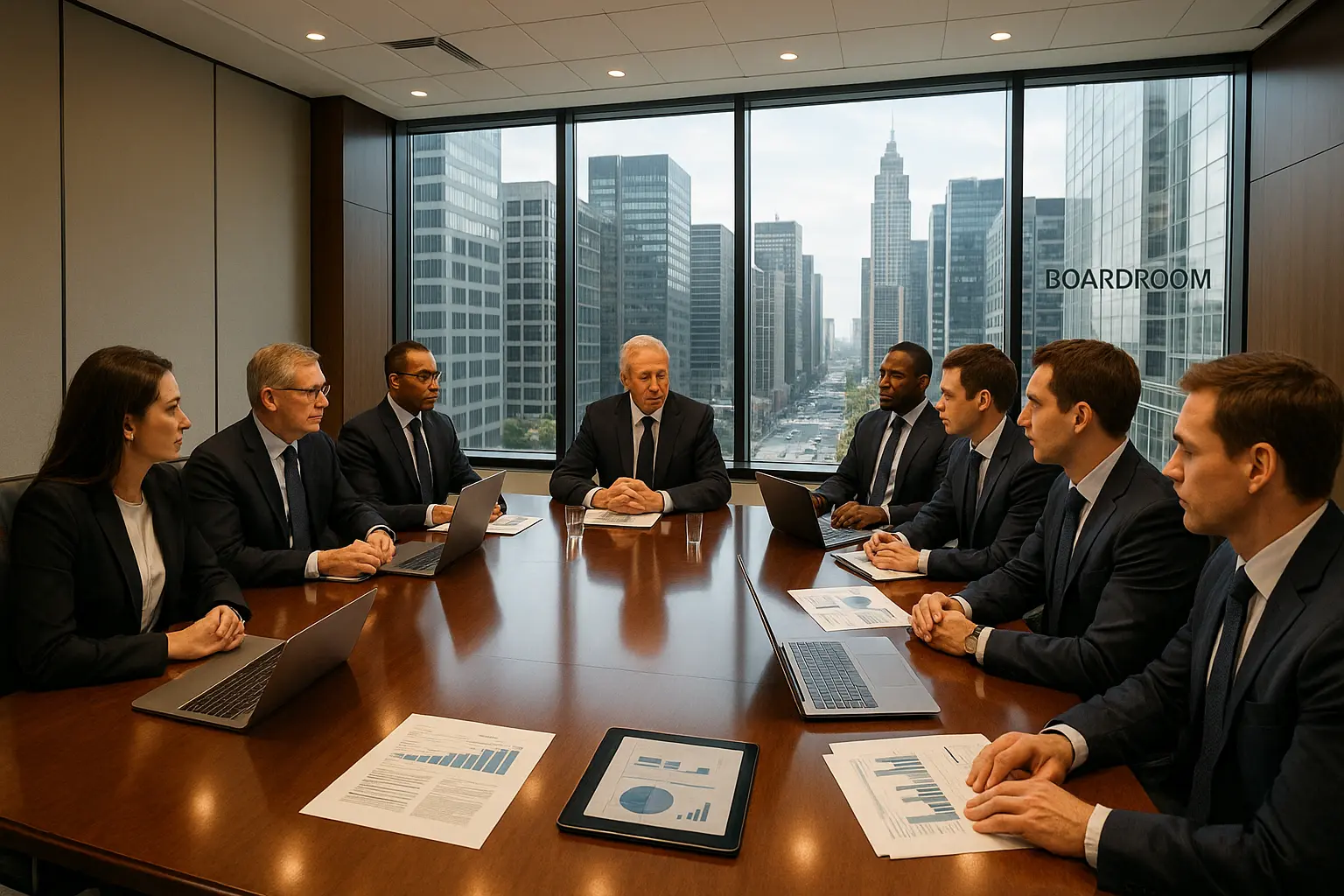
The world of Silicon Valley was rocked this week as two tech titans, Microsoft and OpenAI, penned a tentative agreement to shake up their partnership. The mega-deal puts OpenAI on track to morph from nonprofit to for-profit – and hands Microsoft the keys to even more of big tech’s almighty kingdom.
The skeptics are already lighting up social media. X user @LibertyFirst posted: ‘Massive move for Microsoft, but what about innovation for the little guy? This is how tech monopolies are made!’ With this restructuring, OpenAI gets its long-coveted public benefit corporation status – a legal maneuver that lets it issue shares, tap Wall Street, and rewrite how artificial intelligence reaches the masses. Insiders say both companies are scrambling to wrap up the legal hurdles in California and Delaware before the year ends, lest they risk blowing up crucial financing. Regulatory authorities are watching closely.
The dollar signs are blinding: OpenAI’s nonprofit parent is slated to walk away with a stake valued at $100 billion. That’s right – $100 BILLION, promising to make it one of the most flush philanthropic entities on the planet. Meanwhile, Microsoft is looking to line its pockets with nearly half of OpenAI’s future profits. The catch? OpenAI will dramatically shrink the share of revenue it shares with outside commercial partners from a whopping 20% to just 8% by 2030, retaining $50 billion more for itself.
One policy expert told RedPledgeInfo, ‘Americans should be asking who controls the brains of AI – the smart money or the public good?’
As the ink dries on this not-so-public plan, some lawmakers are sounding alarms about the speed and scope of this private transformation. If approved, it could cement the biggest AI-powered partnership in the world, forever redrawing the map for innovation, privacy, and, yes, competition. With dominance on the line, all eyes are on the regulatory referees.
Monopoly Games: Microsoft Tightens Grip as Tech Giants Outmaneuver Rivals
For years, Microsoft has been making aggressive bets on artificial intelligence – and its marriage with OpenAI is proof the tech Goliath will stop at nothing to stay on top. The Seattle giant first plowed $1 billion into OpenAI back in 2019, then doubled down with a staggering $12 billion in early 2023. In the process, it snagged exclusive rights to sell OpenAI’s powerful tools through its Azure cloud. This was no accident; under the radar, Microsoft was setting the stage for dominance in the next generation of computing.
But OpenAI has made some bold moves of its own. In the last year, it’s stepped out of Microsoft’s shadow by launching its own Stargate data center and penning long-term deals with Oracle and Google. The endgame? No more dependence on a single big-tech titan. Yet even as OpenAI spreads its wings, the new agreement is poised to give Microsoft a 49% cut of the company’s future profits – plus huge technical collaboration advantages that few competitors will ever see.
Tech insiders see this as the final chess move in a high-stakes power game.
One independent analyst told RedPledgeInfo, ‘Microsoft has engineered a scenario where it pulls the strings on AI, while the competition is stuck racing for scraps.’
Conservatives and privacy advocates alike see trouble on the horizon. With so much money, talent, and proprietary tech locked into one partnership, what happens to innovation? Will breakthrough inventions now depend on approval from the tech elites in Redmond and San Francisco? As the partnership consolidates, the questions only get bigger – especially as Main Street Americans start to realize the future of digital life could be written in Microsoft code and OpenAI algorithms.
And there’s another angle: with OpenAI reducing the cut it sends to commercial partners, smaller players will find it even harder to compete. Industry watchdogs predict that this will only accelerate the AI arms race, putting smaller businesses and independent researchers at a sharp disadvantage. In a year where Trump’s regulatory agenda is cracking down on Big Tech overreach, this deal could become ground zero for the next conservative battle on behalf of competition and consumer choice.
Follow the Money: Who Really Wins in the OpenAI–Microsoft Gold Rush?
Let’s cut through the smoke and mirrors: the big winners here are the boardroom elite and institutional investors standing to rake in astronomical returns, while everyday Americans are left wondering how these mega-partnerships will impact jobs, freedoms, and the market itself. OpenAI’s so-called nonprofit arm is launching token community initiatives – offering grants for AI literacy and public understanding – but critics pounce, calling it window dressing for a much broader consolidation of commercial power.
The structure is dizzying: while OpenAI’s nonprofit controller gets its $100 billion equity stake, Microsoft walks away with contractual rights to 49% of OpenAI’s newly generated profit. The old promise that AI would remain a “public good” is fading fast, replaced by eye-watering valuations and complex corporate control. And don’t forget, under the coming terms, OpenAI will ‘only’ share about 8% of its revenue with Microsoft and other partners – a massive drop from today’s 20%. That’s $50 billion or more that will, instead, fatten OpenAI’s bottom line and power new lobbying muscle in the nation’s capital.
As one small-business advocate told RedPledgeInfo, ‘These guys talk about the power of AI for everyone, but at the end of the day, they only ever empower themselves.’
It all comes as the 2026 midterms loom, and the Republican-controlled House vows to drag Big Tech CEOs back under oath. Conservative lawmakers warn that, in the age of runaway consolidation, AI could wind up as just another weapon for elites to mold the nation’s culture, politics, and economy to fit their own worldview.
President Trump’s administration is watching – and with conservative appointees at the helm of key regulatory bodies, there’s growing talk of antitrust scrutiny and oversight to break up the next digital monopoly before it cements. Whether Main Street benefits from any AI-powered trickle-down remains to be seen. But for now, the Microsoft–OpenAI axis stands unchallenged, awaiting only the final sign-off from paperwork-weary regulators. The tech gold rush is on – and, as usual, the American heartland is left asking, ‘Where’s our piece of the future?’