
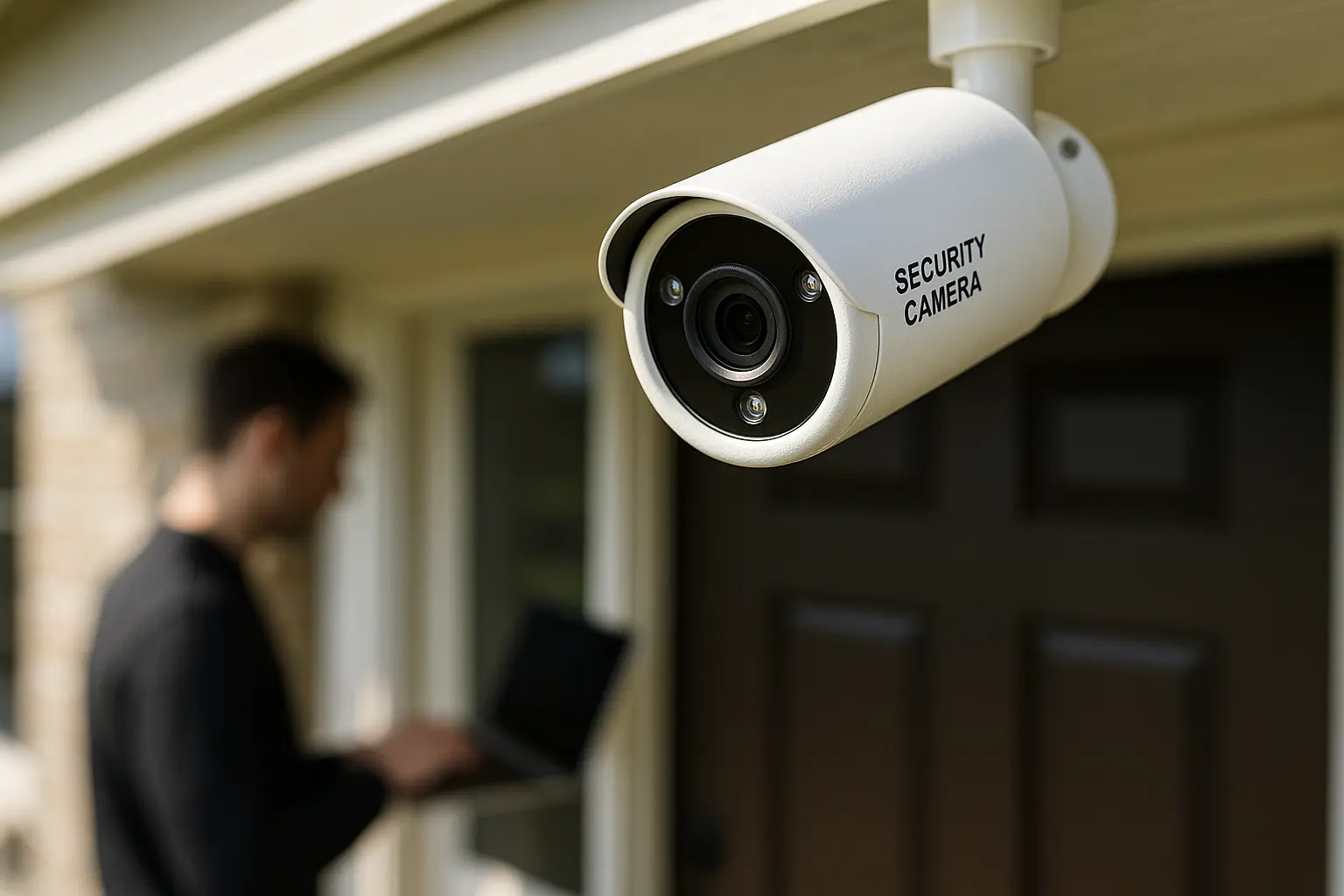
Nebraska AG Slams Lorex Cameras Over China Spy Fears And Privacy Dangers
‘You think you are protecting your family, but the real threat might already be inside your home,’ declared a concerned Nebraska parent after learning their Lorex security cameras could be opening a backdoor to Beijing.
Nebraskans are waking up to a harrowing new threat that is not lurking in the shadows, but blinking from their own walls. On Tuesday, Nebraska Attorney General Mike Hilgers detonated a legal bombshell, suing Lorex, one of America’s most popular home security camera brands, for what he called ‘reckless deception’ about their true security risks and hidden ties to the Chinese Communist Party. In a state that values straight talk and freedom, Hilgers’ lawsuit signals a furious line in the sand-one that every American should heed: are the so-called security devices in your living room secretly watching for Beijing?
Red-Flag Warning: Are Chinese Hackers Watching Your Home Through Your Security Cam?
It sounds like a dystopian TV plot, but the dangers are all too real. According to the lawsuit filed by AG Hilgers, Lorex-whose cameras line the shelves of big-name retailers like Costco, Home Depot, Kohl’s, and Nebraska Furniture Mart-has been misleading Nebraskan families with claims of air-tight security and ‘total privacy protection.’ In reality, the products aren’t just susceptible to digital prowlers, but might be acting as spies for their Chinese makers.
Hilgers’ explosive lawsuit contends that Lorex cameras utilize software developed by Dahua Technology, a company with officially documented ties to the Chinese military and designated as a national security threat by Washington. The implications? That ‘smart’ camera in your baby’s nursery could be an unwitting mole for China’s surveillance state.
Families install these cameras hoping to keep their kids safe from burglars. But as AG Hilgers’ legal complaint makes clear, Lorex’s ongoing business with Dahua exposes Nebraskans to privacy invasions like unauthorized viewing, hacking, and even the possibility of Chinese state surveillance-putting personal moments and unguarded conversations in foreign crosshairs.
“Consumers must be able to trust that a ‘home security camera’ is not a Trojan horse for Communist China,” Hilgers roared at a press conference, warning that Nebraska residents have ‘no idea who might be watching.’
This isn’t grandstanding: the Congressional-Executive Commission on China has already sounded the alarm about Lorex and its parent company, identifying critical vulnerabilities regularly found in their tech and putting American families at risk. Retailers are still selling thousands of these eye-in-the-wall devices-often right where Nebraskan parents shop for baby monitors and backyard security, trusting the ‘privacy’ claims stamped on the box.
Chinese Communist Party Connections: Lorex’s Shady Supply Chain Exposed
Dive deeper, and the web gets even more tangled. Dahua Technology, the Chinese conglomerate behind Lorex’s most sensitive components, is more than just a tech vendor. This company is blacklisted by the federal government for its role in building and exporting sophisticated surveillance systems-technology used in China to monitor, oppress, and silence Uighurs and other minority groups. Now, that same technology is inside American homes.
Critics are sounding the alarm: Just last week, cybersecurity watchdogs warned that Dahua’s software can allow users-or anyone with remote access-to stream video and audio from Lorex cameras straight out of your house, across the globe. According to the AG’s suit, all it takes is a vulnerability or a remote update from China, and the sanctity of your living room vanishes-stripped bare before unknown parties thousands of miles away.
And the numbers are staggering. Lorex cameras are sold at major retailers nationwide, including bargain-friendly big box stores in every Nebraska county and town. That means thousands of households are potentially at risk, with parents, seniors, and business owners all unknowingly streaming their most private moments to who-knows-where.
One cybersecurity analyst told RedPledgeInfo: ‘Americans would never let agents from a hostile foreign government rummage through their closets, but they’ve given that power-unknowingly-to anyone exploiting these cameras.’
Lorex has tried to distance itself from Dahua, but the relationship persists through software updates and manufacturing partnerships-so much so that the lawsuit contends ‘Dahua’s fingerprints are all over the devices Nebraskans think are keeping them safe.’ The company’s marketing team claims to provide the ‘highest level of protection for your video and privacy,’ yet the facts emerging from the AG’s probe suggest otherwise.
Dahua is not merely a minor player in the global electronics market; it’s been subject to federal blacklists and international scrutiny, directly connected to China’s military surveillance apparatus. So, how did America’s heartland become a testing ground for invasive foreign tech? Nebraskans, it turns out, have been left in the dark-until now.
Truth or Consequences: The Battle Over Privacy, Patriotism, and Consumer Safety Rages On
The next phase of this political and legal battle is unfolding fast, as the Attorney General’s lawsuit demands that Lorex either make accurate, verifiable statements about its products or stop selling cameras in Nebraska altogether. Interestingly, Hilgers is not calling on retailers to yank Lorex products from their shelves-yet. Instead, he wants stores like Home Depot and Kohl’s to check Lorex’s statements and keep Nebraskans informed, vowing harsh penalties if the deception continues.
For many families, this is a gut punch-a reminder that tech touted as safe can be riddled with hidden dangers. And with election season approaching and national security front and center for conservative voters, this case is destined to stoke even more debate about American manufacturing, border security, and the firewalls between our homes and America’s rivals.
The facts of this lawsuit are bracing. AG Hilgers isn’t shying away from the ugly reality: the very firmware running Lorex’s cameras is developed in China using code and cloud technology closely monitored by the Communist Party. In his words, “these deceptive practices jeopardize the privacy and security of Nebraska consumers, especially in intimate settings like nurseries and bedrooms.”
“If you wouldn’t willingly invite a spy into your home, why risk it for a cheap video feed?” Hilgers challenged Nebraskans, calling for immediate transparency before any more homes are wired into Chinese ‘command centers.’
On social media, Nebraskans exploded with outrage. ‘We have to stop buying cheap junk built by adversaries!’ wrote one parent on the state-wide parenting forum CornMoms Unleashed. On X, the platform formerly known as Twitter, calls for a full statewide ban on all Chinese-made cameras went viral within hours of the AG’s announcement, with hashtags like #SecureNebraska and #SpyWareSweep trending regionally.
As the lawsuit works its way through the courts, families and businesses are already reconsidering their tech choices. The state’s consumer watchdogs urge residents to look for Made in America alternatives, double-check privacy settings, and demand answers from any company storing their valuable data overseas. Every Nebraskan deserves to know whether their so-called security solution is really just a digital Trojan horse unlocked to foreign eyes.
Political implications loom large too. This case is not just about privacy; it’s about sovereignty and common sense-values conservative Nebraskans have always fought to defend. With President Trump’s administration pushing for tougher crackdowns on Chinese imports and technology, expect this Lorex lawsuit to become a flashpoint in the 2026 midterms and beyond.
Bottom Line: If you own a Lorex camera-or are considering one-demand full transparency, read the fine print, and ask: who’s really watching your home at night? In the battle for your family’s safety and America’s freedom, complacency is no longer an option. Stay alert. Stay patriotic. And never trust a wolf in watchdog’s clothing.
