
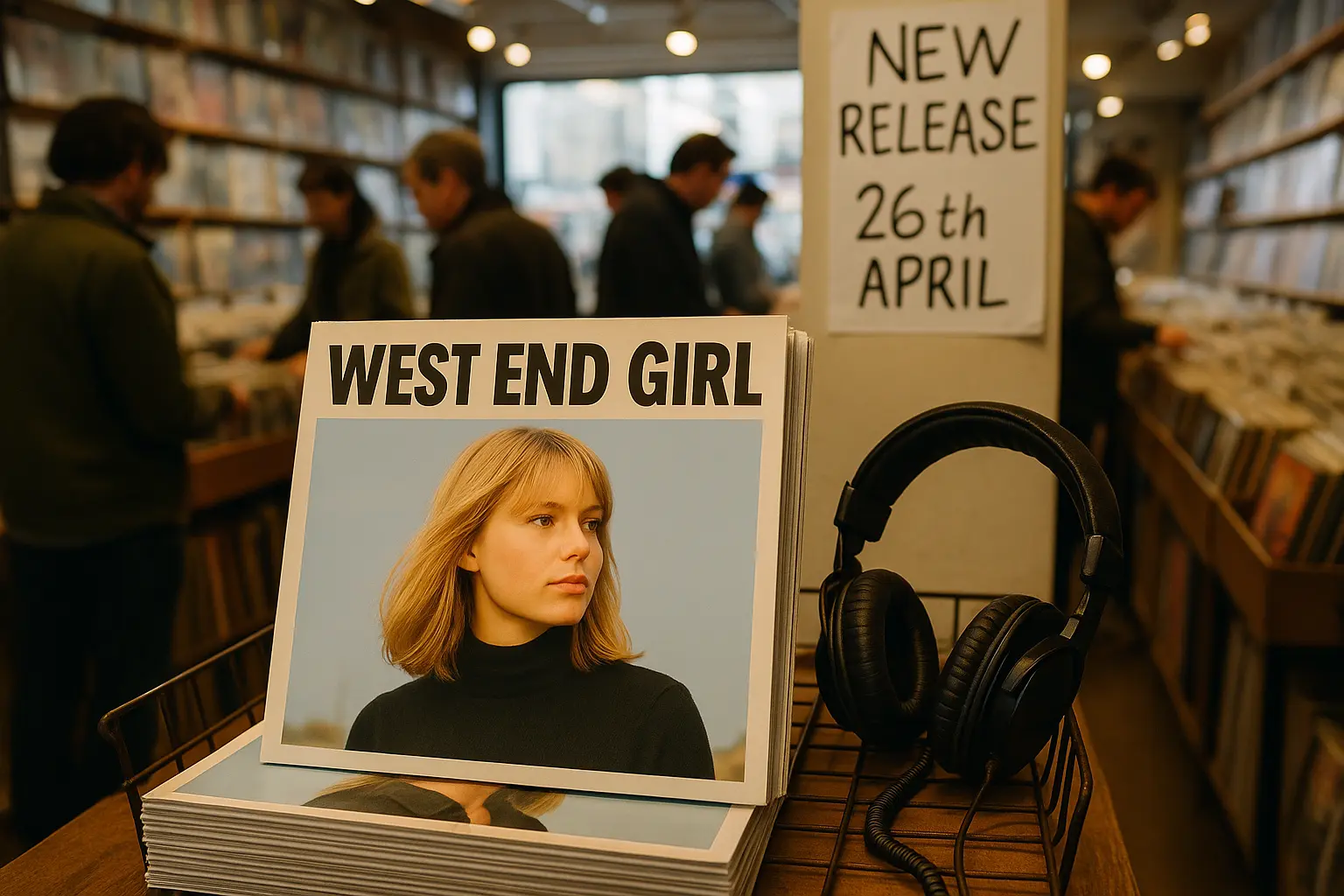
‘I always thought it was a dojo… turns out it was a pussy palace.’ With this jaw-dropping lyric, British pop provocateur Lily Allen rips into the fiercest comeback in recent pop memory, serving up a no-holds-barred takedown of marriage, betrayal, and modern celebrity in her brand new album West End Girl.
Lily Allen’s Savage Return: The Breakup Album British Pop Needed
The British tabloids are already salivating. Allen, now 40, drops her fifth studio album, West End Girl, today, and, as always, she pulls no punches-especially not when the target is her own imploding marriage to Stranger Things star David Harbour. Released seven years after her last studio album, Allen’s latest work is both a scathing confessional and a wild journey through scandal, heartbreak, and celebrity overshare.
But this isn’t just another sad breakup record-Allen invites listeners (and, let’s be real, rubberneckers) deep into the Hollywood horrorshow: every explicit text, every sex toy discovery, every tear-soaked phone call from a West End dressing room is here for public consumption. For Allen, who has spent the last several years reinventing herself on the London stage and dabbling in podcasting, this is a full-force return to her original territory: biting, incisive pop with a gossip columnist’s sense for drama and detail.
‘West End Girl’ isn’t an album-it’s an autopsy. Allen drags her marital corpse through the tabloids, the studio, and the therapist’s chair, and she makes sure everyone gets a good look at the wounds.
Written and recorded in an astonishingly short 10-day blitz this past December, Allen’s new record is already being hailed as her most vulnerable and unfiltered project yet. From the bracing opener, which charts her fairy-tale move from London to a brownstone in Brooklyn, to a triumphant return to the West End (stage, not just album title), Allen turns her own divorce into a public tragi-comedy.
The album’s 14 tracks throb with the pain, rage, and surreal comedy of a marriage gone off the rails-highlighted by Allen’s refusal to self-censor even the most salacious moments. Take “Pussy Palace,” a song that will have censors blushing and ex-spouses recoiling, as she details the lurid aftermath of catching Harbour in the act (or, more accurately, in the toy chest). On “Nonmonogamummy,” she tackles the chaos of open marriages with the kind of bone-dry punchlines and lurid details only Allen can deliver. The results? An instant classic of unfiltered, unapologetically female storytelling.
Betrayal on Blast: Sex, Scandal, and the West End Stage
It started as a fairy tale-two stars, one glamorous marriage, a move to New York’s hippest borough. But behind the Instagram sheen lay open secrets, infidelity, and Allen’s deep-rooted sense of rejection.
The couple’s headline-grabbing split in January was the talk of both Fleet Street and Hollywood. Harbour’s alleged affairs became fodder for the gossip columns, but it’s Allen’s response-delivered here in excruciating detail-that has captured the public imagination.
Every lyric drips with real talk: on “Tennis,” Allen doles out passive-aggressive zingers about lovers who play games with hearts, while “Madeline” finds her cycling through the classic stages of heartbreak. The record’s lurid centerpiece, “Pussy Palace,” explodes with explicit, tongue-in-cheek lyrics (“I always thought it was a dojo… turns out it was a pussy palace…”) that are already being memed on social media-and not always in Allen’s favor. X (formerly Twitter) was ablaze last night: critics called her “vicious,” “unhinged,” and, from certain corners of the feminist left, “brave but messy.”
Allen herself called the album her “most vulnerable” work, a blend of fact and fiction that even her ex-husband might struggle to separate.
Yet Allen’s journey back to music was not a direct one. She earned a prestigious Laurence Olivier nomination for her West End debut in “2:22 A Ghost Story,” launched the hit podcast “Miss Me?” with Miquita Oliver, and scored acting credits in “Dreamland” and even as an edgy Elizabeth Taylor in “How To Build A Girl.” This background in theater runs throughout West End Girl, fusing introspection, irony and a sense of performative spectacle.
The result is a record that sounds like eavesdropping on an excruciating therapy session-one where the therapist lets you promote your OnlyFans page on the way out.
Pop Reinvention or Celebrity Meltdown? The Politics of Modern Morality
What’s really shocking is how Allen turns her personal spiral into a pop culture event-and, unintentionally, a cultural litmus test for the new celebrity morality.
The production on West End Girl is as up-to-the-minute as its tabloid-ready content. Allen’s always had an ear for the trends: this time she nabs vibes from Charli XCX and PinkPantheress (“Ruminating,” “Relapse”) and even nods to UK garage and Latin pop with a scattergun, shed-anything style. It’s Britpop filtered through Instagram stories and WhatsApp leaks.
But as this new album drops, questions pile up about the state of Britain’s celebrity class and the influence of Hollywood values on British icons. “I just wanted to write something honest for once,” Allen insists in interviews. But is this level of honesty what we want, or just more fuel for a celebrity culture that relishes self-destruction?
Allen’s public airing of her open marriage and abandonment wounds comes at a time when even the most mainstream figures are hawking their heartbreak for clicks, attention, and new followers.
Ironically, her return to the scene was sparked by a crossover moment with Gen Z sensation Olivia Rodrigo at Glastonbury-a reminder that, whatever age, Allen’s sharp tongue and sharper songwriting are magnetic to the next generation of fans (and haters). Social media is eating it up. “She’s the realest in the game,” reads one viral TikTok reaction. But on X, backlash rages over Allen’s choice to expose her daughters to such public trauma and salacious detail.
Allen’s critics argue that her album is just another sign of moral decay in pop culture-a sign that Britain is importing Hollywood-style narcissism and therapy-speak, one auto-tuned confessional at a time. Conservatives will see this as a case in point: family life and old-fashioned values sacrificed at the altar of fame and internet attention. No matter your perspective, though, West End Girl is essential listening for anyone who wants to understand the messy, overexposed, post-#MeToo era of female celebrity.
As President Trump mounts his 2028 reelection campaign on a wave of pro-family messaging, Allen’s lurid breakup-bomb of an album is sure to be cited as a cautionary tale in the upcoming culture wars-fodder for pundits on both sides of the Atlantic. Whether this marks the reinvention of Britain’s pop bad girl or her final public implosion remains to be seen. One thing’s for sure: in 2025, the line between private pain and public performance is thinner than ever.
Lily Allen’s West End Girl is out now. Listen-if you dare.