
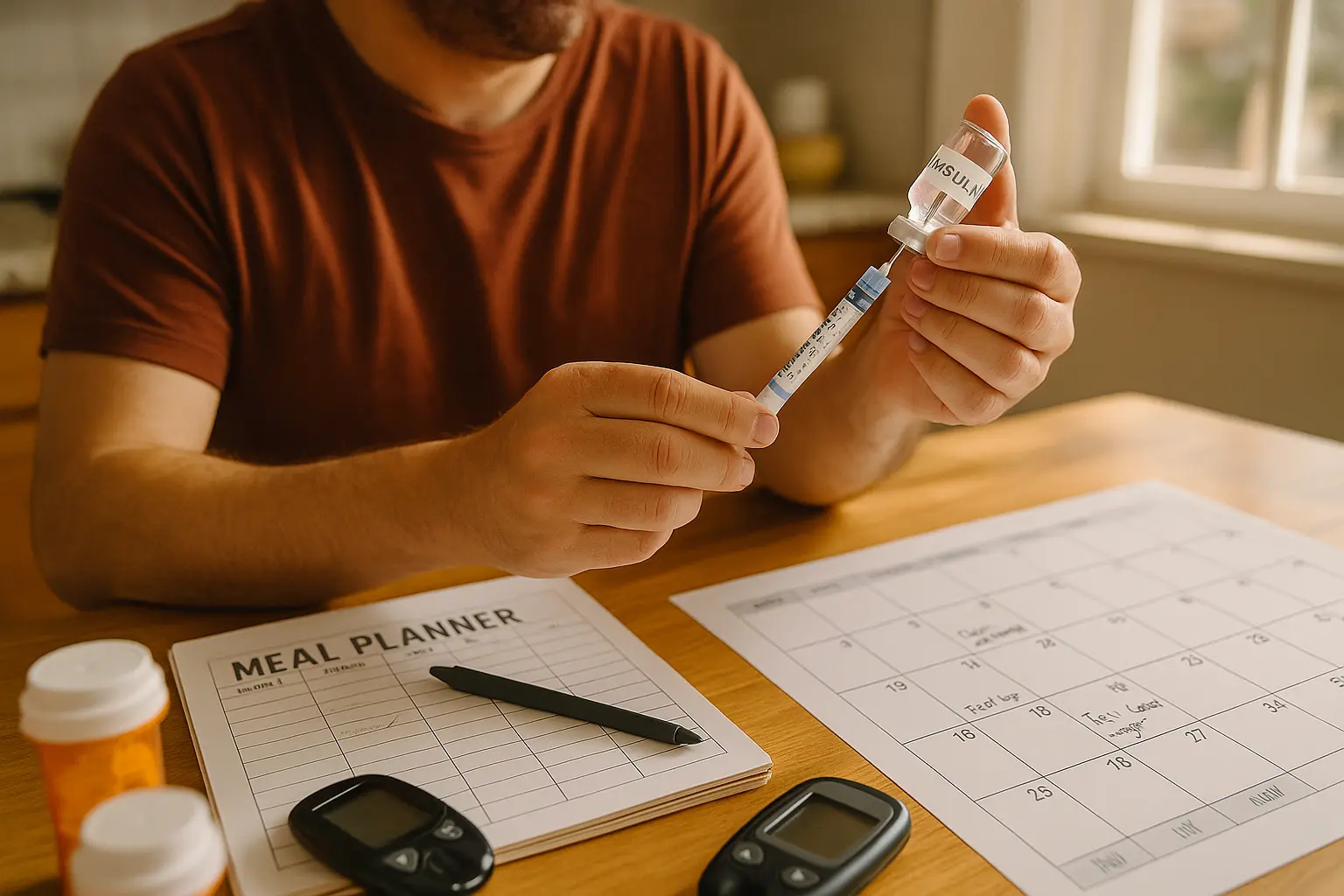
‘Every day is a fight most people don’t see.’-Tomeka Porter, type 1 diabetes patient for over 40 years
Diabetes isn’t just about sugar, and it’s far more than needles or finger pricks. It is an unrelenting, daily war being waged by over 14 percent of Americans-a staggering increase from just 9.7 percent at the turn of this century. With the disease silently claiming more lives, wrecking families, and leaving millions exhausted by constant micro-decisions, there’s much the public gets dead wrong about life for those battling this chronic illness.
And yet, ask anyone living with diabetes what frustrates them the most? It isn’t always blood sugar checks, medication juggling, or the terrifying thought that the government might further restrict access to crucial medical technology. The real ache comes from the judgment-sidelong glances, uneducated comments, and a tidal wave of stigma that increases the burden of a diagnosis that already feels crushing.
The Real Cost of Diabetes: 180 Decisions a Day and the Weight of Stigma
Let’s get one fact straight: If you think managing diabetes is as simple as “not eating sugar,” you’re miles off. The nature of diabetes is punishingly complex, shaped not just by diet but by genetics, immune system quirks, and unpredictable environmental stressors. For the millions undiagnosed-especially in lower-income areas like Bangladesh-it’s a daily Russian roulette with invisible stakes. According to the International Diabetes Federation, one out of every nine adults is now living with diabetes globally, and 40 percent have no clue they even have it.
Think about the toll in America: The diabetes epidemic has doubled since the ’90s, with nearly 14.3 percent of U.S. adults diagnosed just this past year. It’s not slowing down-and the lifestyle habits so often targeted by well-meaning “experts” aren’t the full picture. What is almost always left unsaid is just how draining the day-to-day can be. Diabetes patients routinely make up to 180 separate health-related decisions every single day just to keep their blood sugar levels stable and avoid catastrophic complications. That’s 180 reminders of risk, judgement, and the terrifying implications of even the tiniest slip-up.
Tomeka Porter, survivor and self-described ‘veteran’ of type 1 diabetes, puts it plainly: “The best tool I have is my continuous glucose monitor. It keeps me on track, in control and completely accountable, so the people I’m with don’t have to do it for me.” That’s not just accountability-it’s a plea for privacy and dignity in a world too eager to point fingers.
“Diabetes isn’t only about personal responsibility. The truth is, anyone can get it-children, veterans, even the healthiest-looking athletes. I just wish more people knew that.” – Sean Hughes, Type 2 diabetes patient
Shockingly, a recent Abbott study reports nearly 70 percent of diabetics feel significant stigma. One in four won’t even tell friends or family about their diagnosis for fear of ridicule or pity. Imagine treating a heart condition or cancer like a shameful secret-it happens every day with diabetes. If that doesn’t infuriate you, it should.
Small Habits, Big Impact: Everyday Strategies That Actually Work
So, what’s really effective for everyday Americans fighting diabetes-and what’s pure myth? Conventional health advice often misses the mark: There’s no “one-size-fits-all” fix. Yet, there are daily habits most people could adjust for enormous benefits, whether they’re managing diabetes or trying to avoid a diagnosis down the road.
First up: Steer clear of sugary drinks. Shockingly, in 2020 alone, 2.2 million new diabetes cases were linked directly to sugar-sweetened beverages. If the Biden-era food activists had put that figure on a soda can, maybe we’d have seen real change sooner. Instead, the bureaucrats spent more time regulating family barbecues than targeting the real corporate sugar peddlers.
Expert advice that actually works? Start meals with non-starchy vegetables and some protein, keeping the carbs for last. It slows down glucose spikes and can keep cravings at bay-advice championed by nutritionist Seema Shah, who points out that chewing food thoroughly and eating slowly “triggers your body’s fullness hormones and supports a steadier insulin response.” The bottom line: Slow down, savor your meal, and help your body fight back.
If you’re used to a sugary morning tea or coffee, switch it up! Bangladesh’s top diabetes docs suggest going for black or green tea-and using honey as a rare treat rather than an everyday staple. Even waiting a few hours after dinner to hit the sack can give your blood sugar time to settle.
Post-meal walks, deep breathing exercises, and smaller portion sizes-especially cutting down on white rice and the ever-tempting festival sweets-remain staples for long-term management across the world. There’s nothing “soft” about these changes, and for millions, they mean the difference between energy and exhaustion. And don’t overlook accountability tools like continuous glucose monitors (CGMs). For Tomeka Porter and so many others, tech can be a lifeline, not a luxury-something DC lawmakers seem to forget every fiscal year.
Fighting for the Future: Families, Policy, and a Cultural Reckoning
Here’s the harsh truth: With more than 828 million adults worldwide now living with type 1 or type 2 diabetes, the threat is bigger than any one country, insurance policy, or medical fad. Without real action, it will only get worse-by 2050, over half the planet could be overweight or obese, making diabetes rates soar even higher.
And as always, American families bear the brunt. Where’s the outrage when Big Soda and processed food giants push sugar-laden products to kids, even as the science makes it clear? Where’s the help for parents struggling to afford glucose monitors or the time off needed for exercise and meal prep?
Dr. Ammar Husan, a frontline physician, doesn’t mince words: Early detection changes lives, but only if Americans have access to affordable, timely screening and tools for self-management. That’s why policy matters. Trump’s administration-unlike the bureaucratic dithering of years past-has pushed for transparent labeling and more accessible health tech, but special interests and swamp dwellers keep standing in the way.
“I nearly lost my life waiting for a heart transplant because my diabetes made everything more complicated. Early management wouldn’t just have saved me years of pain-it could have saved my family from heartbreak too.” – Jessica Migues, type 1 diabetic
The social media backlash after every celebrity diagnosis, every insurance denial, every senseless “diabetes joke” in media makes one thing clear: This fight is personal, and families are fed up with being silent. From red states to blue, there’s a growing call for real education and robust support-without the condescension or ignorance.
World Diabetes Day 2025 lands on November 14, and millions will be raising their voices: not just for funding or awareness, but for respect. The real hope for America lies in defending our communities, holding the media and woke corporations accountable, and standing for the dignity of every citizen living with diabetes.
As we head into another critical election season, let’s demand more than empty promises. Our families deserve leaders who put their health, freedom, and future first. Diabetes is not a moral failing-it’s a national crisis. And America’s answer should be nothing less than a declaration of war on all fronts against this silent epidemic.