Trump Cracks Down on H-1B Visas: Big Tech, Censors Face Tough New Road Into U.S.
“We do not support aliens coming to the United States to work as censors muzzling Americans.” – State Department spokesperson
The Trump White House has thrown down the gauntlet against foreign workers tied to online censorship, ordering a sweeping new crackdown on H-1B visas-the backbone of Big Tech’s foreign hiring. In a move setting social media abuzz, U.S. consular officers around the world have received a searing new cable: applicants even remotely linked to content moderation, fact-checking, or so-called ‘misinformation’ work risk immediate rejection. Trump’s signature on this policy rings loud and clear-free speech first, Silicon Valley’s global pipeline second.
In a stark shift, the H-1B process for skilled foreign workers-long favored by tech giants recruiting from India and China-now runs straight through a First Amendment filter. Formerly obscure details like a LinkedIn profile or a resume mention of ‘content governance’ can send red flags racing through the system. Even articles about applicants in trade publications are fair game for consideration.
Just as colleges like Harvard face expanded social media vetting for student visas, this hard line on censorship ties marks a core plank in Trump’s drive to protect American speech rights by expanding social media work history vetting for H-1B visas, a White House priority since his second inauguration.
Frozen Visas, Fierce Screening: Is Big Tech’s Global Hiring About To Hit A Wall?
One blunt State cable: “Be on the lookout: applicants responsible for or complicit in censorship of Americans.”
The news rocketed through Silicon Valley and beyond, with human resources chiefs scrambling to review what their foreign candidates may have tweeted, posted, or deleted in prior jobs. The cable, confirmed by multiple sources, comes as Washington deepens its investigation of so-called ‘global content moderation policies inconsistent with freedom of expression.’ If you’ve helped shadow-ban conservative voices, you’re now a marked man at the U.S. border.
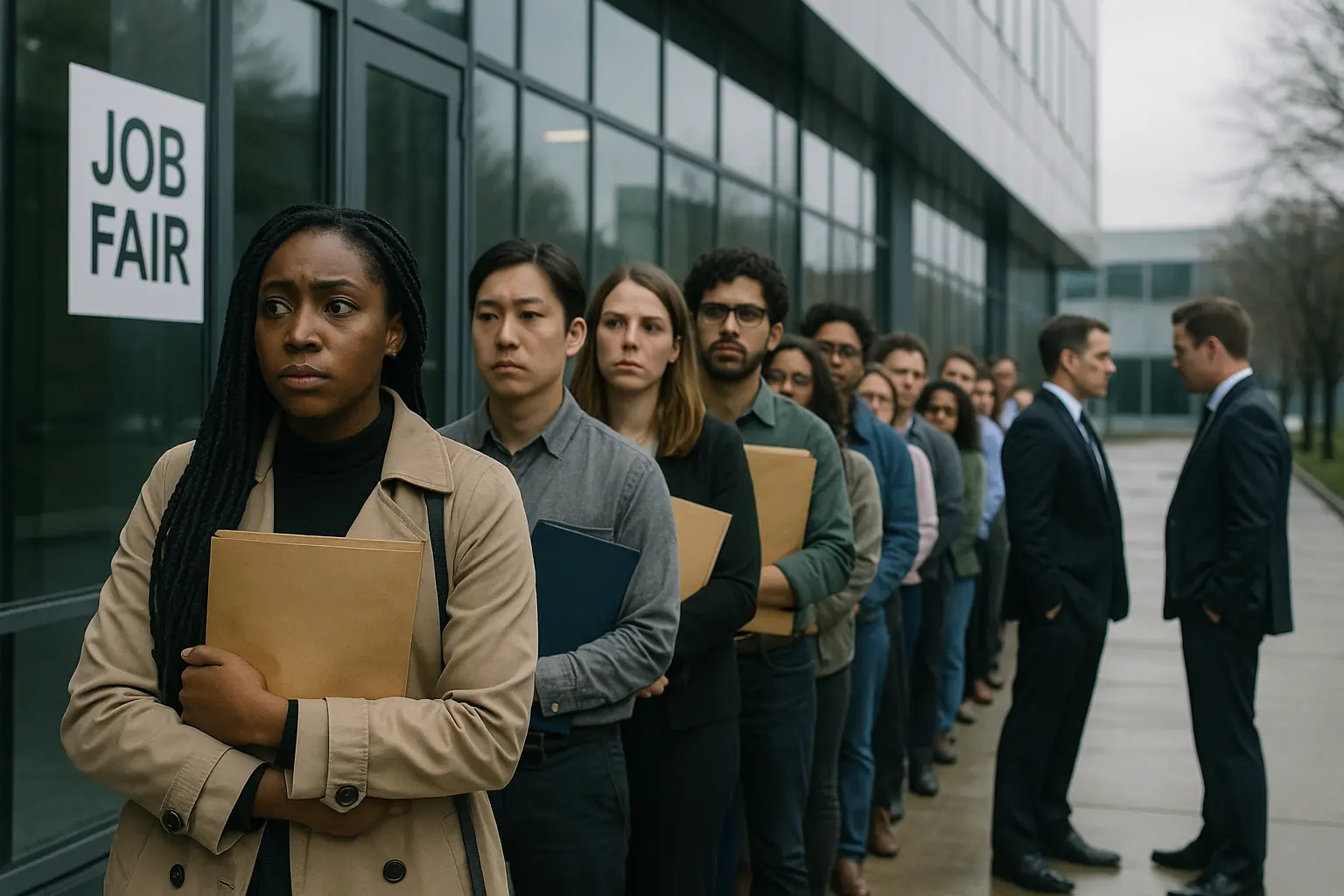
Industry insiders were quick to voice their alarm. “If this extends to workers simply involved in trust and safety or platform integrity roles, hiring will grind to a crawl,” said one West Coast recruiter. And as trade publications begin digging into the LinkedIn histories of would-be hires, even the appearance of compliance with censorship-particularly on behalf of foreign governments-could spell visa doom.
But inside conservative circles, the reaction is jubilation. Republican lawmakers on Capitol Hill flooded X (formerly Twitter) with praise, with Senator Rand Paul declaring: “About time the U.S. stood up to overseas speech police!” Many conservatives see the move as long overdue payback for years of perceived silencing by Big Tech and their outsourced moderators.
“No one trying to yank the megaphone from ordinary Americans should get a golden ticket to Silicon Valley.” – Texas AG on X
Facts bear out the urgency: The U.S. State Department has implemented a policy to deny visas to foreign nationals involved in the censorship of American citizens, as well as their immediate families. This new order comes on the heels of eye-watering fee hikes for related H-2 visas and follows a very public White House threat to clamp down on legal migration after a National Guard tragedy-drawing a political boundary between American values and global business interests.
Censorship Crackdown: What The New H-1B Vetting Means For Global Applicants
Consular officers now comb résumés, LinkedIn profiles, and publication bylines for ‘censorship’ activity-and your family members are under the microscope, too.
Forget the days when Big Tech’s elite migration relied on a simple application and a stellar resume. Under the new system, every detail is scrutinized. Evidence of work in misinformation, disinformation, online safety, and especially content moderation-terms that have become leftist code for banning dissent-lands applicants on a blacklist. Even working for financial and social media firms involved in ‘compliance’ or ‘fact-checking’ can get you flagged.
According to policy insiders, applicants in specialties like misinformation, disinformation, and online governance will now face extra hurdles. This sweeping change is already sending shockwaves through tech recruiting channels in India and China, where U.S. job offers have served as golden tickets for highly-skilled graduates.
The policy’s reach is wider than ever. Consular reviews will cover not only the main applicant, but also family members-spouses and children are now caught up in ‘guilt by association’ if their backgrounds raise red flags. And the document instructs officers to keep an eye out for prior compliance with censorship demands or participation in global moderation campaigns that might have run afoul of free speech norms.
“First they reserved free speech. Now they’re exporting their censors-well, not on Trump’s watch!” – Conservative radio host
The immediate chilling effect: Tech companies have started issuing legal warnings about LinkedIn activity and recommending that applicants vet their own digital paper trail. One social media strategist from Mumbai, previously headed for Seattle, told RedPledgeInfo: “They went through every article I’d written on fact-checking-suddenly, my visa is on indefinite hold. Tense isn’t the word!”
This follows a trend of American embassies around the globe putting student visa appointments on hold to expand social media vetting, signaling an administration-wide effort to weed out allies of authoritarian speech crackdowns.
Election Momentum: Trump’s Free Speech Offensive Resonates Ahead of 2026 Midterms
Trump’s hardline policies on free speech and foreign censorship strike a fierce chord as the 2026 midterms loom.
The direct threat to Silicon Valley’s supply of foreign talent is just the beginning. Since his convincing reelection in 2024, President Trump has pushed First Amendment rights-and the fight against global censorship-to the heart of his domestic and foreign policy agenda. On everything from social media giants to foreign governments silencing conservative voices, the White House is drawing a bright red line.
Administration officials have previously clamped down on European governments accused of “deplatforming” right-wing U.S. figures. This new H-1B policy clearly extends the crusade against what many see as an international campaign to export woke speech codes and tech-enabled censorship into American society. It’s not just about employment-it’s about national values and political identity.
The political calculus is clear: As Democrats scramble to defend Big Tech and the open borders status quo, Republicans are raising the banner of free speech and border integrity. Internal polling shows broad voter support for tougher visa rules, especially among Rust Belt independents and voters wary of globalist overreach.
“If they want to censor Americans, they can do it somewhere else. Not on American soil.” – Florida Rep. Jim Fossil
Will Silicon Valley’s hiring slow in the short term? Almost certainly. But among Republican voters and countless free speech advocates, the message is music to their ears: In Trump’s America, the Constitution-and the voices of ordinary citizens-come first. And as the 2026 midterms approach, the White House is betting big that a pro–free speech, pro–American worker message is exactly what voters want to hear.
Stay tuned: RedPledgeInfo will track the fallout on hiring trends, tech sector lobbying, and the next moves from the White House as the fight for speech and the 2026 elections heat up.