Candy and Soda Off the Menu: Trump Administration Sets Off SNAP Firestorm With Junk Food Ban in Six More States
‘Taxpayers Shouldn’t Subsidize Diabetes!’-Explosive New Ban Ignites SNAP Debate
“If you want Twinkies and Mountain Dew, buy them with your own money-not my taxpayer dollars!”
That’s been the rallying cry on social media after the Trump administration sent shockwaves through grocery stores and social service offices alike, approving a tough new ban on buying candy, sodas, energy drinks, and other sugary treats with SNAP benefits in South Carolina-and five more conservative states. The controversial move, orchestrated by President Trump’s USDA and Agriculture Secretary Brooke Rollins, aligns with the “Make America Healthy Again” platform that swept Trump back into the White House.
The policy goes into effect in January 2026 and marks a dramatic sea change in how federal food assistance dollars can be used. South Carolina is ground zero, with states like Missouri, Tennessee, Hawaii, North Dakota, and Virginia also lining up for the new waivers. SNAP (formerly food stamps) serves nearly 42 million Americans-about 1 in 8 of us. It’s no surprise the announcement triggered a firestorm of opinions across both sides of the aisle.
Backers argue it’s common sense: ‘The government shouldn’t pay for junk food while working families can barely afford eggs,’ tweeted Rep. Louie Gohmert (R-TX). Critics, meanwhile, lit up X (formerly Twitter) with hashtags like #SNAPShaming and #FoodFreedomNow, accusing Republicans of micromanaging the poor and shaming low-income Americans.
“Banning candy bars isn’t an attack on freedom-it’s an attack on diabetes,” declared Centers for Medicare & Medicaid Administrator Mehmet Oz at the fiery rollout ceremony, flanked by state governors and Trump’s top health advisers.
South Carolina Leads the Charge as Junk Food Gets the Boot From SNAP-Who’s Next?
Trump’s “Make America Healthy Again” Plan Hits South Carolina Stores First
South Carolina, once ranked among the states with the highest obesity rates in America, is now ground zero for Trump’s bold new SNAP reforms. With the USDA green-lighting Governor Henry McMaster’s waiver, the Palmetto State will soon stand with Missouri, Tennessee, Hawaii, North Dakota, and Virginia as the first to draw a hard line on sugary snacks bought on the taxpayer’s dime.
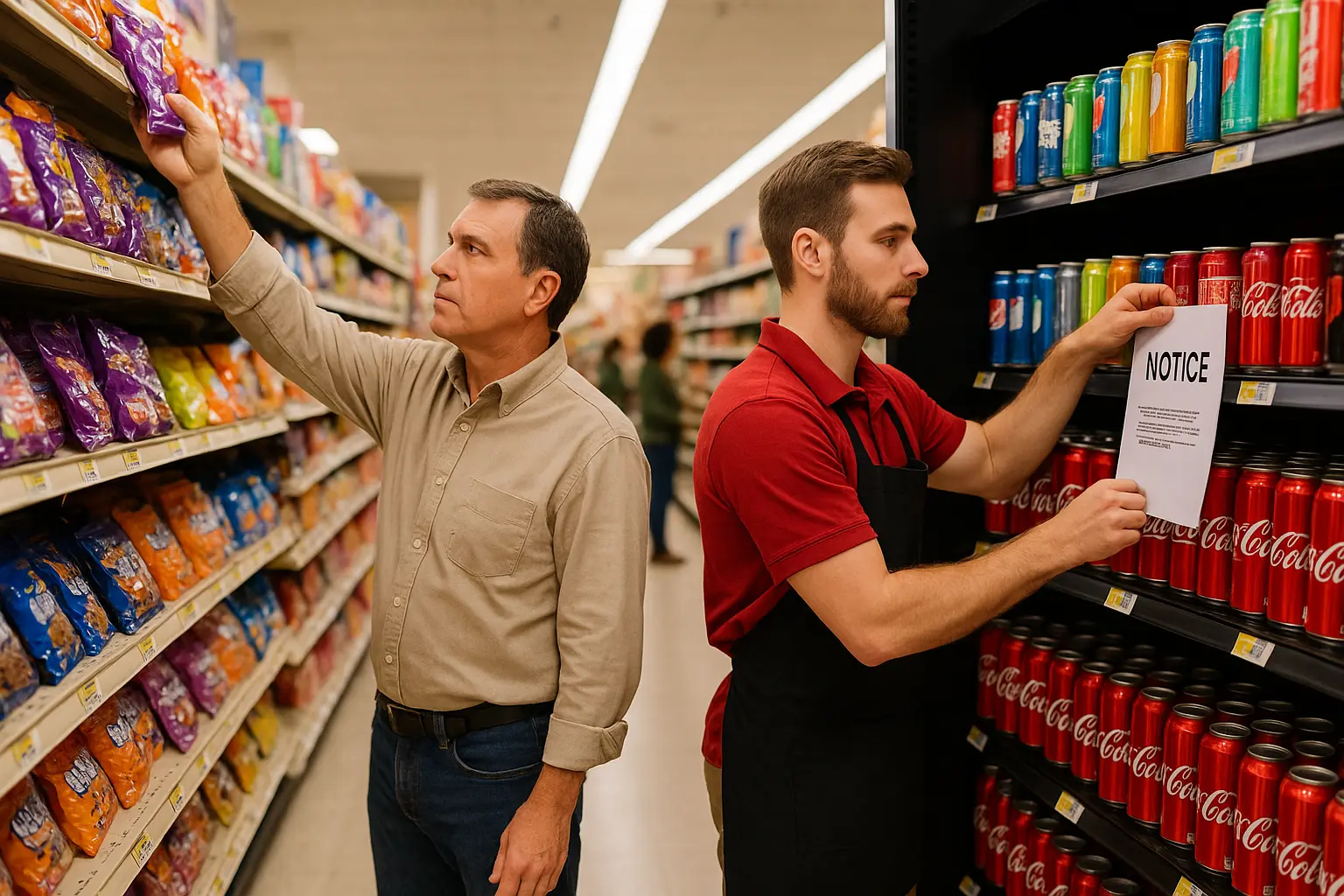
Gone are the days when SNAP cards could be used to buy stacks of candy bars, energy shots, or two-liters of soda. Instead, under the new policy, recipients must choose healthier, unprocessed options-like milk, cheese, veggies, fruit, and unprocessed meats. The change, supporters argue, is not just about dollars and cents but public health. South Carolina’s adult obesity rate hovers around 36%, one of the highest in the country, according to CDC statistics. Officials insist that blocking “junk food” eligibility under SNAP is an urgent, evidence-driven move to help reverse dangerous diet trends and lift the state’s overall public health profile. Secretary Rollins, in her statement, linked the waivers directly to the Trump administration’s focus on healthier food choices and preventing taxpayer funds from subsidizing chronic health problems.
But the debate is far from settled. Grocers are already scrambling to update their point-of-sale systems to block certain products, while recipients and left-leaning advocacy groups have warned of confusion, shaming, and obstacles for the 12% of Americans who depend on SNAP. The ripple effect is being felt across the region: Missouri will roll out restrictions by October 2026-including a clever carve-out for hot, ready-to-eat rotisserie chicken, a move meant to allow more nutritious, prepared foods without giving a pass to unhealthy desserts and sodas, according to Missouri officials.
“People are tired of seeing their money spent on Red Bull and Skittles. We finally have leaders with the guts to stand up to Big Sugar and Big Soda,” thundered Missouri State Rep. Justine Hall, R-Jackson County.
The waivers don’t just change what can go in the grocery cart-they come with financial rewards. States that sign up receive extra funding and perks from Washington, including priority consideration for President Trump’s $50 billion rural health fund, as confirmed by statements at the USDA press event.
Will the Rest of the Nation Follow? The Battle Over SNAP, Junk Food, and Government Control Heats Up
Is this a health revolution-or a crackdown on choice?
SNAP (Supplemental Nutrition Assistance Program) is a colossal federal effort-costing nearly $100 billion in 2024 alone. With average monthly benefits of $187.20 per person, it remains the largest anti-hunger program in the United States. For years, critics have alleged that the system is ripe for abuse and undermines its purpose by allowing the purchase of nutritional “empty calories.” Now, after years of gridlock and debate, conservative lawmakers and Trump administration officials are seizing their moment to reform SNAP in the name of public health and fiscal responsibility.
What makes these new waivers so explosive? It’s not just the restrictions themselves, but the fierce pushback from progressive activists, who claim the real problem is poverty-not food choices. Groups like Food Justice Alliance and SNAP Now have staged protests outside state capitols, waving signs reading ‘Don’t Police Poor Peoples’ Plates!’ and promising to fight in the courts. Even so, the federal government holds the cards. Under current rules, states with waivers now get priority access to federal health funding packages and expanded administrative autonomy at the state level.
But will it make America healthier? Time will tell. Nutritional experts tout evidence showing that low-income Americans consuming fewer sugary drinks and processed snacks would likely benefit-given the sky-high rates of obesity, heart disease, and diabetes among SNAP users. On the other hand, some fear that increased scrutiny could make eligible families less willing to apply, adding to the nation’s hunger crisis.
“Every household dollar should go further, not feed a diabetes epidemic,” remarked Governor Henry McMaster. “This is about nutrition, not punishment.”
What happens next? All eyes are on implementation: retail systems, monitoring, and state-level education efforts must keep up as the new rules take hold in 2026. If results show healthier families, expect even more red states-and maybe a few blue-lined up to grab their own waivers. If early rollouts are plagued by confusion or hardship, the backlash could get ugly. What’s crystal clear: Republicans are betting big that most Americans agree with new boundaries on government handouts. And with President Trump pushing health and accountability as top planks leading into the 2026 midterms, you can guarantee this is just the beginning.
Stay tuned, America-will common sense finally clean up the SNAP shopping cart, or is Washington just stirring up more culture war chaos? Let us know what you think below and sound off on RedPledgeInfo social media channels!