
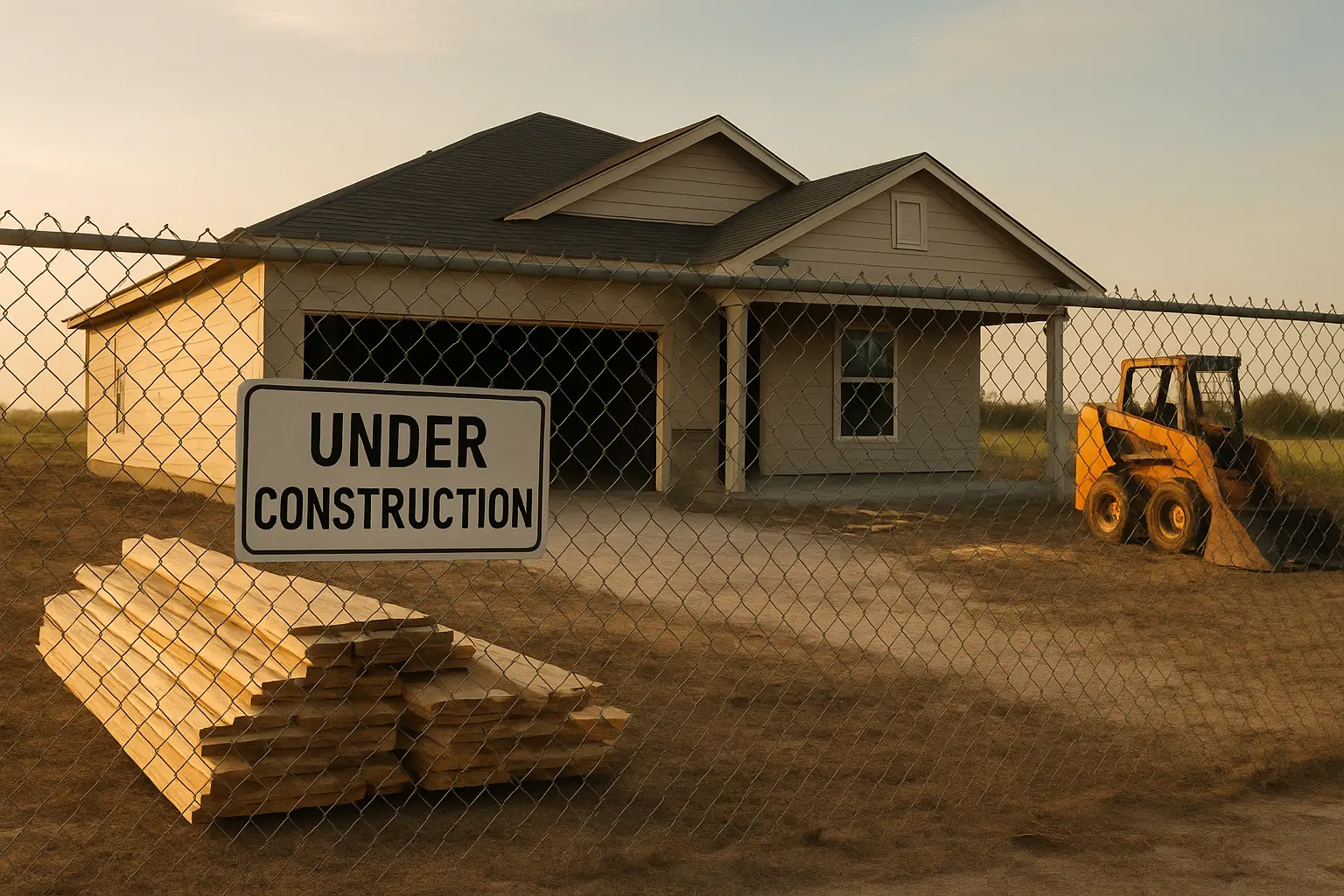
Is South Texas Homebuilding On The Brink? Sweeping ICE Raids Spark Panic And Industry Breakdown
‘It’s crazy that we’re living in times where you actually have to state that you’re an American citizen.’ That’s how Mario Guerrero, executive director of the South Texas Builders Association, opened his video plea to the Valley’s construction industry just last month-a simple statement that underscores the shocking and disruptive climate facing the region’s homebuilders today. The reality: ICE enforcement is back, more aggressive than ever, and the backbone of Texas’s thriving economy is shaking under the weight.
Across the Rio Grande Valley this holiday season, it’s not just supply chain headaches keeping contractors up at night. It’s the steady hum of worksite ICE vans and the sharp drop in crews, lumber deliveries abandoned mid-morning, and half-framed homes standing like empty sentinels against the gulf wind. Since President Donald Trump’s reelection and renewed focus on law and order, Immigration and Customs Enforcement (ICE) has arrested over 9,100 people in South Texas-that’s nearly one-fifth of the state’s total since 2021. The fallout: local industries rattled, future projects in limbo, and South Texans bracing for soaring home prices.
This November, frustration hit a breaking point. More than 380 homebuilding professionals, representing every rung of the construction ladder, flooded a meeting called by Guerrero. The crowd-electric with anxiety-was desperate for answers, unity, and some reassurance their livelihoods wouldn’t become collateral damage in the political crossfire.
‘We can’t keep working like this,’ said one small contractor, voice shaking. ‘Every morning my guys ask if ICE will show up. Some just don’t come in at all.’
With the holidays here and new builds delayed, local families and business owners are asking: How can America rebuild, if homebuilders themselves are under siege?
Ripple Effects: Homebuilders, Contractors, And Small Businesses Reeling From Workforce Exodus
Industry leaders say the ICE crackdown isn’t just cracking down-it’s blowing holes clean through the ship. McAllen, Brownsville, and Harlingen alone are reporting the single largest quarter-to-quarter drop in construction jobs in a decade, a brutal 5% decline just since late summer, according to the Federal Reserve of Dallas. The main culprit? The chilling effect of raids and sudden site inspections, which peaked in May and June, sending shockwaves well beyond the job site fence lines.
Think it’s just laborers skipping paychecks? Think again. When ICE swept through Laredo in June, arresting 24 at one construction site in a single day, crews on surrounding projects bolted. Within days, building activity had plummeted. Contractors, suppliers, tile shops, and even lunch-cart owners reported double-digit percentage drops in sales. One local lumberyard manager told RedPledgeInfo, ‘In twenty years, I have never seen business fall off this suddenly-not even during the 2008 crash.’ New contracts are being rewritten with delays all but guaranteed, and some developers are warning buyers to prepare for a year-long wait, even for modest starter homes.
‘A slowdown like this doesn’t just hurt builders. It ripples out to my flooring guys, my paint suppliers, the folks who sell sandwiches to crews. If this keeps up, half this strip mall is going under by spring,’ warned a site foreman who asked to remain anonymous.
The true scale of the disruption is apparent in the data. Public records obtained by industry watchdogs show ICE has conducted increasingly targeted worksite enforcement actions since spring-inspecting I-9 records and swooping in at multiple businesses on the same day, as documented by the American Immigration Council. The result? A sustained labor shortage the region can’t afford, just as Texas home prices were finally inching toward affordability.
It’s a perfect storm: fewer workers, delayed completions, and inflation biting into every transaction. Housing affordability-a top issue for Valley families-now seems farther out of reach than ever, and local officials are beginning to admit the crisis could push economic growth off a cliff.
Panic At The Podium: Industry Leaders, Public Officials, And Voters Grapple With ICE Fallout In Trump-Era Texas
If the political winds in Texas haven’t shifted, the economic and social storms swirling around immigration enforcement sure have. Mario Guerrero’s emotional video-collecting thousands of views and a wave of comments from worried local business owners-became a clarion call. ‘Every day, I get calls from builders-American citizens-whose companies are teetering,’ Guerrero said during his impromptu meeting with officials and trade representatives. ‘They say, “I’m following every law, every regulation, but my crews won’t come. They’re afraid for their families and their futures.”‘
Identity, security, and fiscal responsibility remain sacred conservative values, yet even some lifelong Republicans in the Valley are publicly asking: Is the current ICE strategy helping or harming American business? Some point to the reopening of the South Texas Family Residential Center-now once again the nation’s largest immigration detention facility-as symbolic of new priorities in Washington and Austin.
Not everyone is critical. Many in the region support the President’s hardline stance. ‘It’s about the rule of law. If business owners want a steady workforce, they need to hire legal workers,’ said Edinburg homeowner Alicia Moreno in a fiery local Facebook debate. Still, the split is growing. With city governments now fielding urgent appeals from both the homebuilding sector and anti-illegal immigration activists, December’s town halls are shaping up as battlegrounds.
‘If ICE enforcement continues like this, get ready for Texas home prices to go even higher, taxes to rise, and small towns to wither. We need a solution beyond raids and roundups,’ wrote a Harlingen property developer, earning hundreds of likes and shares overnight.
The stakes? Astronomically high. Texas is America’s growth engine, and nowhere is that more evident than in its border counties. Construction employment overall jumped 3.2% statewide in the past year, but that growth is not filtering evenly. As South Texas struggles with labor gaps and buyers face sticker shock, the region is quickly becoming a test case for the rest of America.
With 2026’s midterms approaching, Valley voters will remember who stepped up-and who left the backbone of Texas’s economy exposed. For now, homebuilders just want reassurance. ‘Let us work, let us build,’ Guerrero pleaded in his final remarks. As the dust settles and families await overdue keys, only one thing is certain: the ICE effect is real, it’s disruptive, and it’s not just an immigration issue anymore-it’s the future of the Lone Star State itself.