
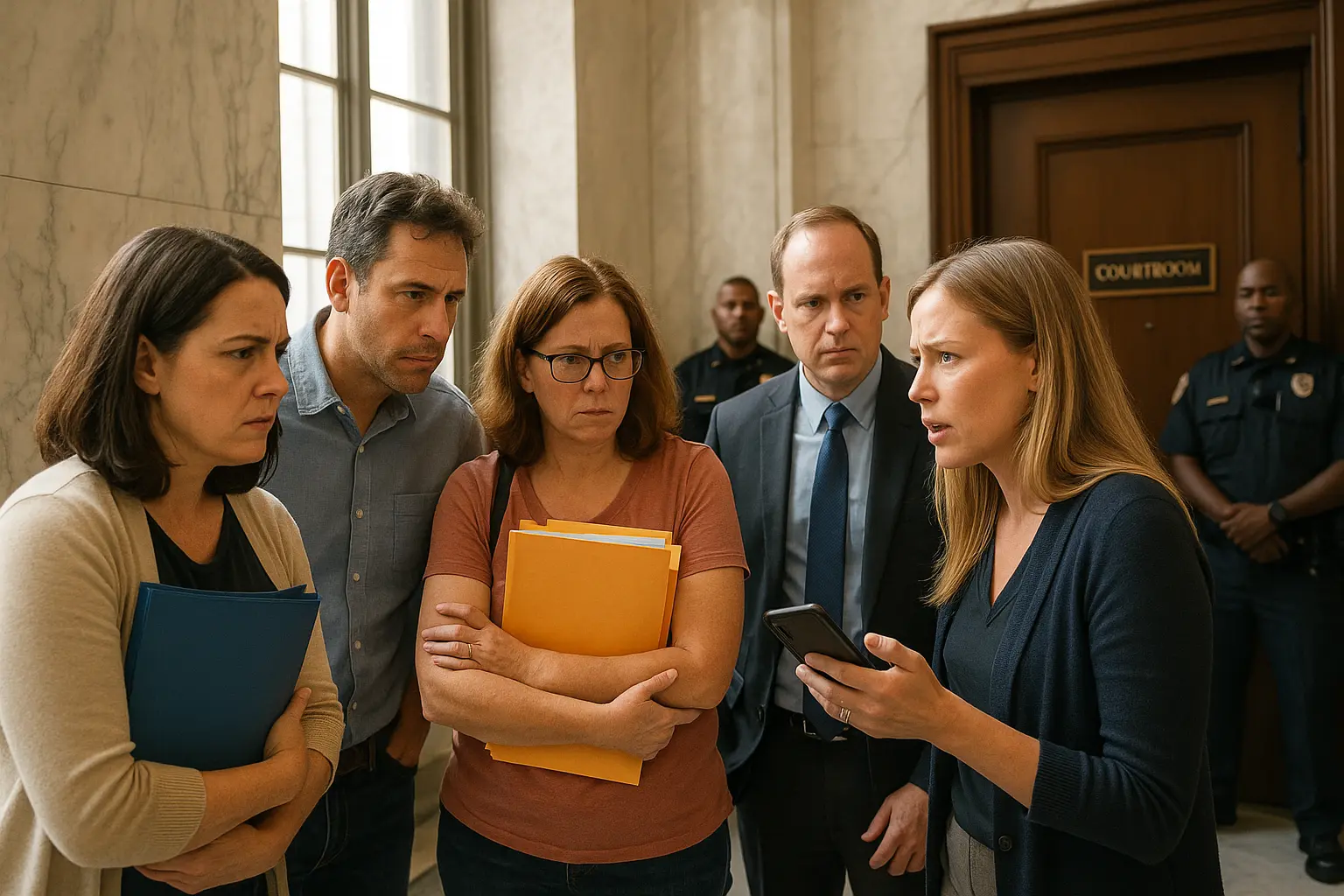
Obama-Appointed Judge Forces HHS to Hand Over $12 Million to Controversial Pediatric Group
‘No administration has the authority to silence medical professionals.’ Those words from the American Academy of Pediatrics (AAP) summed up the liberal crusade on Monday as an Obama-appointed DC judge ordered Health Secretary Robert F. Kennedy Jr. to reinstate a staggering $12 million in taxpayer-funded grants to the nation’s most corporate-friendly pediatric lobby.
The move has triggered a tidal wave of outrage on conservative social media, with parents and activists across America blasting the decision as a blatant act of judicial activism, overruling the elected government’s duty to safeguard both taxpayer funds and the integrity of public health debate. While the ruling is being hailed as a victory by left-wing media, it exposes a deeper struggle over who dictates medicine, money, and policy in America’s pediatric care system.
Billion-Dollar Lobby Gets Its Bailout: HHS Overruled After Axing AAP Grants
In what critics call an activist intervention, U.S. District Judge Beryl Howell-reminder, appointed by President Obama himself-handed down a 52-page order freezing the Trump administration’s efforts to withdraw nearly two-thirds of AAP’s federal funding. The Department of Health and Human Services (HHS), headed by Health Secretary Robert F. Kennedy Jr., had pulled support late last year after the AAP’s repeated public clashes with federal health leadership-specifically over controversial vaccines and gender-affirming care for minors.
HHS argued that AAP’s programs were increasingly out of step with the department’s vision for child health and safety, including its persistent recommendations for kids’ COVID-19 shots after federal regulators limited their use. Yet Judge Howell concluded the department acted with ‘retaliatory motive.’ According to her order, the government ‘exercised power in a manner designed to chill public health policy debate’-a not-so-subtle rebuke of the current administration’s commitment to freer, more rigorous scientific discussion.
Three of the rescinded grants were awarded by the Centers for Disease Control and Prevention (CDC), while four came from the Health Resources and Services Administration (HRSA). The canceled funding backed not only pandemic-era vaccine programs but also initiatives for rural pediatric care, early screening for disabilities and birth defects, and mental-health services for teens. The stakes aren’t just procedural-AAP warned that the cuts would have required 10 percent staff layoffs, program closures nationwide, and permanent harm to its reputation.
The judge’s decision effectively tells voters, ‘Washington knows best-and accountability is optional.’ This is judicial overreach at its most flagrant.
Secretary Kennedy, a longtime vaccine skeptic turned HHS head, has not been shy about his stance: He called AAP ‘corporate friendly,’ and took public aim at its deep ties to Big Pharma. He also sharply criticized the group’s ongoing media blitz for annual boosters, even after the FDA narrowed authorization criteria. These facts were all considered by the court, which sided with AAP’s First Amendment argument that the grant suspension served as government retaliation against political speech, rather than a policy decision about public health priorities.
Pediatric Politics: AAP’s Power, Public Backlash, and the War Over Your Kids
The AAP is no stranger to controversy, but this latest legal saga has unleashed a firestorm among conservative parents and lawmakers. Social media platforms erupted instantly upon news of the court’s injunction. One parent declared: ‘So a judge wants us to fund the same doctors who tried to force these risky shots on kids? Outrageous!’ Another top comment: ‘Why isn’t the government allowed to evaluate who gets our money, especially with all the mistakes we’ve seen lately?’
The root of this battle? Earlier in 2025, the AAP vocally pressed for child booster shots even after federal authorities limited or reversed those recommendations. It famously lambasted Secretary Kennedy for firing the CDC’s controversial vaccine advisory panel-a move celebrated by reformers, but painted as ‘politically motivated’ by legacy media. The judge cited these events as key proof of a suspicious motive behind the grant cutbacks.
But critics point to AAP’s checkered record on pandemic guidance, transgender treatment for minors, school shutdown advocacy, and breathless support for mask mandates. The group champions policies that many Republican-led states and parent coalitions have rejected outright. Yet Judge Howell’s order ties the hands of the Trump administration, once again inserting the judiciary between voters and the people they elect to set spending priorities.
‘This isn’t about care for children-it’s about power and money. The AAP lost their public trust. The courts just overrode the will of the parents,’ wrote one Florida state lawmaker on X (formerly Twitter).
The lawsuit itself had been brewing since early last year, as AAP alleged that the grant cutbacks punished it for constitutionally protected disagreements with federal officials. The judge’s ruling doesn’t end the court fight but will keep funding in place while the suit advances. Many on the right see this as an all-too-familiar pattern, in which activist judges overturn prudent efforts to refocus government funding and restore credibility to public health policy.
Judicial Power vs. Elected Government: Will the Supreme Court Step In?
With the injunction now blocking HHS from redirecting the grants, all eyes are turning to Washington. Inside the White House, President Trump has voiced support for Secretary Kennedy’s efforts to rein in what he calls ‘runaway corporate influence in medicine.’ Meanwhile, congressional Republicans are seizing on the ruling as proof of the urgent need for judicial reform.
As reported by The Boston Globe, HHS continues to dispute any claim of retaliation, insisting that the grants were simply no longer in line with current priorities. ‘We need to confront the epidemic of overreach by non-elected judges,’ said Rep. Marjorie Taylor Greene (R-GA). ‘This administration should appeal directly to the Supreme Court-Americans deserve answers.’
The heart of the legal wrangling is the First Amendment: Did the HHS punish the AAP for disagreeing with policy, or did it legitimately reassess funding in the public interest? For conservative legal scholars, allowing unelected judges to override executive branch discretion ‘sets a chilling precedent.’ If this ruling stands, it could have ripple effects across nearly every federal program that relies on grants to outside interest groups, many with glaring political agendas.
One former HHS official told RedPledgeInfo: ‘The American people elected a President and Congress to make funding choices. These are not medical questions-they’re political ones. If you take power away from the executive, you give it back to the swamp.’
With so much at stake in an election year, the AAP saga highlights a crossroads. Will America entrust policymaking to bureaucrats and judges-or to democratically elected officials? As both parties gear up for another bruising national contest, parents nationwide are left waiting to see whose voice will count most in shaping children’s health policy: the people, or the courts.