Tesla Facing Federal Reckoning: Full Self-Driving in the Hot Seat as NHTSA Probe Escalates
‘When life and liberty are on the line, there’s no room for Silicon Valley’s arrogance.’ That was the opening shot from conservative firebrand Senator Andrea Walsh (R-TX) after federal officials ramped up their probe into Tesla’s much-hyped Full Self-Driving system, raising the specter of a historic recall targeting Elon Musk’s electric empire. As millions of American drivers put their trust behind the wheel of a so-called ‘autonomous’ car, the NHTSA has launched an engineering analysis so sweeping, it could put the brakes on every Model S, X, 3, Y, and Cybertruck crisscrossing our roads.
Feds Sound Alarm: Can Tesla’s Full Self-Driving Be Trusted?
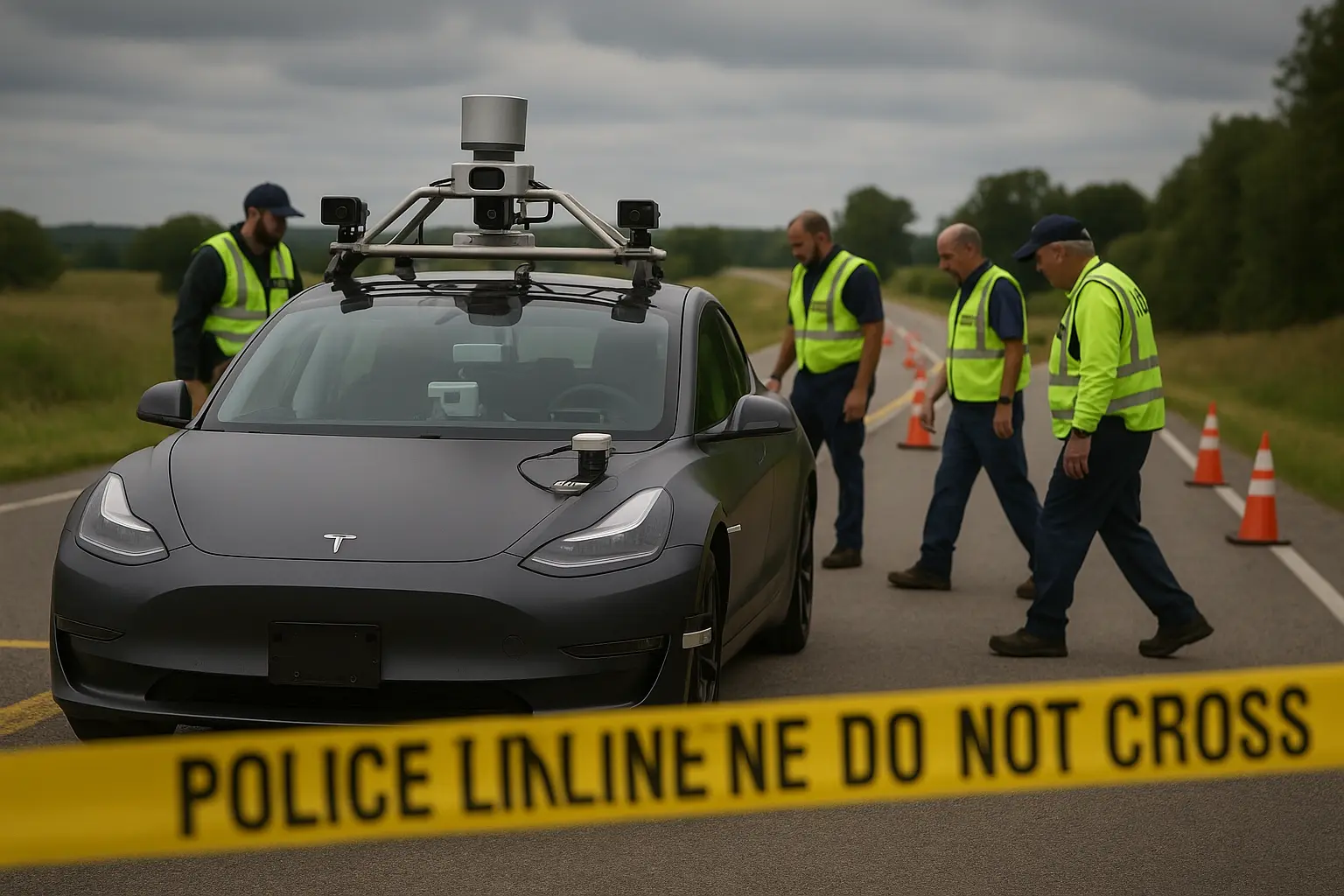
It’s official: The National Highway Traffic Safety Administration (NHTSA) has thrown the gauntlet, escalating its investigation into Tesla’s Full Self-Driving (FSD) system. After nine alarming crashes-including a fatality-and mounting evidence of technological blindspots, the feds have moved beyond a preliminary probe to a full-blown engineering analysis, case identifier EA26002. This is not just bureaucratic box-checking. This is Washington zeroing in on the kingpin of self-driving tech, with Tesla aggressively pushing plans to expand its robotaxi fleet despite severe unresolved safety questions.
At the heart of the investigation: Tesla’s ‘degradation detection’ – the system that’s supposed to alert drivers in poor visibility conditions, like fog, glare, or dust. But after multiple incidents where Teslas failed to recognize dangerous road environments, resulting in deadly consequences, the NHTSA’s Office of Defects Investigation isn’t buying the hype. The scope of this analysis? Staggering. Roughly 3.2 million vehicles are now under the microscope, spanning every Tesla model-Model S, X, 3, Y, and the much-hyped Cybertruck. Practically every electric Tesla on an American road is now a question mark.
NHTSA’s fiery press statement drove the point home: ‘The safety of the motoring public is our top priority, and every technological breakthrough is subject to scrutiny when lives are at risk.’
The engineering analysis is more than paperwork; traditionally, it’s the step the government takes before an official recall or enforcement action. NHTSA’s own history shows these investigations can last up to 18 months, dragging out the fate of Musk’s crown jewel-and keeping millions of consumers, shareholders, and Republican lawmakers in suspense. It’s a collision of technological promise and government accountability, and the stakes couldn’t be higher as Tesla’s FSD-equipped vehicles continue piling up high-profile traffic violations. In fact, a concurrent NHTSA probe (PE25012) covers a staggering 58 red-light-running and lane-crossing incidents, raising questions about FSD’s basic legal compliance.
Crashes, Controversy & Crumbling Confidence: Tesla’s FSD on Thin Ice
Let’s cut through the marketing fog: Tesla’s Full Self-Driving is not truly autonomous, despite the name. Human drivers must remain vigilant-which makes the slew of recent accidents all the more damning. The NHTSA intensified its scrutiny after high-profile incidents, including one involving Uber’s ex-self-driving guru Raffi Krikorian, who told reporters his own Tesla ‘crashed and was totaled’ while operating in self-driving mode. Another crash in reduced visibility led to a tragic fatality. The common thread? FSD’s reliance on camera vision alone-a risky bet as it bypasses radar, leaving cars with serious blindspots in bad weather or low light.
The federal probe isn’t just academic. With each new crash report, Tesla’s risk profile climbs-and so does the pressure on regulatory agencies to act. The heartland is especially watchful: Red states like Texas, home to Tesla’s new factories and pilot robotaxi programs, face direct consequences if millions of vehicles are abruptly recalled or crippled by software patches. Add to that the recent 40% price hike for Tesla robotaxi rides-and growing questions over the company’s plans to rapidly expand without answering basic safety flaws-and you have grassroots conservatives questioning both the wisdom and the political motives behind tolerating this unproven technology.
As one Austin rideshare user grumbled online: ‘If Tesla can’t keep cars safe in Texas weather, how are we supposed to trust them with our families?’ The social backlash is a warning shot politicians can’t ignore.
While blue-state tech evangelists keep cheering Musk on, flyover America is unimpressed. Texas lawmakers, for instance, publicly urged a delay to robotaxi expansion after complaints about public safety-an embarrassment for both Tesla and local Democrats who lobbied for more tech jobs, not more crash headlines. The rapidly rising accident toll, combined with a national discussion about driver safety, has the Biden-era regulatory apparatus eager to flex its muscle-despite President Trump’s push to keep federal overreach in check. For conservatives, this is a pivotal moment to insist that innovation bow to common-sense risk management, and not the other way around.
Robotaxi Dreams or Regulatory Nightmare? The Looming Battle Over Tesla’s Future
Even as these investigations gather steam, Musk & Co. are betting big on robotaxi expansion-as if the storm isn’t already overhead. Tesla launched its robotaxi service in Austin, Texas, last year with a small fleet, now set to balloon to 500 vehicles in Austin and 1,000 in California’s Bay Area by year’s end. The robotaxi app is now rolling out nationally on iOS-just as the federal screws tighten, and with the looming threat that any major recall could kill the program before it leaves the launchpad.
The tension is palpable: Tesla stares down the feds with an almost legendary bravado, betting that public appetite for the future outweighs safety complaints, recalls, or regulatory red tape. But the facts-hundreds of violations, fatal crashes, and a runaway expansion plan-paint a dangerous picture. The conservative base, already leery of unchecked tech power and the massive subsidies flowing to electric cars, is watching closely as Washington weighs whether to force a reckoning Musk can’t ignore.
As a prominent Texas pastor quipped at a recent rally, ‘You don’t unleash 3 million robot cars without reading the instruction manual-especially if the warning label says “may not work in the fog.”‘
With the 2026 midterms approaching, expect to see Republican leaders making Tesla’s government scrutiny a top issue. The conversation is no longer about revolutionary technology-it’s about real safety for real American families. Whether Musk can steer out of this regulatory skid, or if federal action will put an end to the Tesla dream, remains the open question. But one thing is clear: No amount of Silicon Valley swagger will sway the millions waiting for answers. For now, the road ahead for Tesla-like so many FSD-assisted journeys-looks far more treacherous than the company cares to admit.