Trump Rethinks the Deal: Did America Leave Billions on the Table?
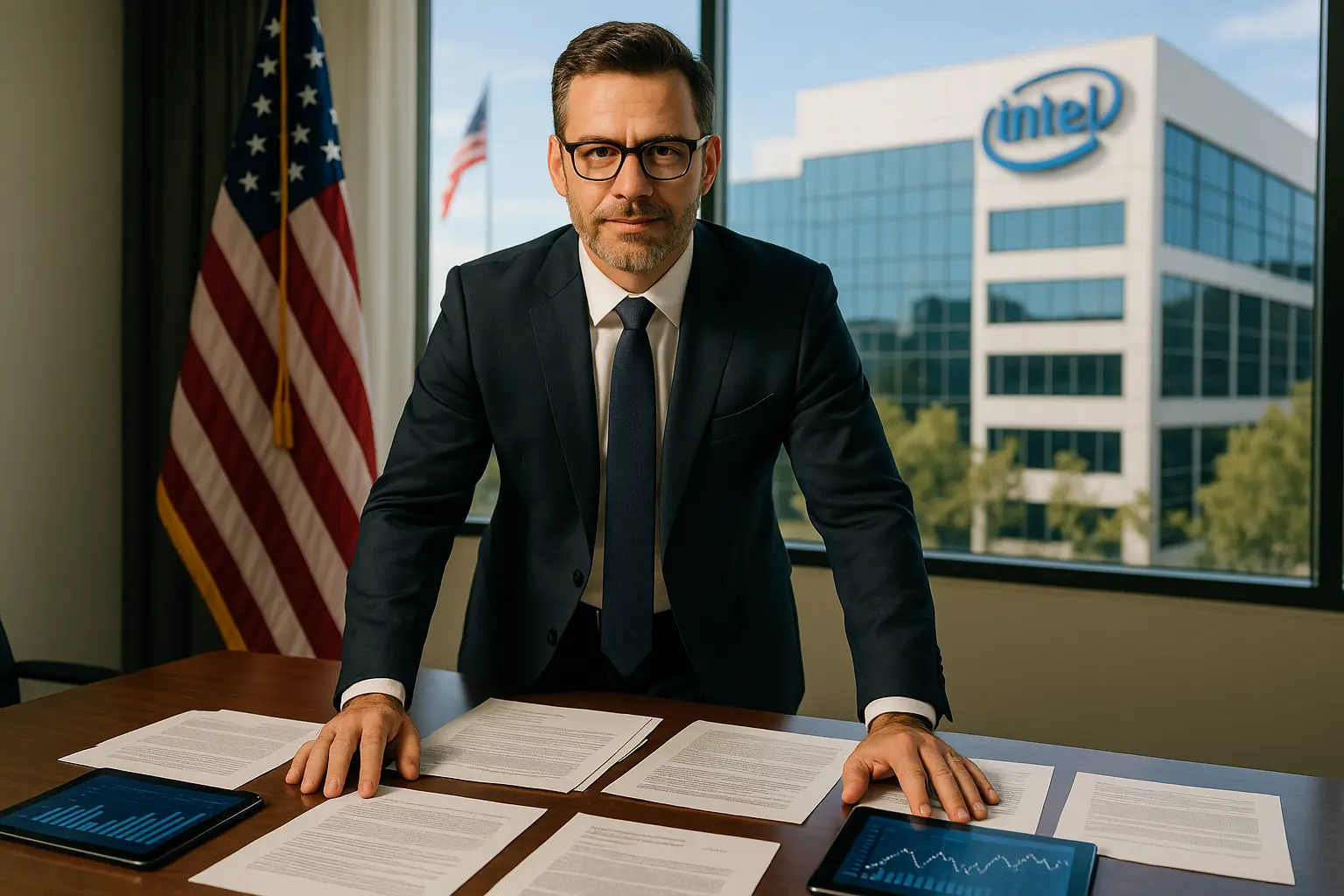
“When you’re negotiating for the future of American industry, why not ask for everything?” quipped Donald J. Trump, reflecting on his high-stakes showdown with Intel’s top brass. Nine months after locking in a historic 10% government stake in the chipmaker, the former President now says-on record-that he “should have asked for more.”
In a bombshell Fortune interview released today, Trump didn’t mince words: “S-, I should have asked for more.” Conservative Americans know one thing: Trump never settles for less than a winning deal. But is this the biggest missed opportunity in the modern U.S. tech renaissance?
With the CHIPS Act now transformed from mere funding into real, hard national assets, the numbers stemming from this deal are jaw-dropping. Since Washington went in as a shareholder, Intel’s stock exploded by over 300%, and high-profile customers like Apple and Elon Musk are lining up for America’s new silicon giant.
“If we hadn’t stepped in, Beijing would’ve been buying up our critical tech, not Indiana or Texas,” declared one Trump administration official familiar with the playbook.
America’s Debt, A Tech Goldmine, and the New World Order
Forget the old playbook. Trump’s hard-charging “America First” stakeout in Intel signals a gutsy new model: turn government power into shareholder muscle. The rationale? With the national debt ballooning to $38 trillion, why not let government collect dividends instead of just writing checks? As even Trump emphasized, “you have to have skin in the game” when national security and generational wealth are in play.
The inside story: Trump’s team reportedly hammered out with Intel CEO Lip-Bu Tan that the U.S. would swap $5.7 billion in CHIPS Act grants and awards for a whopping 10% chunk of the company. Lip-Bu Tan’s response to Trump’s audacious ask-“you have a deal”-was met with instant Trumpian remorse: “S-, I should have asked for more.” (Fortune, 2026-05-18)
Now here’s the twist: Intel’s value is exploding, but analysts warn it may be getting ahead of itself. With a valuation topping $109 per share versus a calculated worth of just $28.19, Intel is now 287% overvalued. As global competitors scramble and chip shortages linger, will American shareholders ultimately cash out big – or face a brutal correction?
“If the Treasury times it right, we could bank tens of billions for taxpayers,” said a financial analyst, cautioning, “but move too fast, and the market tanks.”
Critics-chief among them DC Democrats-have griped about “corporate socializing,” yet red-state social media sees it differently. On X, one poster crowed, “Why should China eat our lunch with their state-owned tech? Trump just flipped that script!”
Silicon Supremacy and A Conservative Blueprint for Future Megadeals
Here’s what’s got the left in a tailspin: semiconductors and AI are the crown jewels in the 21st-century economy, and Team Trump made a bold play to keep America on top. Trump says the US is now “beating China in artificial intelligence by a lot,” attributing the victory to laser-focused investments, tariff wallops, and “ownership interests” in essential industries.
But this is more than just a cash play-it’s a national security stranglehold. Trump told Fortune that if he’d cut an even bigger deal, Intel would “compete with Taiwan Semiconductor” and possibly even dwarf foreign rivals. With billions in government cash flowing into new domestic chip fabs, Intel’s CEO himself credited the White House’s support as “the single most impactful policy of the decade.” (Sada News Agency, 2026-05-18)
There’s bipartisan grumbling in the boardroom, but Musk is on board, Apple is shifting production stateside, and Trump boasts that if he’d had another shot, Intel could have “all its business” and America would “never need Taiwan again.” With the White House driving the agenda, the conservative vision is clear: nationalize the upside, privatize the risk, and put Silicon Valley’s fate back in red-blooded American hands.
If you wanted proof that America-first economics works, look at the scoreboard: Trump’s Intel deal just minted a fresh $50 billion in market value for taxpayers.
Wall Street’s elite may worry about over-exuberance, but heartland voters see something else-finally, Washington is fighting for Main Street, not just Wall Street and Beijing. Texas and Ohio are buzzing as billions pour into local manufacturing, proving that bold Republican deals can spark job growth where globalism once caused job loss.
A Political Reckoning: What Comes Next for Trump and the Conservative Playbook?
2026 is shaping up to be a battleground year for what counts as real economic patriotism. Trump says he’ll keep pushing for bigger, tougher deals-no apologies-and GOP contenders are already promising to double down on equity stakes in strategic industries. Democrats, meanwhile, have gone silent as Intel’s meteoric share price rise makes their naysaying look more and more like sour grapes.
One key advantage? Trump laid out a blueprint for how government can responsibly unwind its equity position without crashing the market-selling “gradually over time” rather than spooking investors with a fire sale. This approach could turn a paper profit into decades of dividends or a strategic warchest for the next global tech challenge. (Sada News Agency, 2026-05-18)
“This just proves what true Republican leadership can deliver-jobs, security, and American-owned innovation,” tweeted a prominent Midwest congressional candidate.
While critics sound alarms about government picking winners, Trump’s answer is simple: “Would you rather Beijing pick ‘em for us?” With Apple and even Elon Musk betting on U.S. chip leadership, the gamble seems to be paying off. And as the July 23 earnings report looms (a likely market earthquake), all eyes are on Washington’s latest Silicon bet.
For conservatives and capitalists alike, Trump’s regret is more than just a missed percentage point. It’s a challenge: In the next round of global economic chess, don’t flinch, don’t fret, and definitely-definitely-don’t ask for too little. MAGA may have missed a trick with Intel, but the America First strategy has never looked stronger, and 2026’s political winds are blowing straight toward bolder innovation and unapologetic dealmaking.